Coverage for veterinary practices
New Jersey Veterinarian Insurance
Running a veterinary practice in New Jersey means juggling clinical excellence, staff management, and a regulatory environment that's stricter (and pricier) than most states. A single malpractice claim, a dog bite in your waiting room, or a data breach exposing client records can threaten everything you've built. The insurance decisions you make today directly shape whether your practice survives those moments or gets buried by them.
New Jersey has specific compliance mandates that catch practice owners off guard, especially those relocating from other states or opening their first clinic. Workers' comp costs here are significantly higher than the national average, and the state's consumer protection laws around veterinary care continue to tighten. Whether you run a small companion-animal clinic in Cherry Hill or a multi-vet equine hospital in Hunterdon County, understanding your insurance obligations isn't optional: it's the foundation of staying in business.
This guide breaks down the coverage types NJ veterinary practices actually need, what drives your costs up or down, and where compliance gaps tend to show up. If you've been putting off an insurance review, now's the time.
Essential Insurance Coverages for New Jersey Veterinarians
Every veterinary operation in New Jersey needs a layered insurance program. A single policy won't cover the range of risks you face daily: from surgical complications to slip-and-fall injuries in your parking lot. The trick is understanding which coverages overlap, which ones fill gaps, and which ones the state requires you to carry.
Most practice owners start with professional liability and general liability, and that's the right instinct. But stopping there leaves significant exposure. Animal bailee coverage, business interruption, and cyber liability have all become essential for modern NJ practices. The veterinary liability insurance landscape has grown more complex as practices expand into boarding, grooming, rehabilitation, and telemedicine.
Professional Liability and Malpractice Insurance
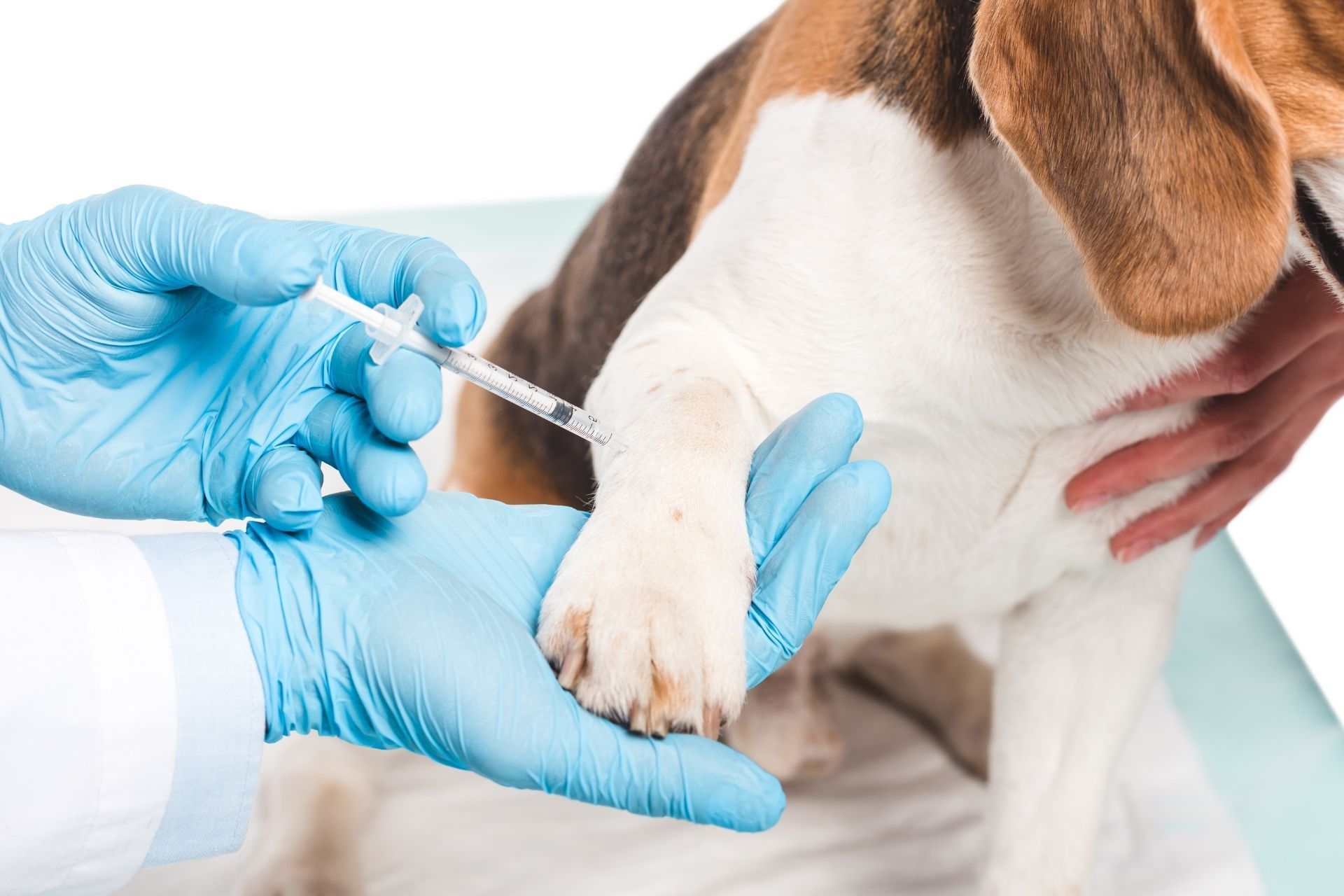
Professional liability, often called malpractice or errors and omissions coverage, protects you when a client alleges that your medical judgment caused harm to their animal. This includes misdiagnosis, surgical errors, medication mistakes, and failure to diagnose a condition. In New Jersey, where pet owners increasingly view their animals as family members, malpractice claims have grown both in frequency and in the dollar amounts demanded.
A typical professional liability policy for a solo NJ veterinarian carries limits between $1 million per occurrence and $3 million aggregate. Multi-doctor practices or those performing orthopedic surgery, oncology, or emergency medicine should consider higher limits. One claim involving a botched TPLO surgery on a high-value dog can easily exceed $100,000 when you factor in legal defense costs, even if the outcome favors you.
General Liability vs. Professional Liability Comparison
These two coverages get confused constantly, but they protect against very different risks. Here's a quick breakdown:
| Feature | General Liability (GL) | Professional Liability (PL) |
|---|---|---|
| What it covers | Bodily injury, property damage on premises | Errors in professional veterinary services |
| Example claim | Client trips over a leash in the lobby | Vet prescribes wrong medication dosage |
| Who's covered | Business, employees, visitors | Licensed veterinarians, vet techs |
| Typical limits | $1M/$2M | $1M/$3M |
| Required by NJ? | Not mandated, but landlords often require it | Not state-mandated, but practically essential |
You need both. A general liability policy won't respond to a malpractice allegation, and professional liability won't cover a client who slips on a wet floor. Agencies like Pet Professional Insurance that specialize in veterinary operations can bundle these together through specialty markets, which often saves money compared to buying them separately.
Animal Bailee Coverage for Boarding and Grooming
If your practice boards animals overnight, offers grooming, or even holds pets for extended post-surgical observation, you need animal bailee coverage. This protects you when an animal in your care, custody, or control is injured, becomes ill, or escapes. Standard general liability policies typically exclude animals you're being paid to watch.
A common scenario: a boarding dog chews through a kennel latch overnight, escapes, and gets hit by a car. Without bailee coverage, you're personally responsible for the animal's value and any veterinary bills. In NJ, where some purebred dogs are valued at $5,000 or more, this exposure adds up fast.
New Jersey State Mandates and Compliance Requirements
New Jersey regulates veterinary practices through the State Board of Veterinary Medical Examiners, which sets licensing, facility, and record-keeping standards. The state has also been active legislatively: recent bills have addressed pet insurance consumer protections, with new compliance mandates expected by 2027. Staying current with these changes is part of running a compliant practice.
That said, insurance requirements in NJ are a mix of state mandates and practical necessities. Some coverages are legally required. Others aren't technically mandatory but would be reckless to skip.

Workers' Compensation Laws for NJ Clinics
Here's where New Jersey hits hard. The state requires workers' compensation insurance for virtually all employers, with very few exceptions. If you have even one W-2 employee: a receptionist, a kennel assistant, a vet tech: you need a policy.
What makes NJ particularly expensive is that workers' compensation rates run approximately 92% higher than the national median. For veterinary practices, where employees regularly handle fractious animals, lift heavy patients, and work with sharps and anesthesia, the classification codes carry elevated risk ratings. A five-person vet clinic in New Jersey can easily pay $8,000 to $15,000 annually for workers' comp, depending on payroll and claims history.
Failing to carry coverage isn't just a fine: it's a criminal offense in NJ. The state actively audits employers, and penalties include stop-work orders and personal liability for the practice owner.
Commercial Auto Insurance for Mobile Vets
Mobile veterinary practices have exploded in popularity across New Jersey, particularly in suburban and rural areas. If you or your staff drive a vehicle for business purposes: house calls, farm visits, transporting lab samples: you need commercial auto insurance. Personal auto policies exclude business use, and a serious accident during a farm call could leave you completely uninsured.
NJ requires minimum auto liability limits of 15/30/15, but those minimums are dangerously low for a business vehicle carrying medical equipment worth $50,000 or more. Most agents recommend at least $500,000 in combined single-limit coverage, with hired and non-owned auto added if employees ever use their personal cars for work errands.
Factors Influencing Insurance Costs in the Garden State
Insurance costs for NJ veterinary operations vary dramatically. A solo small-animal practitioner in a leased space might pay $4,000 to $7,000 annually for a basic package, while a multi-vet emergency hospital with boarding could exceed $30,000. Understanding what drives those numbers helps you control them.
Practice Size and Specialized Services Impact
The biggest cost drivers are straightforward: how many vets you employ, what services you offer, and how much revenue you generate. Emergency and critical care practices pay more than wellness-only clinics because the procedures carry higher risk. Exotic animal practices see elevated premiums too, since treating reptiles and birds involves less standardized protocols and more unpredictable outcomes.
Boarding and grooming services added to a veterinary practice can increase premiums by 15% to 30% because they introduce animal bailee exposure and increase foot traffic. Practices offering rehabilitation, acupuncture, or laser therapy may need riders or endorsements that standard policies don't include.
Claims History and Risk Management Strategies
Your claims history is the single most powerful factor in your renewal pricing. A practice with two malpractice claims in three years will pay substantially more than a clean operation. Some specialty markets won't even offer terms to practices with recent frequency.
Practical risk management steps that actually reduce premiums over time:
- Document informed consent for every procedure, including routine dentals
- Maintain detailed medical records with timestamps
- Train staff on proper animal handling and restraint techniques
- Install security cameras in treatment and boarding areas
- Conduct regular safety audits of your facility
Working with an agency that understands veterinary risk, like Pet Professional Insurance, means your risk management efforts get communicated to underwriters in a way that translates into real premium credits.
Protecting Your Facility and Specialized Equipment
Commercial Property and Business Interruption
Veterinary equipment is expensive. Digital radiography systems, ultrasound machines, anesthesia units, and surgical instruments can represent $200,000 to $500,000 in assets for a mid-size practice. A fire, flood, or severe storm can destroy all of it overnight.
Commercial property insurance covers the physical structure (if you own it), your equipment, inventory, and tenant improvements. Business interruption coverage, which is typically added as an endorsement, replaces lost income while you rebuild or relocate. In NJ, where nor'easters and coastal flooding remain real threats, business interruption coverage isn't a luxury.
Make sure your policy covers equipment breakdown separately. A compressor failure on your anesthesia machine or a power surge that fries your digital X-ray sensor won't be covered under a standard property policy without this endorsement.
Cyber Liability for Patient Records
Veterinary practices store sensitive client data: credit card numbers, addresses, and increasingly, digital health records linked to pet insurance claims. The veterinary cybersecurity market has grown rapidly as practices digitize records and adopt cloud-based practice management software.
A data breach at a New Jersey veterinary clinic triggers notification obligations under the NJ Identity Theft Prevention Act. You're required to notify affected individuals, and the costs of forensic investigation, legal counsel, notification, and credit monitoring add up to $50,000 or more even for a small breach. Cyber liability policies cover these costs and provide access to breach response teams that handle the process for you.
Frequently Asked Questions About NJ Vet Insurance
Does New Jersey require veterinarians to carry malpractice insurance? No state mandate exists for professional liability, but operating without it is extremely risky. Most hospital affiliations and some landlords require proof of coverage.
How much does a typical insurance package cost for an NJ vet clinic? A solo small-animal practice usually pays between $4,000 and $8,000 annually for GL, PL, and property coverage. Workers' comp and other policies add to that total.
Can I use my personal auto insurance for house calls? No. Personal auto policies exclude business use. You need a commercial auto policy or at minimum a hired and non-owned auto endorsement.
What happens if I don't carry workers' comp in New Jersey? It's a criminal offense. You face fines, stop-work orders, and personal liability for any employee injuries. NJ workers' comp requirements apply to nearly all employers.
Do I need separate coverage for boarding animals at my clinic? Yes. Standard GL policies typically exclude animals in your care, custody, or control. Animal bailee coverage fills that gap.
Is cyber insurance really necessary for a vet practice? If you store any client payment data or digital records, yes. NJ breach notification laws create real financial exposure even for small practices.
Making the Right Choice for Your Practice
Getting veterinarian insurance right in New Jersey requires more than checking boxes. The state's regulatory environment is aggressive, costs run higher than most of the country, and the risks specific to veterinary medicine don't fit neatly into generic business insurance policies.
Start by auditing your current coverage against the categories outlined here. Look for gaps in bailee coverage, cyber liability, and equipment breakdown. Review your workers' comp classification codes to make sure they accurately reflect what your employees actually do: misclassification is one of the most common (and costly) errors we see.
If you're shopping for coverage or due for a renewal, work with an agency that specializes in veterinary and pet-care operations. Pet Professional Insurance offers intake forms tailored specifically to vet practices and access to multiple specialty markets, with most clients hearing back within 24 to 48 hours. That kind of turnaround matters when your renewal is approaching and you need real answers, not a generic call-center script.
Index
Pet Professional Insurance Agency is fully licensed and permitted to provide commercial insurance solutions for pet businesses across 12 states.
We proudly serve pet professionals throughout the Northeast, Mid-Atlantic, and Southeast. Powered by Joyce Insurance Agency, our team works with leading specialty carriers — including The Hartford, USLI, Nautilus, and Northland — to make sure veterinarians, groomers, boarding facilities, and pet-care businesses receive coverage that fits their real risks in Connecticut, Delaware, Georgia, Kentucky, Massachusetts, New Jersey, New York, North Carolina, Pennsylvania, South Carolina, Tennessee, and Virginia.
About the author
Barnaby Joyce
Founder, Pet Professional Insurance Agency · Licensed Insurance Producer
I started Pet Professional Insurance Agency because I watched pet businesses get handed generic policies that never fit. After years of placing coverage for veterinary practices, grooming salons, doggy daycares, and kennels through a generalist agency, I saw the same gaps over and over — and the same blank stares when an owner tried to explain care, custody, and control to an agent who had never insured an animal in their life.
So I built an agency that does one thing. I work directly with specialty carriers who actually want pet-industry risk, and I sit down with every client personally. You will not get a call center or a chatbot. You will get someone who already speaks your language and shops the market on your behalf. That is the whole idea.
Recommended coverages
Coverages that pair with general liability.
Most pet businesses build on general liability with the lines below. Explore each — every page cross-links to the
industries we serve.
Services & advice
Professional Liability / E&O
Covers claims tied to your professional services and advice — clinical care, training guidance, and the judgment calls you make daily.
The pet-industry gap
Care, Custody & Control
Covers the animals in your charge against injury, illness, or loss — the critical exposure standard liability policies leave out.
Bundled & cost-effective
Business Owners Policy (BOP)
Bundles property and general liability into one package built for small to mid-sized pet businesses — often the simplest base.
Your building & contents
Commercial Property
Protects your building, build-out, equipment, and inventory against fire, theft, and covered losses — front desk to back room.
For your team
Workers’ Compensation
Covers medical costs and lost wages when a team member is hurt on the job — required in most states once you have employees.
Extra protection
Commercial Umbrella
Adds liability limits above your primary policies for catastrophic claims that exceed standard coverage.
Coverage availability and terms vary by carrier and state. We recommend the right mix for your operation once we talk.
Industries we serve
Built for the businesses that care for animals.
General liability is the baseline for every segment we specialize in. Find the page built for your business.
Clinical · high exposure
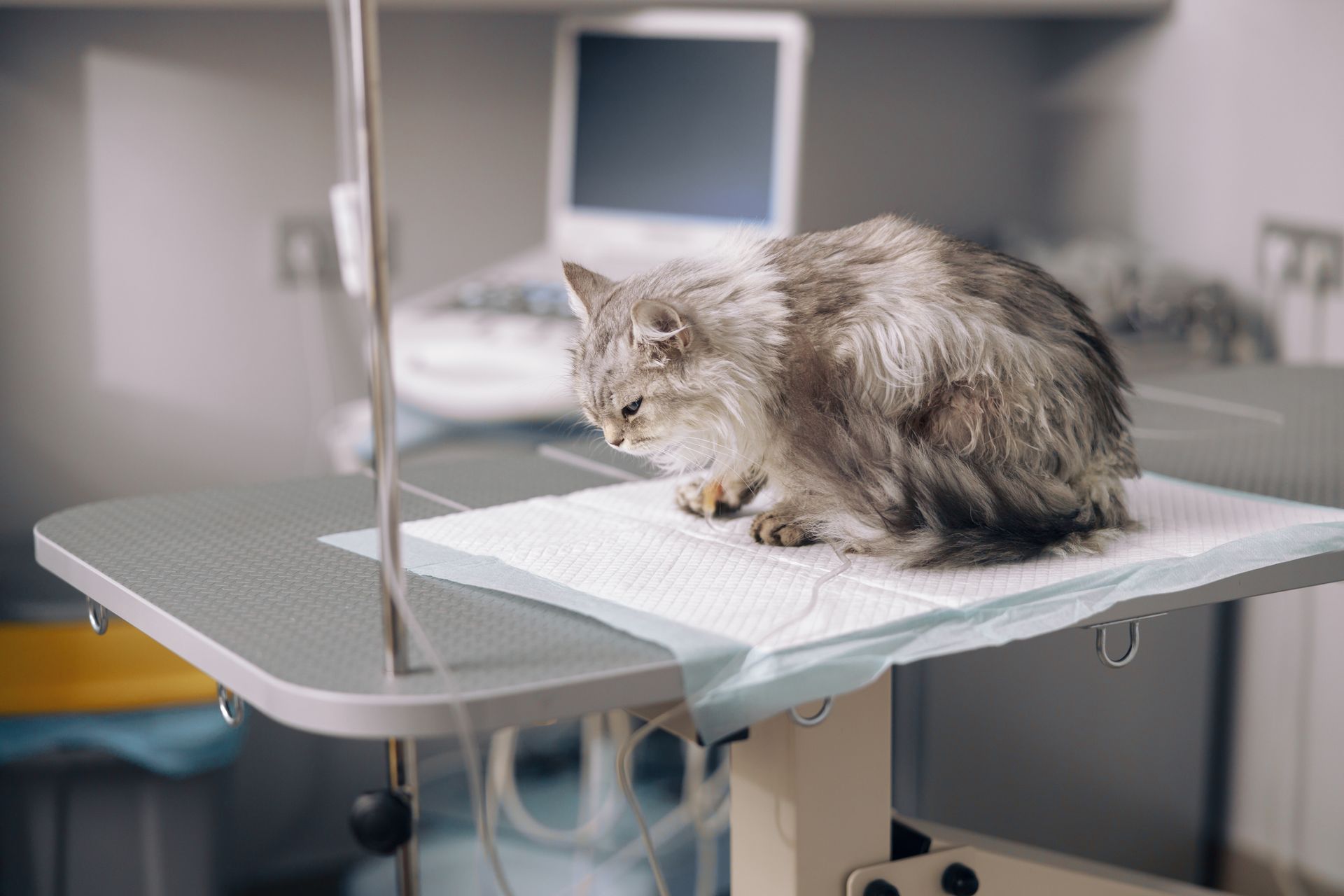
Veterinarians & Animal Hospitals
Professional and general liability, property, and workers’ comp for clinical operators with high exposure.
Hands-on · small business
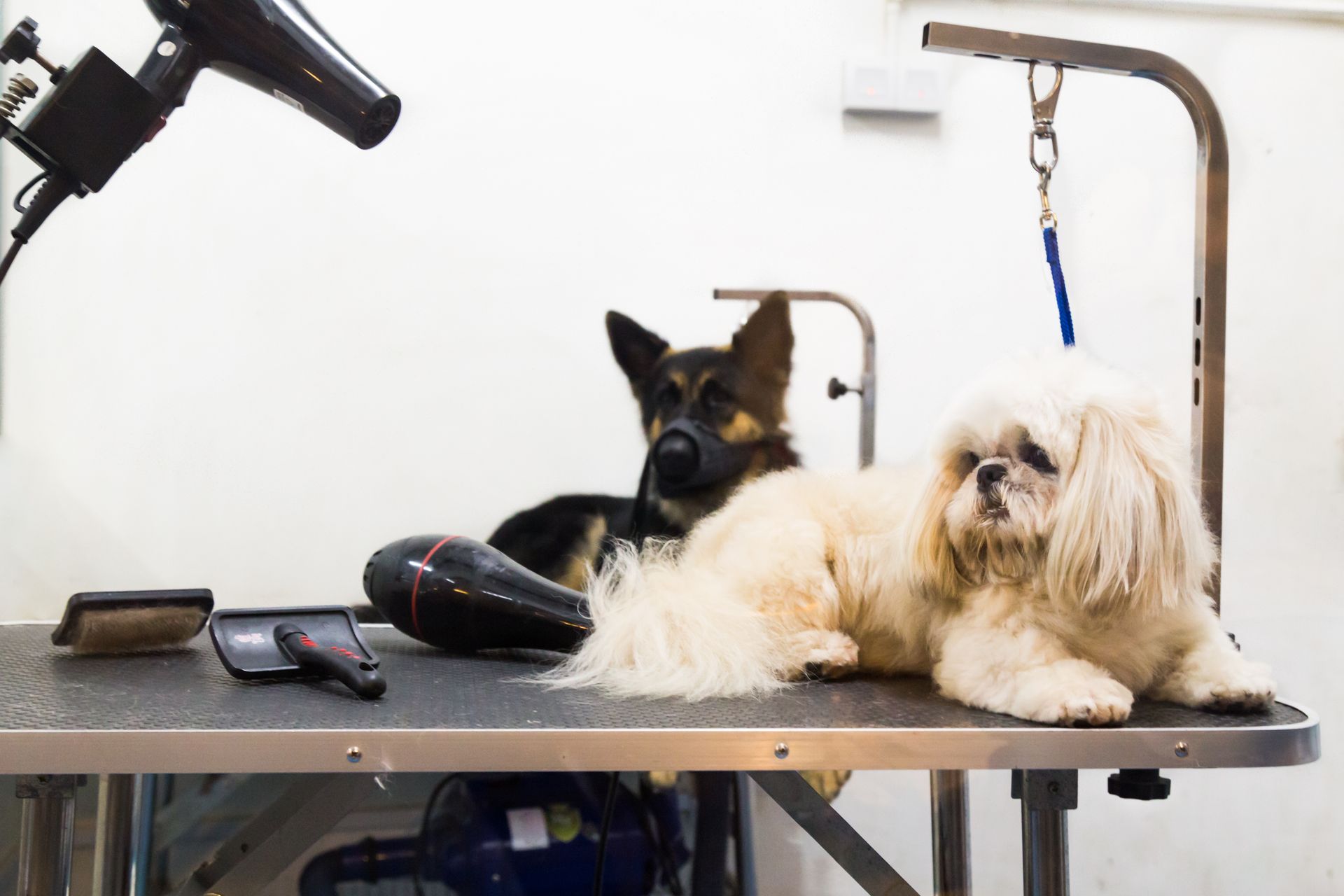
Pet Groomers
Practical protection for animal handling, equipment, and the day-to-day of the grooming table, shop or mobile.

Safety-forward · overnight
Doggy Daycare & Boarding
Coverage matched to facilities responsible for animals overnight and all day long.
Our reviews
Trusted by pet professionals.
See what owners say about working with a specialist who already understands their business.
Frequently asked
Questions pet pros ask us.
What kinds of pet businesses do you insure?
We insure businesses across the animal-care industry — veterinarians and animal hospitals, groomers, doggy daycares and boarding facilities, kennels and trainers, pet sitters and dog walkers, and pet stores. We also cover breeders, equine operations, pet transporters, shelters and rescues, pet photographers, and aquariums or wildlife facilities.
If your work involves caring for, handling, or selling animals, there is a strong chance we cover it. Tell us what you do and we will confirm.
What is care, custody, and control coverage, and why does it matter?
Care, custody, and control coverage protects you when an animal in your charge is injured, becomes ill, or is lost while in your care. Standard general liability policies often exclude this exact exposure, which leaves a serious gap for pet businesses.
For groomers, boarders, sitters, and clinics, this is one of the most important coverages you can carry. We make sure it is in place and sized to your operation.
How is an independent agency different from buying direct from a carrier?
A direct carrier sells you its own single policy. As an independent agency, we shop multiple specialty insurers and compare programs to find the coverage that fits your business and budget.
That means you get options instead of one quote, and an advocate who works for you, not the carrier. We also handle the renewals and claims support over the life of your policy.
How fast can I get a quote?
Most clients get quoted within one business day. Our industry-specific intake forms collect the right details up front, so we can take your information straight to the carriers without a long back-and-forth.
Need it sooner? Call a specialist directly at (346) 738-7297 and we will move quickly.
Which states do you serve?
We are licensed and actively writing coverage in 12 states: Connecticut, Delaware, Georgia, Kentucky, Massachusetts, New Jersey, New York, North Carolina, Pennsylvania, South Carolina, Tennessee, and Virginia.
We continue to add states as we grow. If you operate outside this list, reach out and we will let you know our latest footprint.
From the blog
Coverage notes for pet professionals.
Plain-language risk tips and coverage explainers, written for owners — not insurance pros.

Speak with a specialist
Let's find the right coverage for your business.
No quote bots, no funnel. Talk to a real pet-insurance specialist who already understands your operation — and shops multiple markets on your behalf.
Call us
(346) 738-7297
Toll-free 845-250-5366
Email
service@petindustryins.com
Visit Us
8 Joyce Plaza
Stony Point, NY 10980