Equine insurance isn't a luxury. It's the foundation that lets you operate without one bad day destroying everything you've built. The claims are real, the dollar amounts are significant, and the gaps in standard policies are wide enough to sink a business.
Know what you're covering: your own horses, your clients' horses, your physical premises, and your liability to third parties. Match your limits to your actual exposure, not to whatever feels comfortable on a monthly premium. And work with an agency that specializes in animal-related businesses, because the details in equine coverage matter more than in almost any other niche.
Running a horse operation in New York comes with a unique set of risks that most general business policies were never designed to cover. A spooked horse injures a trail rider. A boarded mare colics overnight and needs emergency surgery. A farrier trips over loose equipment in your barn aisle. Each of these scenarios can generate five- or six-figure claims, and without the right insurance structure, the financial exposure falls squarely on you.
New York's regulatory environment adds another layer of complexity. The state has specific statutes governing equine activity liability, strict workers' compensation mandates, and evolving consumer protection rules that affect how insurance products are sold and administered. Whether you run a boarding stable in Saratoga County, a lesson barn on Long Island, or a breeding operation in the Hudson Valley, understanding equine insurance coverage requirements, costs, and compliance obligations is essential to protecting your livelihood. Here's what you actually need to know.
Understanding Equine Insurance Needs in New York State
New York's equine industry is substantial. The state legislature has even considered establishing a dedicated equine industry board to support the sector's economic contributions. With that scale comes real risk exposure. Stables, training facilities, and breeding operations face liability claims from riders, boarders, employees, and even trespassers.
The insurance needs of an equine operation differ sharply from a standard farm or pet-care business. Horses are high-value animals with unpredictable behavior. Activities like jumping, trail riding, and breeding carry inherent physical danger. A single liability claim from a rider fall can exceed $500,000 when medical bills and legal fees are factored in.
Your insurance program needs to account for the animals in your care, the people on your property, the employees handling those animals, and the specific activities you offer. Getting one of those wrong can leave a catastrophic gap.
The New York Equine Activity Liability Act Explained
New York's Equine Activity Liability Act provides some protection for stable operators, but it's narrower than many owners assume. The law limits liability for injuries resulting from the inherent risks of equine activities, things like a horse bucking, kicking, or bolting that are simply part of working around horses.
Here's the catch: the protection only applies if you post specific warning signs and, in many cases, include written assumption-of-risk language in your contracts. Miss either requirement, and the liability shield evaporates. The statute also doesn't cover injuries caused by your negligence, such as faulty equipment, inadequate supervision, or unsafe premises conditions.
Relying solely on this statute without carrying adequate liability insurance is a mistake I've seen operators make repeatedly. The law reduces your exposure; it doesn't eliminate it.
Mandatory vs. Optional Coverage for Stable Owners
Some coverages are legally required in New York. Workers' compensation is the big one: if you have even one employee, you must carry it (more on that below). Beyond that, most equine-specific coverages are technically optional but practically essential.
- General liability: not mandated by state law, but virtually every landlord, event venue, and equine association requires it
- Care, custody, and control: optional, but critical if you board, train, or transport horses belonging to others
- Property coverage: optional, though losing a barn without it can end your business overnight
- Equine mortality: optional, but often required by lenders or investors on high-value animals
The distinction between "required" and "necessary" matters. You won't get fined for skipping general liability, but you also won't be able to host shows, lease property, or attract boarders without it.
Core Coverage Types for NY Equine Operations
A properly structured equine insurance program typically combines several policy types. No single policy covers everything, and misunderstanding what each one does is where most coverage gaps originate.
Commercial General Liability and Care, Custody, or Control
Commercial general liability (CGL) is your foundational policy. It covers bodily injury and property damage claims from third parties: a visitor who gets kicked, a spectator who slips on ice in your parking area, or a student who falls during a lesson. Standard CGL limits for equine operations in New York typically start at $1 million per occurrence and $2 million aggregate.
The critical nuance is care, custody, and control (CCC) coverage. Standard CGL policies exclude damage to property in your care, which means if a boarded horse is injured or dies due to your negligence, your general liability policy won't pay. CCC coverage fills that gap. For operations boarding 10 or more horses, this isn't optional in any practical sense. Pet Professional Insurance Agency works with specialty markets that understand these distinctions and can structure CCC limits appropriate to your operation's actual exposure.
Equine Mortality and Major Medical Policies
Mortality insurance pays the insured value of a horse if it dies or must be euthanized due to illness, injury, or accident. Major medical coverage handles veterinary bills for covered conditions, typically with per-incident and annual caps. Experts recommend reviewing your horse insurance annually to ensure values and coverage terms still match reality.
Mortality premiums generally run 3% to 5% of the horse's insured value. A horse insured for $50,000 might cost $1,500 to $2,500 per year to cover. Major medical add-ons increase that by another 1% to 2.5%. These policies often exclude pre-existing conditions and may require veterinary exams for horses over a certain age.
Comparison of Standard Coverage vs. Specialized Endorsements
Not all equine policies are created equal. Here's how standard coverage stacks up against specialized endorsements you might need:
| Coverage Area | Standard Policy | Specialized Endorsement |
|---|---|---|
| Rider Injury | Covered under CGL | Participant accident medical payments (no-fault) |
| Boarded Horse Injury | Excluded from CGL | Care, custody, and control endorsement |
| Tack & Equipment | Limited or excluded | Inland marine / scheduled equipment |
| Horse Transport | Excluded | Livestock transit endorsement |
| Breeding Liability | Excluded | Stallion/mare breeding liability |
| Event/Show Hosting | May require separate policy | Special event endorsement |
| Employee Injury | Excluded from CGL | Workers' compensation (separate policy) |
The takeaway: a standard CGL policy leaves significant gaps for most working equine operations. You need endorsements or separate policies tailored to your specific activities.
Factors Influencing Insurance Costs in New York
Insurance pricing for equine operations in New York varies widely. A small lesson barn might pay $1,200 to $2,500 annually for general liability, while a large boarding and training facility could see premiums of $5,000 to $15,000 or more depending on scope.
Location Impact: Upstate vs. Downstate Premiums
Geography matters more than most operators expect. Downstate operations, particularly on Long Island and in Westchester County, typically face higher premiums than upstate facilities. The reasons are straightforward: higher property values increase replacement costs, litigation costs trend higher in the New York City metropolitan court system, and land constraints often mean facilities operate in closer proximity to residential areas, increasing the chance of third-party claims.
An operation in Dutchess County might pay 15% to 25% less for comparable coverage than a similar facility in Suffolk County. That said, upstate operations near tourist corridors or with significant trail riding programs may see their own risk surcharges.
Revenue, Boarder Volume, and Risk Assessment
Underwriters look closely at several operational factors when pricing equine coverage for NY operations:
- Annual revenue and number of horses on premises
- Types of activities offered (lessons, trail rides, breeding, shows)
- Number of boarders and whether self-care or full-care
- Claims history over the past three to five years
- Safety protocols, including helmet requirements and signed waivers
- Condition of facilities, fencing, and footing
A facility offering beginner lessons with 10 school horses will price very differently from one hosting competitive eventing with 40 privately owned horses. Insurers reward documented safety programs, so maintaining written protocols and incident logs can meaningfully reduce your premiums over time.
Compliance and Workers' Compensation Requirements
New York has some of the strictest workers' compensation requirements in the country. Every employer, regardless of size, must carry workers' compensation insurance for their employees. This includes part-time workers, seasonal help, and working students who receive any form of compensation.
Failing to carry workers' comp in New York is a criminal offense. Penalties include fines of $2,000 per 10-day period of non-compliance and potential jail time for repeat violations. The state actively audits agricultural and equine operations.
New York's evolving consumer protection rules also affect insurance compliance. The 2026 amendments to the state's fair business practices framework expand enforcement authority, and insurers operating in the state are adapting their policy language and disclosure requirements accordingly. The Fair Business Practices Act's final provisions clarify what constitutes deceptive practices in commercial transactions, which has downstream effects on how equine insurance policies are marketed and sold.
This is an area where working with an agency that understands both the insurance and regulatory sides pays off. Pet Professional Insurance Agency's team handles equine and other animal-care operations daily and can flag compliance issues before they become problems.
Note: laws and regulations vary and change frequently. Consult a qualified attorney for advice specific to your situation.
Common Questions About NY Horse Insurance
Does New York require equine businesses to carry liability insurance? No state statute mandates general liability for equine operations, but most lease agreements, equine associations, and event organizers require proof of coverage. Practically speaking, you can't operate without it.
What does care, custody, and control coverage actually protect? It covers your financial responsibility if a horse owned by someone else is injured, becomes ill, or dies while in your care. Standard general liability excludes this entirely.
How much does general liability cost for a small lesson barn in New York? Expect $1,200 to $3,000 annually for a small operation with 5 to 15 horses and basic lesson programs. Premiums increase with revenue, horse count, and higher-risk activities.
Are working students considered employees for workers' comp purposes? In most cases, yes. If a working student receives any compensation, including free lessons, board, or housing, New York may classify them as an employee requiring workers' comp coverage.
Can I bundle equine insurance with my farm or homeowners policy? Sometimes, but it's usually a bad idea. Farm policies rarely include adequate CCC coverage, participant liability, or activity-specific endorsements. A standalone equine program provides better protection.
Do I need separate coverage for hosting shows or clinics? Often, yes. Many CGL policies exclude or limit coverage for organized events. A special event endorsement or separate event policy is typically required.
Making the Right Choice for Your Stable
Getting equine insurance right in New York means going beyond a generic liability policy. You need coverage that matches your actual operations: the horses you board, the activities you offer, the people who walk onto your property, and the employees who keep things running.
Start by documenting exactly what your operation does. Then work with an agency that specializes in animal-care businesses and has access to multiple specialty insurance markets. Pet Professional Insurance Agency provides tailored intake forms for equine operations and typically responds within 24 to 48 hours, so you're not waiting weeks for answers.
Index
Pet Professional Insurance Agency is fully licensed and permitted to provide commercial insurance solutions for pet businesses across 12 states.
We proudly serve pet professionals throughout the Northeast, Mid-Atlantic, and Southeast. Powered by Joyce Insurance Agency, our team works with leading specialty carriers — including The Hartford, USLI, Nautilus, and Northland — to make sure veterinarians, groomers, boarding facilities, and pet-care businesses receive coverage that fits their real risks in Connecticut, Delaware, Georgia, Kentucky, Massachusetts, New Jersey, New York, North Carolina, Pennsylvania, South Carolina, Tennessee, and Virginia.
About the author
Barnaby Joyce
Founder, Pet Professional Insurance Agency · Licensed Insurance Producer
I started Pet Professional Insurance Agency because I watched pet businesses get handed generic policies that never fit. After years of placing coverage for veterinary practices, grooming salons, doggy daycares, and kennels through a generalist agency, I saw the same gaps over and over — and the same blank stares when an owner tried to explain care, custody, and control to an agent who had never insured an animal in their life.
So I built an agency that does one thing. I work directly with specialty carriers who actually want pet-industry risk, and I sit down with every client personally. You will not get a call center or a chatbot. You will get someone who already speaks your language and shops the market on your behalf. That is the whole idea.
Recommended coverages
Coverages that pair with general liability.
Most pet businesses build on general liability with the lines below. Explore each — every page cross-links to the
industries we serve.
Services & advice
Professional Liability / E&O
Covers claims tied to your professional services and advice — clinical care, training guidance, and the judgment calls you make daily.
The pet-industry gap
Care, Custody & Control
Covers the animals in your charge against injury, illness, or loss — the critical exposure standard liability policies leave out.
Bundled & cost-effective
Business Owners Policy (BOP)
Bundles property and general liability into one package built for small to mid-sized pet businesses — often the simplest base.
Your building & contents
Commercial Property
Protects your building, build-out, equipment, and inventory against fire, theft, and covered losses — front desk to back room.
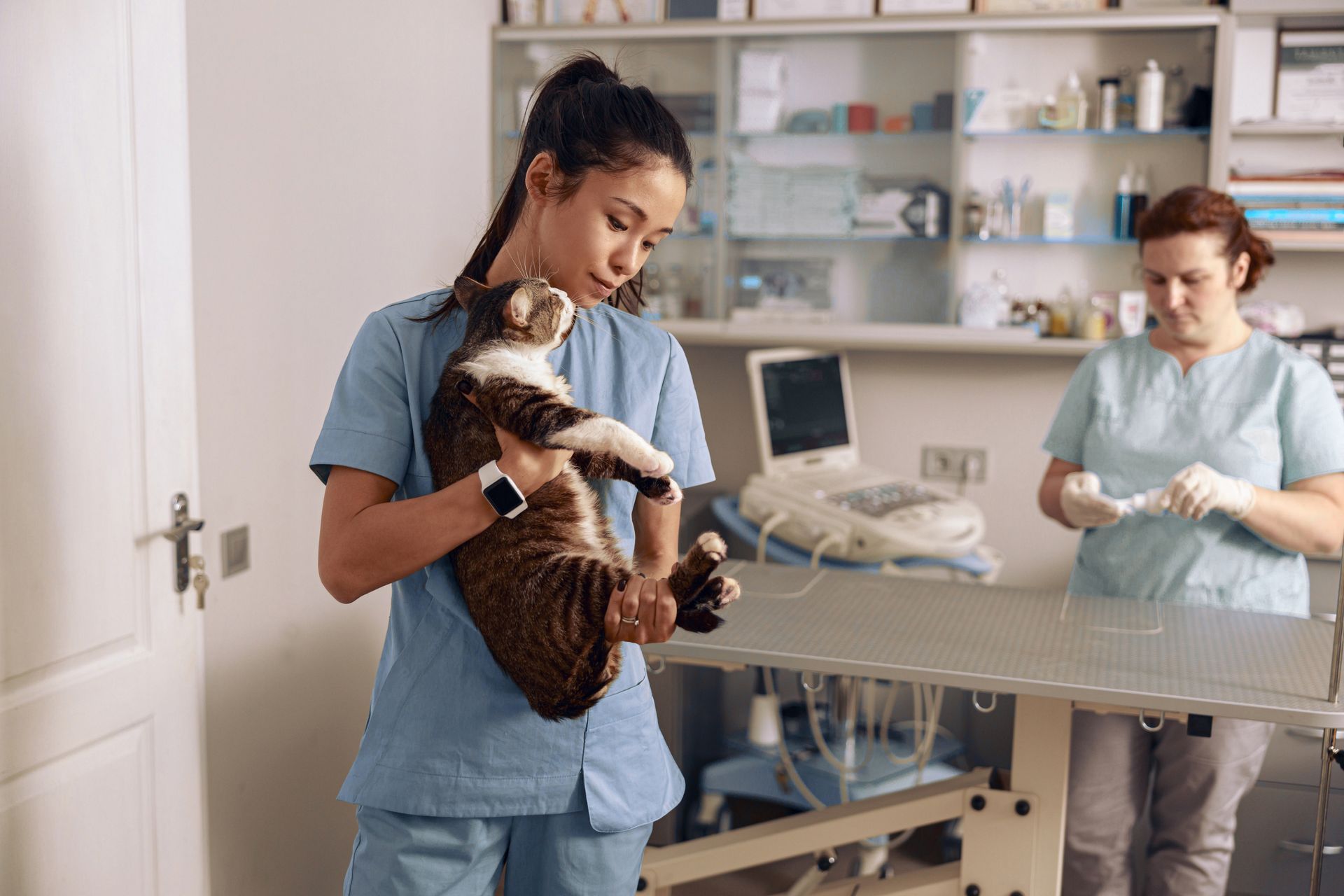
For your team
Workers’ Compensation
Covers medical costs and lost wages when a team member is hurt on the job — required in most states once you have employees.
Extra protection
Commercial Umbrella
Adds liability limits above your primary policies for catastrophic claims that exceed standard coverage.
Coverage availability and terms vary by carrier and state. We recommend the right mix for your operation once we talk.
Industries we serve
Built for the businesses that care for animals.
General liability is the baseline for every segment we specialize in. Find the page built for your business.
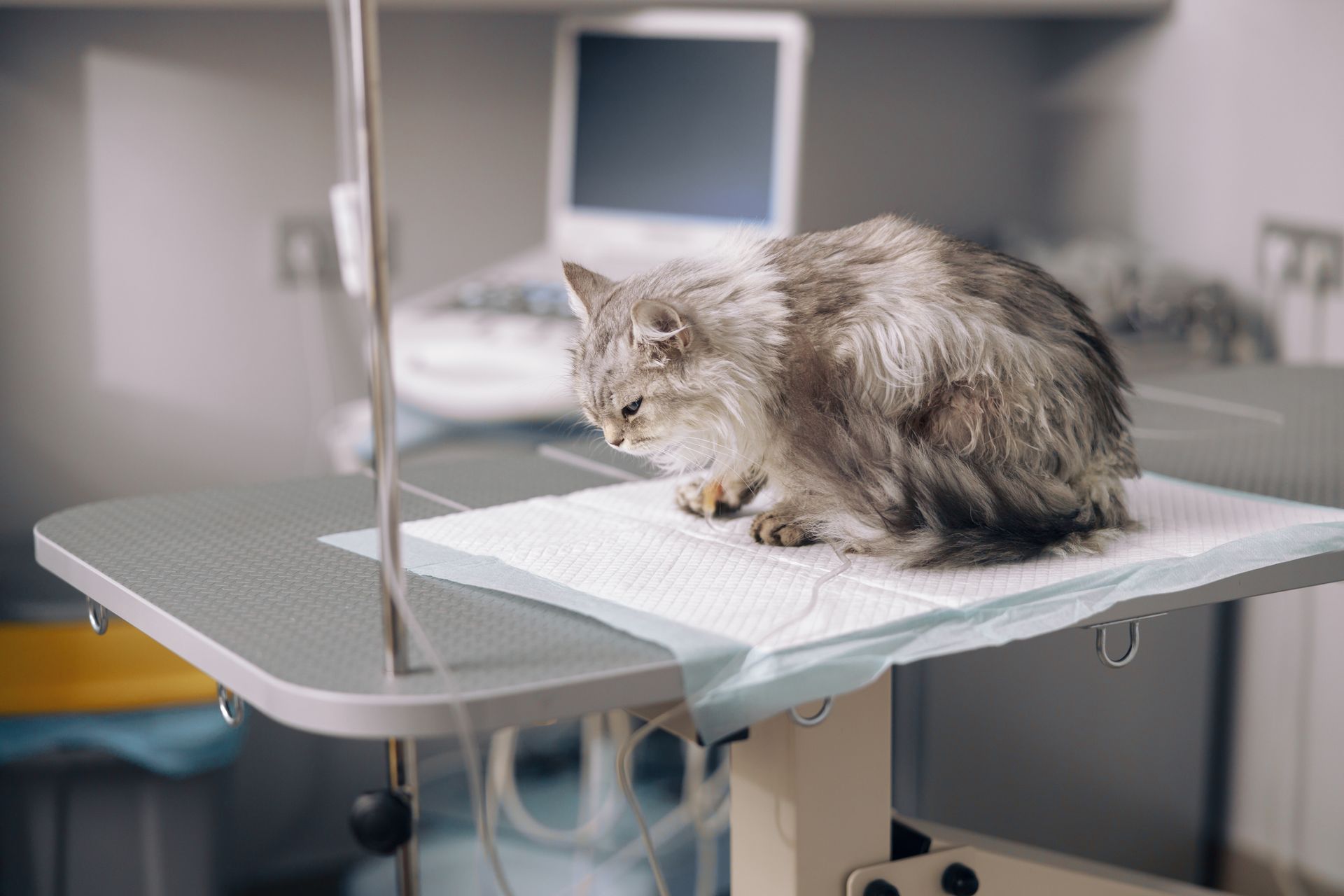
Clinical · high exposure
Veterinarians & Animal Hospitals
Professional and general liability, property, and workers’ comp for clinical operators with high exposure.
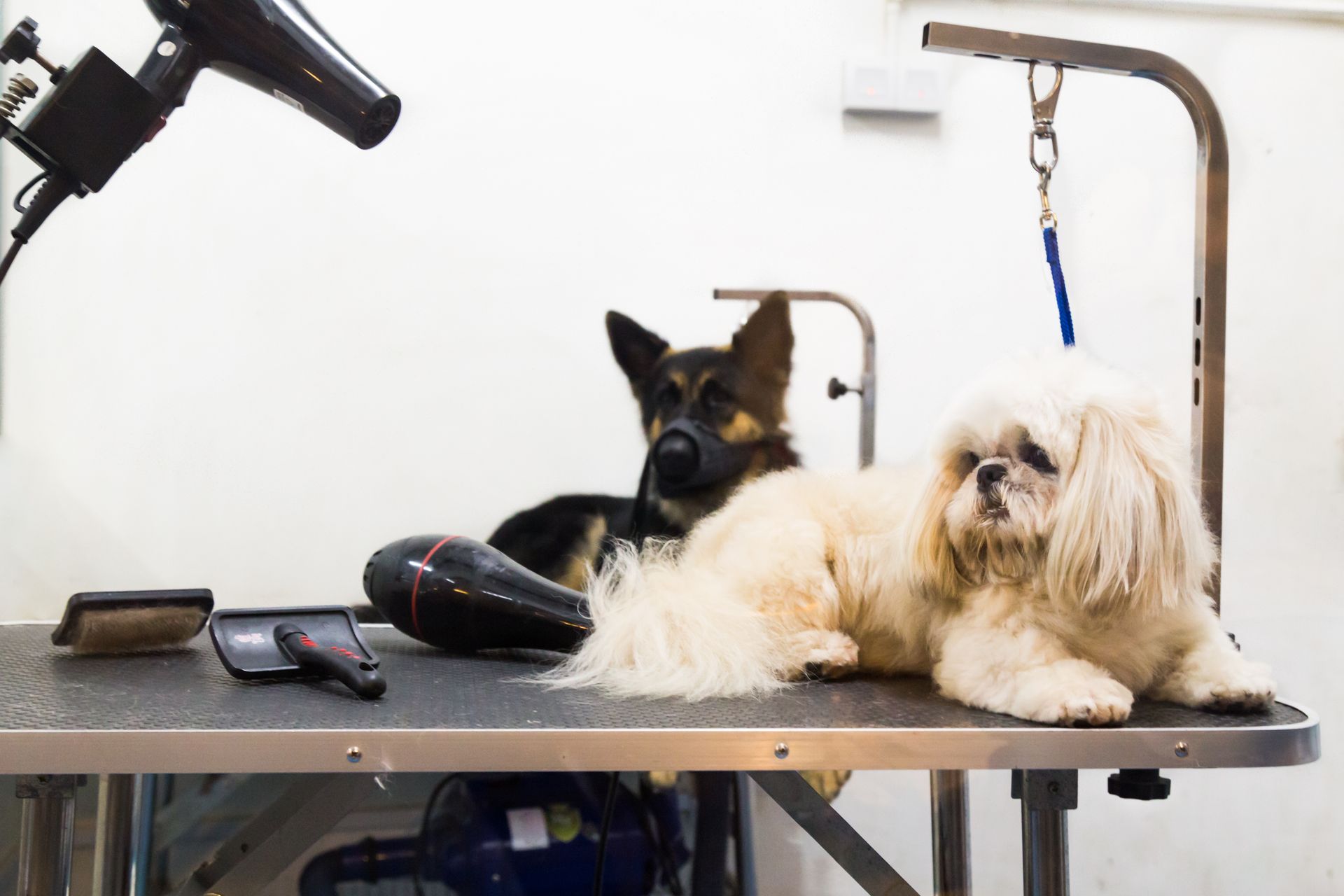
Hands-on · small business
Pet Groomers
Practical protection for animal handling, equipment, and the day-to-day of the grooming table, shop or mobile.

Safety-forward · overnight
Doggy Daycare & Boarding
Coverage matched to facilities responsible for animals overnight and all day long.
Our reviews
Trusted by pet professionals.
See what owners say about working with a specialist who already understands their business.
Frequently asked
Questions pet pros ask us.
What kinds of pet businesses do you insure?
We insure businesses across the animal-care industry — veterinarians and animal hospitals, groomers, doggy daycares and boarding facilities, kennels and trainers, pet sitters and dog walkers, and pet stores. We also cover breeders, equine operations, pet transporters, shelters and rescues, pet photographers, and aquariums or wildlife facilities.
If your work involves caring for, handling, or selling animals, there is a strong chance we cover it. Tell us what you do and we will confirm.
What is care, custody, and control coverage, and why does it matter?
Care, custody, and control coverage protects you when an animal in your charge is injured, becomes ill, or is lost while in your care. Standard general liability policies often exclude this exact exposure, which leaves a serious gap for pet businesses.
For groomers, boarders, sitters, and clinics, this is one of the most important coverages you can carry. We make sure it is in place and sized to your operation.
How is an independent agency different from buying direct from a carrier?
A direct carrier sells you its own single policy. As an independent agency, we shop multiple specialty insurers and compare programs to find the coverage that fits your business and budget.
That means you get options instead of one quote, and an advocate who works for you, not the carrier. We also handle the renewals and claims support over the life of your policy.
How fast can I get a quote?
Most clients get quoted within one business day. Our industry-specific intake forms collect the right details up front, so we can take your information straight to the carriers without a long back-and-forth.
Need it sooner? Call a specialist directly at (346) 738-7297 and we will move quickly.
Which states do you serve?
We are licensed and actively writing coverage in 12 states: Connecticut, Delaware, Georgia, Kentucky, Massachusetts, New Jersey, New York, North Carolina, Pennsylvania, South Carolina, Tennessee, and Virginia.
We continue to add states as we grow. If you operate outside this list, reach out and we will let you know our latest footprint.
From the blog
Coverage notes for pet professionals.
Plain-language risk tips and coverage explainers, written for owners — not insurance pros.
Speak with a specialist
Let's find the right coverage for your business.
No quote bots, no funnel. Talk to a real pet-insurance specialist who already understands your operation — and shops multiple markets on your behalf.
Call us
(346) 738-7297
Toll-free 845-250-5366
Email
service@petindustryins.com
Visit Us
2 Joyce Plaza
Stony Point, NY 10980