Coverage for veterinary practices
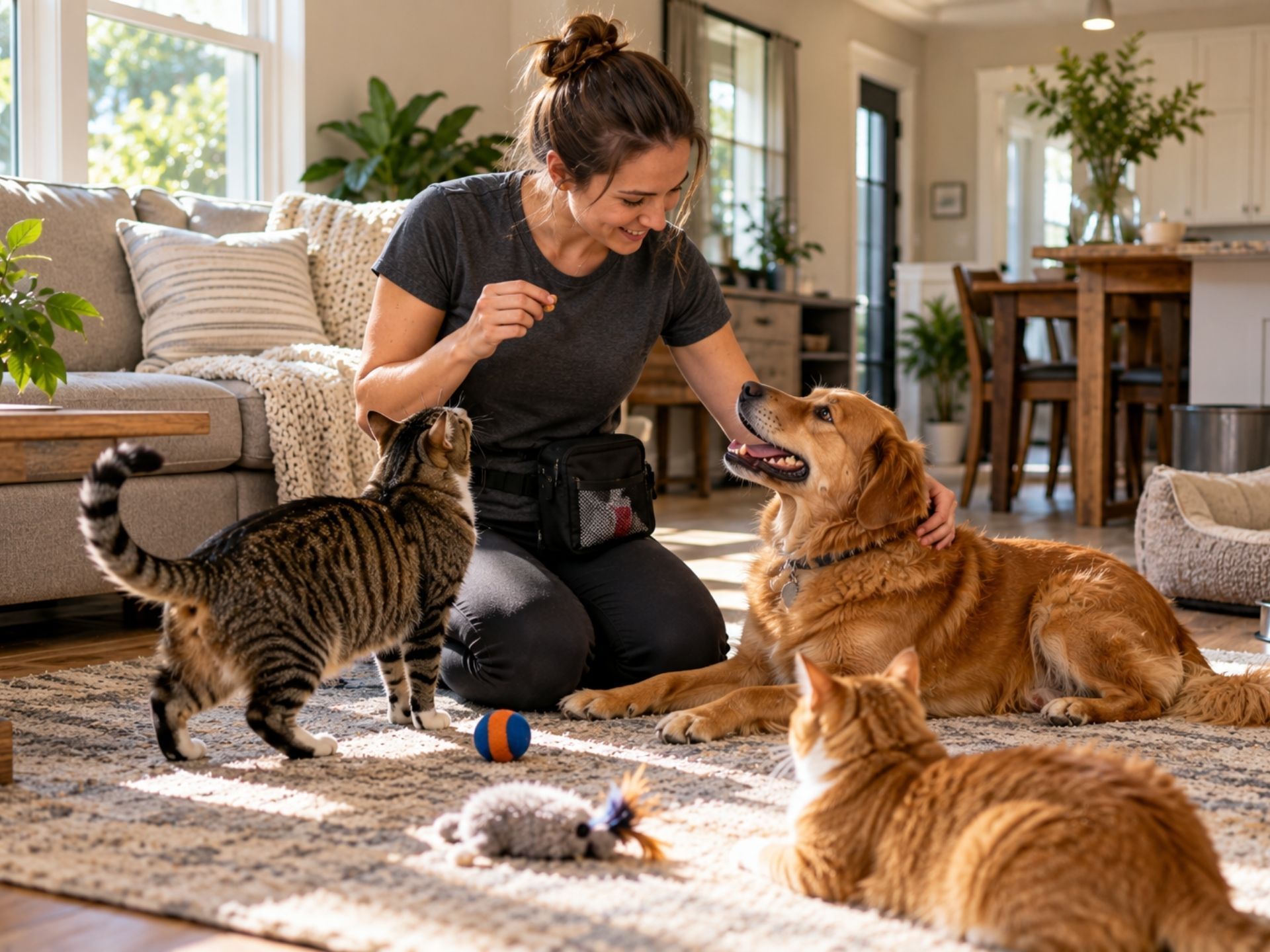
Pet sitting is one of the few service industries where the provider routinely has unsupervised access to a client's home for extended periods. Dog walkers might be in and out in 30 minutes, but overnight pet sitters can spend days or weeks in someone's house.
That level of access makes clients nervous, and rightfully so. A bond doesn't eliminate the risk, but it provides a financial safety net that makes the arrangement feel less like a leap of faith. For clients with valuable collections, home offices full of equipment, or simply a strong sense of privacy, knowing their pet sitter is bonded can be the deciding factor. Agencies like Pet Professional Insurance Agency, which specialize in coverage for pet care businesses, often help sitters understand exactly what level of bonding makes sense for their client base and service model.
Start by listing every piece of equipment you own, along with the brand, model, purchase date, and what you paid for it. Take photos or video of each item. Keep receipts, invoices, and warranty documents in a digital folder. This inventory serves two purposes: it helps your agent calculate the right coverage limits, and it becomes your proof of ownership if you ever file a claim. Pet Professional Insurance Agency uses intake forms designed specifically for pet businesses, which means you won't waste time explaining what a forced-air dryer is or why a single pair of shears costs $500. Update this inventory at least once a year, or whenever you make a significant purchase.
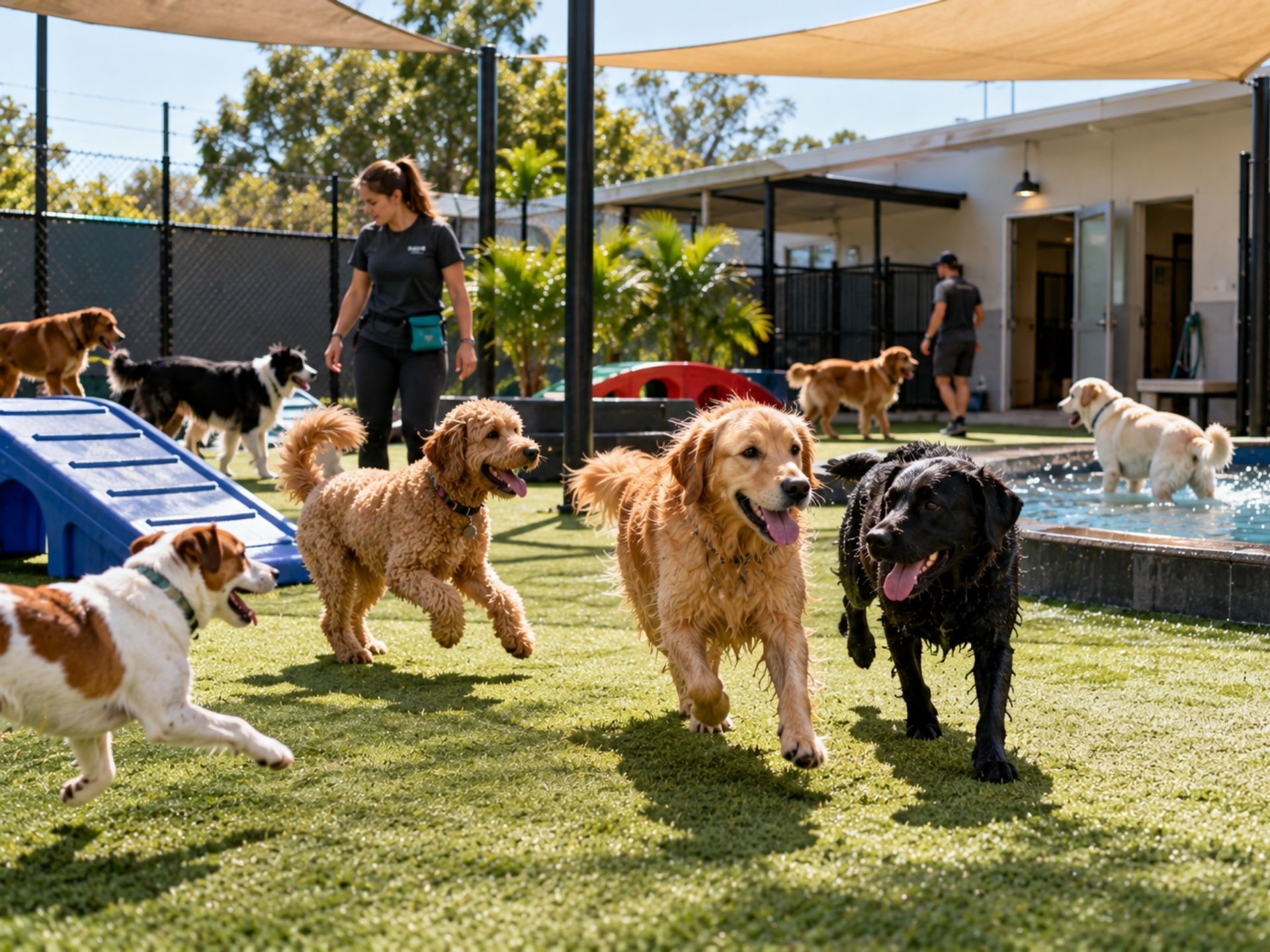
Your general liability policy should cover third-party bodily injury claims, including dog bites. The claim would be filed against your business, and your insurer would handle defense and settlement up to your policy limits. Larger packs with higher bite risk may need higher limits or a separate bite liability endorsement.
If you receive weekly shipments of fish, reptiles, or birds from wholesalers, those animals are at risk during transit. Delayed flights, temperature extremes during shipping, and rough handling kill animals before they ever reach your tanks. Some livestock coverage extends to animals in transit, but many policies only kick in once the animals arrive at your location. Clarify this with your agent before assuming you're covered for a dead-on-arrival shipment worth $3,000.
A single dog bite at an adoption event can cost a rescue organization $50,000 or more in medical bills and legal fees. That's not a hypothetical: it's the kind of claim that shuts down small rescues every year. Most rescue founders start with enormous hearts and tiny budgets, which means insurance often gets pushed to the bottom of the priority list. But the moment you place an animal in someone's home, you're taking on a web of liability that a waiver alone won't untangle. Understanding the insurance every animal rescue needs before adopting out animals is the difference between surviving a bad incident and losing everything you've built. This guide breaks down the specific policies, coverage types, and add-ons that protect your organization, your volunteers, and the animals in your care, so you can focus on what you do best: saving lives.
The Risk Management Foundation for Animal Rescues
Running a rescue means managing risk constantly, whether you realize it or not. Every intake, every foster placement, every adoption event introduces potential liability. A solid risk management foundation starts with identifying where things can go wrong and making sure you have financial protection in place before they do. The pet insurance market has grown significantly in recent years, reflecting a broader awareness of animal-related risks, and rescue organizations need to keep pace with that awareness on the commercial side.
Why Adoptions Increase Liability Risks
The adoption process is where your liability exposure spikes. You're making representations about an animal's health, temperament, and behavior history to a member of the public. If that animal injures someone, damages property, or turns out to have an undisclosed medical condition, the adopter may look to your organization for compensation. Even well-run rescues with thorough behavioral assessments face this risk because animals are unpredictable. A dog that was perfectly calm in foster care might react differently in a new environment with children, other pets, or unfamiliar stimuli.
The Difference Between General and Professional Liability
These two coverage types protect against different scenarios, and rescues typically need both. General liability covers bodily injury and property damage: a visitor trips at your facility, a dog bites a volunteer, or an adopted cat scratches a child at a meet-and-greet. Professional liability (sometimes called errors and omissions) covers mistakes in the advice or services you provide. If you tell an adopter a dog is great with cats and it isn't, or if you provide incorrect vaccination records, professional liability is the policy that responds. Confusing these two is one of the most common mistakes new rescues make.
Core Insurance Policies Every Rescue Must Carry
Three policies form the backbone of rescue insurance coverage. Skipping any one of them leaves a gap that could prove catastrophic during a claim. Think of these as non-negotiable: the cost of carrying them is almost always less than the cost of a single uninsured incident.
General Liability for Third-Party Injuries
General liability is the foundation. It covers third-party bodily injury and property damage claims that arise from your rescue's operations. This includes adoption events, facility visits, fundraisers, and community outreach. Most policies provide coverage for animal-related incidents including bites, scratches, and allergic reactions. A typical general liability policy for a rescue carries $1 million per occurrence and $2 million aggregate limits, though your specific needs may vary based on the number of animals you handle and the volume of public interactions.
Professional Liability for Veterinary and Placement Advice
If your rescue provides any guidance about animal health, behavior, or suitability for a home, you need professional liability coverage. This isn't just for rescues that employ veterinarians. Even volunteer-run organizations make placement recommendations that could be considered professional advice. A foster coordinator who assures an adopter that a dog has no history of aggression is making a professional representation. If that turns out to be wrong, the resulting claim falls under professional liability, not general liability.
Directors and Officers (D&O) Coverage for Board Members
Most rescues operate as 501(c)(3) nonprofits with a board of directors. D&O coverage protects those board members from personal liability arising from decisions they make on behalf of the organization. Without it, a lawsuit against the rescue could reach into board members' personal assets. This matters more than people think: board members who discover they lack D&O protection tend to resign, which can destabilize the entire organization. Policies designed for nonprofit animal organizations typically bundle D&O with other coverages at reasonable rates.
Comparing Basic vs. Comprehensive Rescue Coverage
Not all rescue insurance programs are created equal. The gap between a bare-minimum policy and a comprehensive one can mean the difference between full protection and devastating out-of-pocket costs.
Coverage Comparison Table
| Coverage Feature | Basic Policy | Comprehensive Policy |
|---|---|---|
| General Liability | $1M per occurrence | $1M-$2M per occurrence |
| Professional Liability | Not included | Included |
| D&O Coverage | Not included | Included |
| Animal Bailee | Not included | Included |
| Non-Owned Auto | Not included | Included |
| Volunteer Coverage | Limited | Full coverage |
| Adoption Event Coverage | On-premises only | On- and off-premises |
| Annual Cost Range | $500-$1,200 | $1,500-$4,000+ |
The price difference is real, but consider what a single uninsured claim could cost. Nonprofits
typically spend between $500 and $5,000 annually on insurance depending on their size and risk profile. For a rescue that adopts out 100+ animals per year, comprehensive coverage is almost always the smarter investment.
Specialized Add-ons for Foster-Based Organizations
Foster-based rescues face unique risks that facility-based organizations don't. Animals are dispersed across multiple private homes, transported by volunteers in personal vehicles, and cared for by people with varying levels of experience. These add-on coverages address those specific gaps.
Non-Owned Auto Insurance for Transport Volunteers
Your volunteers drive their own cars to pick up animals from shelters, transport them to vet appointments, and deliver them to adoption events. If a volunteer gets into an accident while on rescue business, their personal auto insurance is primary, but it may not cover the full claim, especially if the injured party sues your organization. Non-owned auto insurance fills that gap. It provides liability coverage for accidents that occur when volunteers or employees drive their personal vehicles for rescue-related purposes. This is one of the most overlooked coverages in the rescue world, and one of the most important for foster-based groups.
Animal Bailee Coverage for Pets in Your Care
Animal bailee coverage (sometimes called care, custody, and control coverage) protects your rescue financially if an animal in your care is injured, becomes ill, or dies. Standard general liability policies typically exclude animals that are in your possession. Without bailee coverage, if a foster dog escapes and is hit by a car, or if a cat in your care develops a serious illness, your rescue bears the full veterinary cost. Organizations that handle wildlife rescue and rehabilitation face even higher bailee risks due to the unpredictable nature of wild animals. For domestic animal rescues, this coverage typically costs a fraction of what a single emergency vet bill would run.
Common Insurance Questions for New Rescues
How much does a basic policy cost per year?
Most small rescues can expect to pay between $500 and $2,000 annually for a basic general liability policy. The exact premium depends on your location, the number of animals you handle, whether you have a physical facility, and your claims history. Comprehensive packages with professional liability, D&O, and animal bailee coverage will run higher, but many specialty markets offer bundled programs for animal welfare organizations that keep costs manageable.
Does my personal homeowners insurance cover foster dogs?
Almost certainly not. Most homeowners policies exclude liability for animals you're caring for on behalf of a business or organization. Some policies even have breed restrictions that could void your coverage entirely if you're fostering a dog on the excluded list. Your rescue needs its own commercial policy that specifically covers foster situations. This is a conversation worth having with an agent who understands the pet industry, like the team at Pet Professional Insurance Agency, which works with specialty markets built for exactly these scenarios.
Do I need insurance if everyone signs a waiver?
Yes. Waivers provide some legal protection, but they're not bulletproof. Courts in many states limit the enforceability of liability waivers, especially when minors are involved or when the waiver language is too broad. A waiver might reduce your exposure, but it won't eliminate it. Insurance is the financial backstop that protects your organization when a waiver doesn't hold up. Laws vary by jurisdiction, so consult a qualified attorney about your specific waiver language.
What happens if a dog bites someone after the adoption?
This depends on your state's laws and the specifics of the adoption. In some jurisdictions, rescues can face liability for post-adoption bites if the organization knew or should have known about the dog's aggressive tendencies and failed to disclose them. Proper insurance coverage for animal shelters and rescues can protect against these claims. Thorough behavioral assessments and honest disclosure during the adoption process are your first line of defense, but insurance is your safety net when things go sideways.
Are volunteers covered under general liability?
Typically, yes, but the extent of coverage varies by policy. Most general liability policies for rescues cover volunteers while they're performing duties on behalf of the organization. The key phrase is "on behalf of the organization." A volunteer who takes a foster dog to an unauthorized dog park on their own time may not be covered. Make sure your policy clearly defines volunteer activities and that your volunteers understand what is and isn't covered. Some rescues also carry additional coverage for shelter-specific risks that extends broader protection to volunteer activities.
Your Next Steps Toward Safe Adoptions
Getting the right insurance coverage before adopting out animals isn't just a legal checkbox: it's the foundation that lets your rescue operate with confidence. Start by assessing your current exposure. How many animals do you handle? Do you use foster homes? How many volunteers drive for the organization? How many public events do you hold each year? Those answers will shape the coverage you need.
Once you have a clear picture of your risks, talk to an agent who specializes in pet-industry insurance. Pet Professional Insurance Agency works directly with rescue organizations and has intake forms tailored specifically to your type of operation. Most clients hear back within 24 to 48 hours, and you'll work with a real person, not a call center.
About the author
Barnaby Joyce
Founder, Pet Professional Insurance Agency · Licensed Insurance Producer
I started Pet Professional Insurance Agency because I watched pet businesses get handed generic policies that never fit. After years of placing coverage for veterinary practices, grooming salons, doggy daycares, and kennels through a generalist agency, I saw the same gaps over and over — and the same blank stares when an owner tried to explain care, custody, and control to an agent who had never insured an animal in their life.
So I built an agency that does one thing. I work directly with specialty carriers who actually want pet-industry risk, and I sit down with every client personally. You will not get a call center or a chatbot. You will get someone who already speaks your language and shops the market on your behalf. That is the whole idea.
Recent Posts