Coverage for veterinary practices
South Carolina Aquarium Insurance
Running a public aquarium or marine exhibit in South Carolina means juggling live animal care, complex filtration systems, public foot traffic, and a regulatory environment shaped by both state law and coastal geography. A single equipment failure or visitor injury can generate losses that dwarf an entire season's revenue. Yet many SC aquarium operators carry policies designed for generic retail businesses, leaving dangerous gaps in coverage for specimen mortality, life support system breakdowns, and hurricane-related damage. Understanding the insurance requirements, realistic costs, and compliance obligations specific to South Carolina aquarium operations is the first step toward protecting what you've built.
Essential Insurance Coverages for South Carolina Aquariums
Most aquarium operators think of insurance as a single policy, but the reality is that adequate protection requires layering several distinct coverages. The species you house, the equipment you rely on, and the visitors who walk through your doors each create separate categories of risk. Getting any one of them wrong can leave you exposed to six-figure losses.
A smart approach starts with identifying every risk category your facility faces, then matching each one to the right policy type. Some coverages are legally mandated in South Carolina; others are technically optional but financially essential.
General Liability and Public Safety
General liability is the foundation. It covers bodily injury and property damage claims from visitors, vendors, or anyone else on your premises. Slip-and-fall incidents near wet exhibit areas are the most common claims aquarium operators face, but you also need to think about bites, stings, and allergic reactions from touch-tank exhibits.
Standard GL policies for aquariums in South Carolina typically start at $1 million per occurrence and $2 million aggregate. If you host school groups, birthday parties, or after-hours events, your underwriter will want to know. Event-related claims are a frequent source of coverage disputes because operators assume their base GL policy covers everything. It usually doesn't. Separate event liability endorsements or umbrella policies fill that gap.
Animal Life and Specimen Mortality
This is where aquarium insurance diverges sharply from standard commercial coverage. A single rare coral colony or exotic fish species can be worth $5,000 to $50,000 or more, and traditional property policies exclude live animals entirely. Specimen mortality coverage reimburses you for the death or loss of aquatic animals due to covered perils like disease, accidental injury, or equipment failure.
Life Support System failure coverage is a critical 2026 risk priority, providing essential protection for exotic species against failures in heating, filtration, and oxygenation systems. If your chiller dies at 2 a.m. on a July night in Charleston, the temperature swing alone can wipe out an entire exhibit. Policies that cover LSS failure typically require documented maintenance logs and backup power systems as conditions of coverage. Businesses housing exotic species face specialized risk profiles that demand tailored policy structures rather than off-the-shelf commercial plans.
Property and Specialized Life Support Equipment
Your building, tanks, and standard fixtures fall under commercial property insurance. But the real cost center for most aquariums is the life support equipment itself: protein skimmers, UV sterilizers, calcium reactors, industrial-grade chillers, and backup generators. Replacing a commercial-scale filtration system can run $15,000 to $75,000 depending on tank volume and species requirements.
Standard property policies often cap equipment coverage at levels far below replacement cost. You need a policy that specifically schedules high-value life support components at their actual replacement values. The cost of professional aquarium systems and ongoing maintenance can surprise operators who haven't priced replacements recently. Make sure your coverage reflects 2026 replacement costs, not what you paid five years ago.
South Carolina Regulatory Compliance and State Mandates
South Carolina has specific insurance mandates that apply to aquarium operations, and the penalties for non-compliance range from fines to facility closure. Staying on the right side of state law requires understanding both employment regulations and wildlife permit requirements.
SC Workers' Compensation Requirements
South Carolina requires workers' compensation insurance for any business with four or more employees. Aquariums almost always exceed this threshold, and the nature of the work, including handling marine animals, working around electrical equipment in wet environments, and lifting heavy equipment, makes workers' comp claims more likely than in a typical retail setting.
SC workers' comp rates for aquarium staff are classified under codes that reflect the elevated risk of animal handling and maintenance work. Expect to pay between $1.50 and $3.50 per $100 of payroll depending on job classifications. Divers who clean tanks or perform underwater maintenance carry the highest rates. One thing to keep in mind: South Carolina's Workers' Compensation Commission can impose penalties of up to $100 per day for operating without coverage, and individual officers can face personal liability.
DNR Permits and Liability Proof
The South Carolina Department of Natural Resources requires permits for facilities that house native or protected species. Part of the permitting process involves demonstrating adequate liability coverage. If your permits lapse because your insurance lapsed, you could face both DNR enforcement action and the loss of animals that took years to acquire.
DNR inspectors increasingly ask for certificates of insurance that specifically reference animal care, custody, and control coverage. A generic GL certificate won't satisfy this requirement. Work with an agent who understands the intersection of exotic animal business insurance and regulatory compliance to make sure your documentation matches what DNR expects. Pet Professional Insurance Agency works with specialty markets that understand these requirements and can issue certificates with the right language.
Comparing Policy Types: Basic vs. Comprehensive Plans
Not every aquarium needs the same level of coverage, but most operators underestimate where their gaps are. Here's a side-by-side look at what basic and comprehensive plans typically include.
Coverage Comparison Table
| Coverage Area | Basic Plan | Comprehensive Plan |
|---|---|---|
| General Liability | $1M/$2M limits | $2M/$4M or higher limits |
| Property Coverage | Building and contents only | Building, contents, and scheduled LSS equipment |
| Specimen Mortality | Not included | Covered with sub-limits by species value |
| LSS Failure | Not included | Covered with maintenance documentation requirement |
| Hurricane/Wind | Excluded or high deductible | Included with named-storm deductible (2-5% of insured value) |
| Workers' Comp | Statutory minimum | Statutory minimum plus employer's liability |
| Business Interruption | Limited or none | 6-12 months of lost revenue coverage |
| Pollution Liability | Not included | Included for accidental chemical releases |
The price difference between basic and comprehensive plans typically runs 40-60%, but the coverage difference is enormous. A basic plan might cost $3,500 to $6,000 annually for a small facility, while comprehensive coverage for the same operation could run $6,000 to $12,000. That gap looks a lot smaller after a single LSS failure kills $30,000 worth of specimens.
Factors Influencing Insurance Premiums in SC
Premiums for South Carolina aquarium operations vary widely based on geography, facility size, and the species you keep. Two facilities in the same city can see dramatically different rates depending on these factors.
Coastal Risk and Hurricane Endorsements
South Carolina's coastline creates insurance challenges that inland operators don't face. If your facility is in Charleston, Myrtle Beach, Hilton Head, or any coastal county, expect your property premiums to include named-storm deductibles that run 2-5% of the total insured value. For a facility insured at $500,000, that's a $10,000 to $25,000 out-of-pocket cost before coverage kicks in during a hurricane.
Flood insurance through the NFIP is separate from your commercial property policy and mandatory if you're in a designated flood zone. Many coastal aquariums sit in Zone AE or VE flood areas, where annual flood premiums can exceed $5,000. Inland facilities in Columbia or Greenville avoid most of these surcharges, which is one reason some operators choose locations away from the coast despite the tourist traffic advantages.
Tank Volume and Species Rarity
Underwriters price specimen mortality and LSS failure coverage based on total tank volume and the replacement value of your animal collection. A facility with 10,000 gallons of freshwater community fish presents a fundamentally different risk than one with 50,000 gallons housing sharks, rays, and rare coral specimens.
Expect underwriters to request a detailed inventory with estimated replacement values for each species. Facilities housing CITES-listed species or animals requiring specialized permits face higher premiums because replacement is slower and more expensive. The costs associated with maintaining and servicing high-end aquarium systems directly influence how underwriters assess your risk profile. Keep your inventory current; outdated valuations lead to underinsurance.
Common Questions About Aquarium Insurance
Does my standard business owner's policy cover aquarium animals? Almost never. Standard BOPs exclude live animals from property coverage. You need a separate specimen mortality endorsement or a specialty policy designed for animal-care businesses.
How much does aquarium insurance cost in South Carolina? Small facilities typically pay $4,000 to $8,000 annually for adequate coverage. Larger operations with rare species and coastal exposure can pay $15,000 to $30,000 or more. Coastal location is the single biggest cost driver.
Do I need pollution liability for my aquarium? If you use chemicals for water treatment, yes. An accidental release of chlorine or copper-based medications can trigger environmental cleanup costs that general liability won't cover.
Can I insure individual high-value specimens separately? Yes. Most specialty markets allow you to schedule individual animals at agreed values, similar to how you'd schedule jewelry on a homeowner's policy. This is worth doing for any specimen valued above $2,000.
What happens if my insurance lapses and I have DNR permits? Your permits can be suspended or revoked. DNR requires proof of active coverage, and reinstatement after a lapse often means higher premiums and a new underwriting review.
Is business interruption coverage worth it for a seasonal aquarium? Absolutely. If a hurricane forces you to close during peak summer months, business interruption coverage replaces lost revenue while you rebuild. Without it, you're paying fixed costs with zero income.
Before You Buy a Policy
Aquarium insurance in South Carolina requires more thought than most operators give it. The combination of live animal risk, expensive life support equipment, coastal weather exposure, and state regulatory requirements creates a coverage puzzle that generic commercial policies simply can't solve.
Start by getting a detailed inventory of your specimens and equipment with current replacement values. Review your DNR permit requirements to confirm what coverage documentation you need. Then talk to an agent who actually understands animal-care businesses. Pet Professional Insurance Agency specializes in commercial coverage for pet and animal-care operations, with access to multiple specialty markets and intake forms built specifically for facilities like yours. Most clients hear back within 24-48 hours.
The right policy isn't the one with the lowest premium. It's the one that actually pays when your chiller fails at midnight or a hurricane shuts you down for six weeks. Get that part right, and everything else gets a lot easier.
Index
Pet Professional Insurance Agency is fully licensed and permitted to provide commercial insurance solutions for pet businesses across 12 states.
We proudly serve pet professionals throughout the Northeast, Mid-Atlantic, and Southeast. Powered by Joyce Insurance Agency, our team works with leading specialty carriers — including The Hartford, USLI, Nautilus, and Northland — to make sure veterinarians, groomers, boarding facilities, and pet-care businesses receive coverage that fits their real risks in Connecticut, Delaware, Georgia, Kentucky, Massachusetts, New Jersey, New York, North Carolina, Pennsylvania, South Carolina, Tennessee, and Virginia.
About the author
Barnaby Joyce
Founder, Pet Professional Insurance Agency · Licensed Insurance Producer
I started Pet Professional Insurance Agency because I watched pet businesses get handed generic policies that never fit. After years of placing coverage for veterinary practices, grooming salons, doggy daycares, and kennels through a generalist agency, I saw the same gaps over and over — and the same blank stares when an owner tried to explain care, custody, and control to an agent who had never insured an animal in their life.
So I built an agency that does one thing. I work directly with specialty carriers who actually want pet-industry risk, and I sit down with every client personally. You will not get a call center or a chatbot. You will get someone who already speaks your language and shops the market on your behalf. That is the whole idea.
Recommended coverages
Coverages that pair with general liability.
Most pet businesses build on general liability with the lines below. Explore each — every page cross-links to the
industries we serve.
Services & advice
Professional Liability / E&O
Covers claims tied to your professional services and advice — clinical care, training guidance, and the judgment calls you make daily.
The pet-industry gap
Care, Custody & Control
Covers the animals in your charge against injury, illness, or loss — the critical exposure standard liability policies leave out.
Bundled & cost-effective
Business Owners Policy (BOP)
Bundles property and general liability into one package built for small to mid-sized pet businesses — often the simplest base.
Your building & contents
Commercial Property
Protects your building, build-out, equipment, and inventory against fire, theft, and covered losses — front desk to back room.
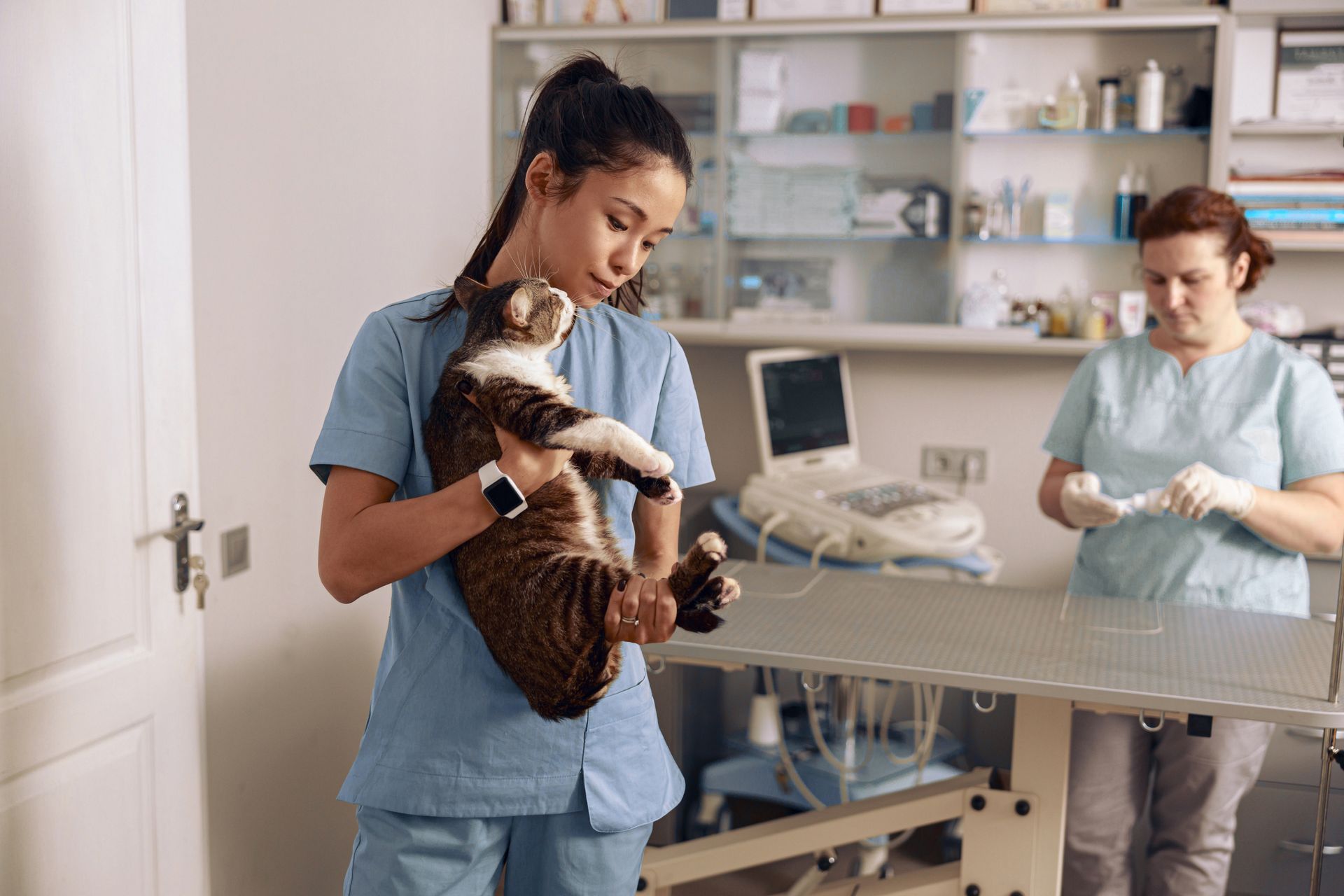
For your team
Workers’ Compensation
Covers medical costs and lost wages when a team member is hurt on the job — required in most states once you have employees.
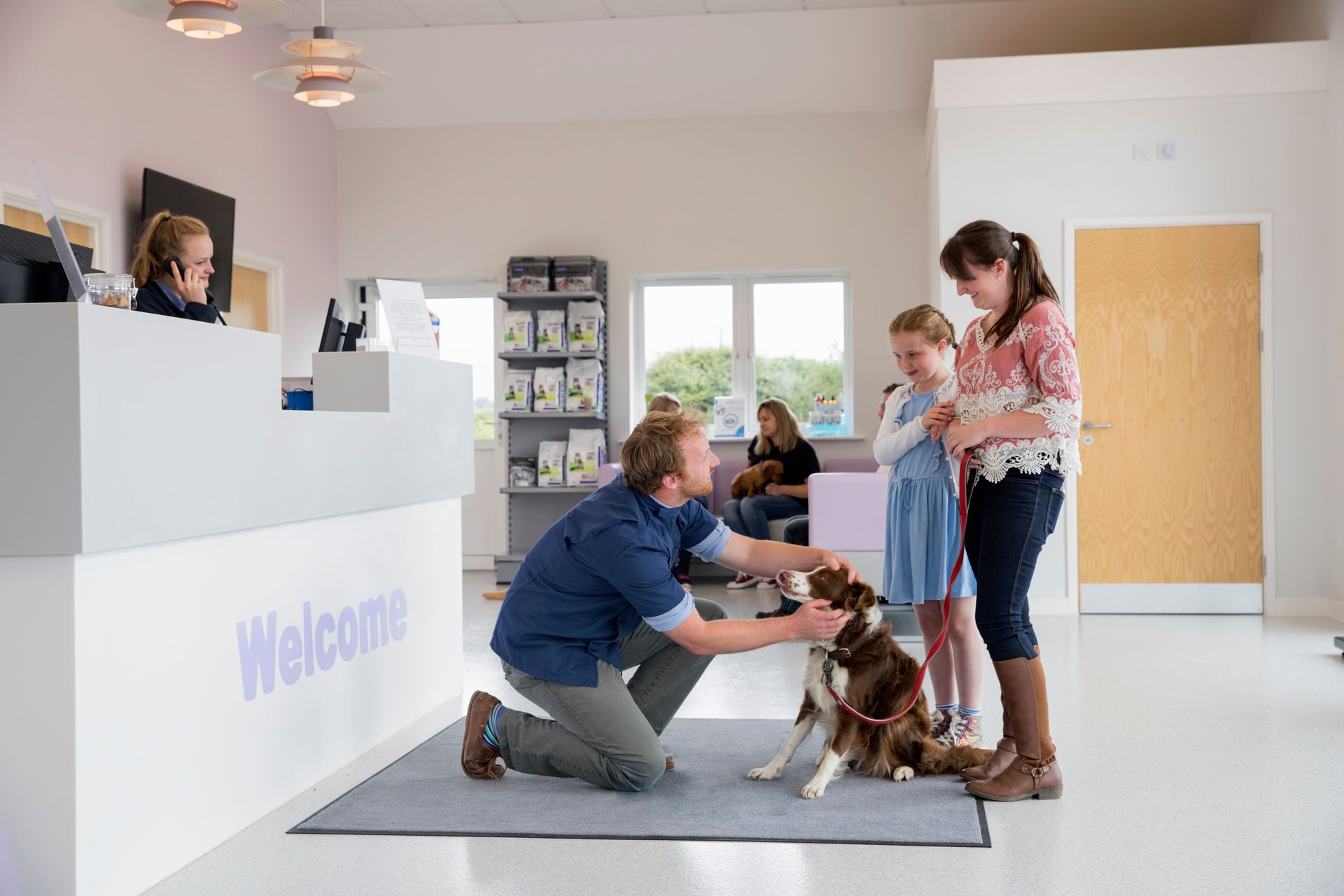
Extra protection
Commercial Umbrella
Adds liability limits above your primary policies for catastrophic claims that exceed standard coverage.
Coverage availability and terms vary by carrier and state. We recommend the right mix for your operation once we talk.
Industries we serve
Built for the businesses that care for animals.
General liability is the baseline for every segment we specialize in. Find the page built for your business.
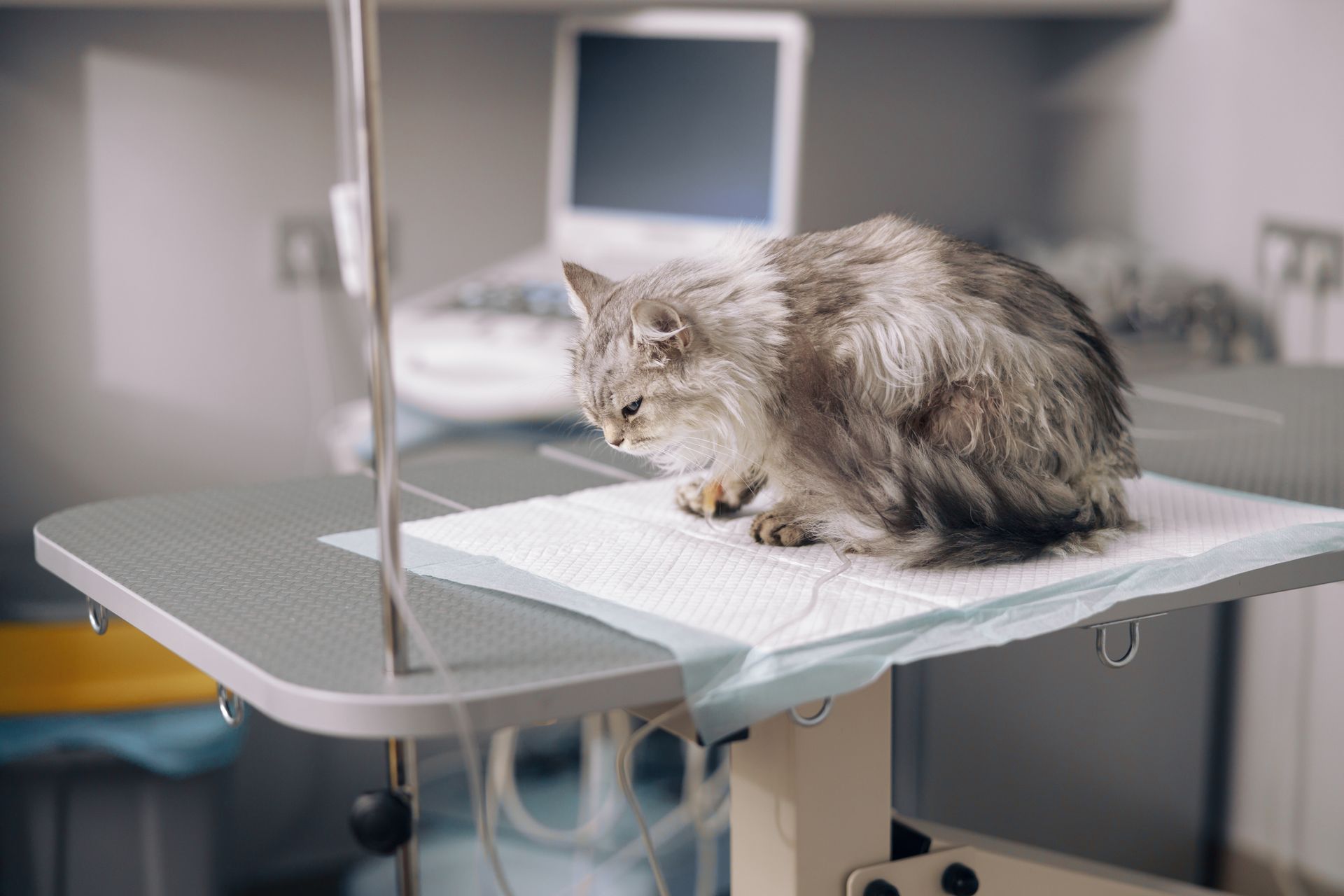
Clinical · high exposure
Veterinarians & Animal Hospitals
Professional and general liability, property, and workers’ comp for clinical operators with high exposure.
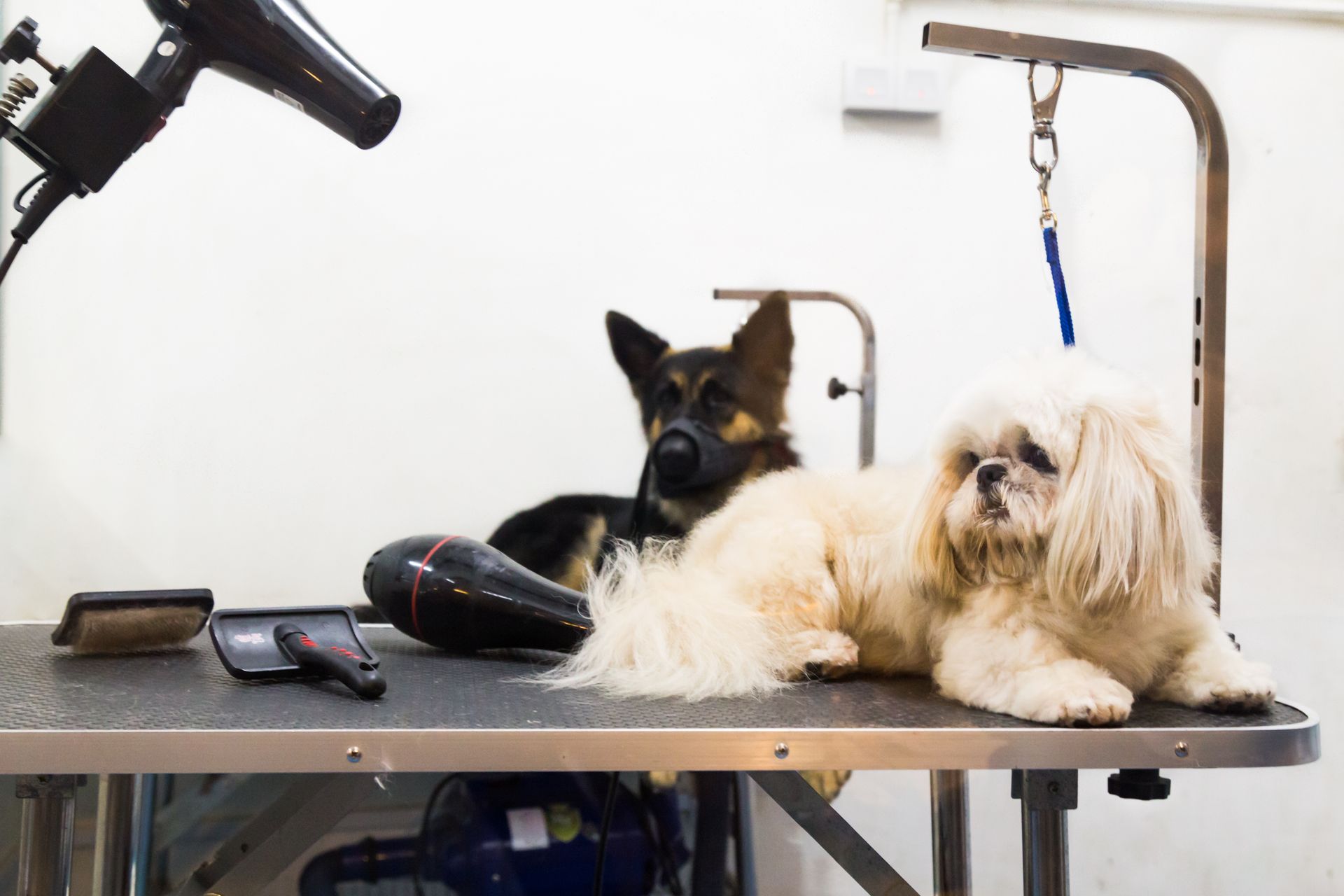
Hands-on · small business
Pet Groomers
Practical protection for animal handling, equipment, and the day-to-day of the grooming table, shop or mobile.
Safety-forward · overnight
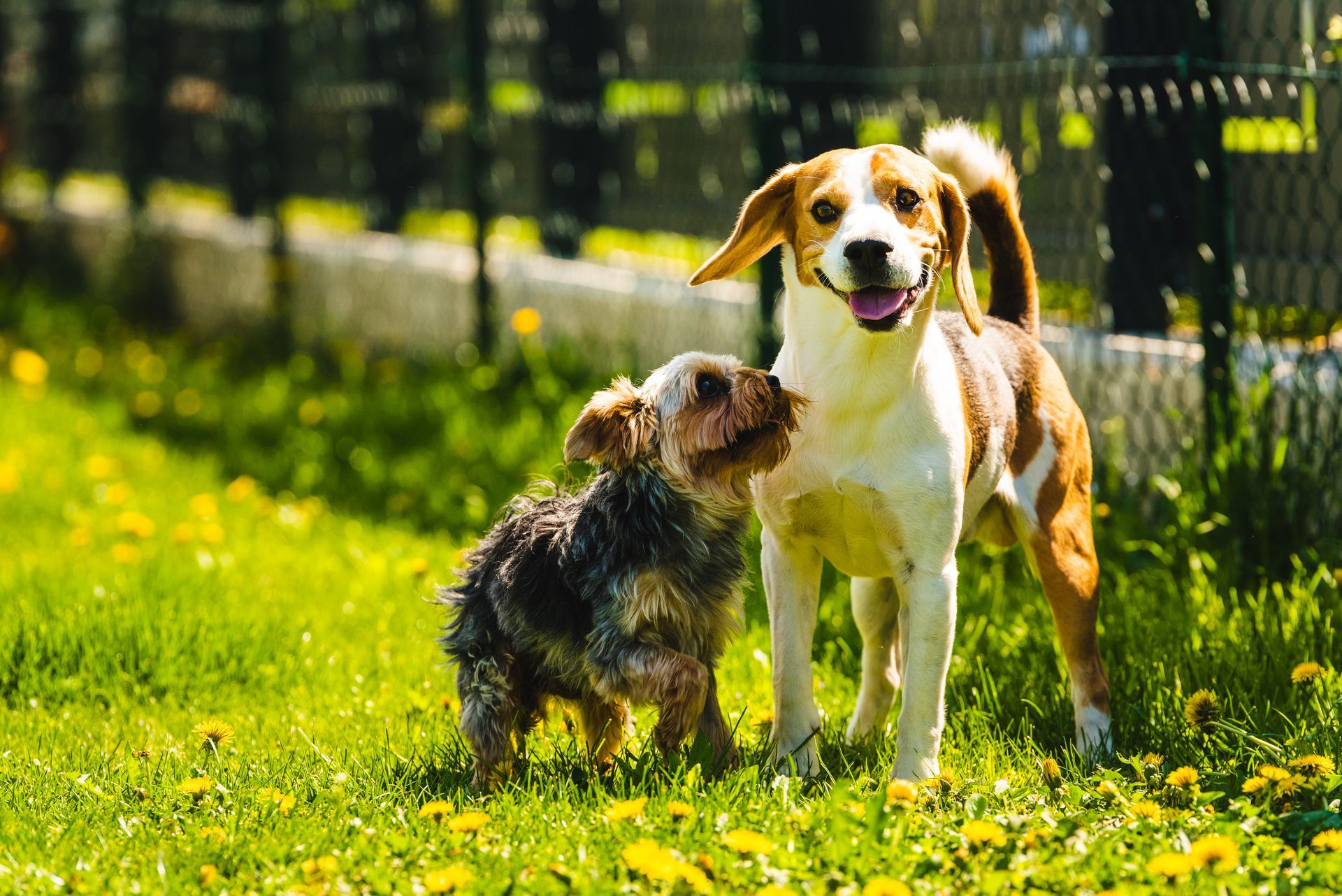
Doggy Daycare & Boarding
Coverage matched to facilities responsible for animals overnight and all day long.
Our reviews
Trusted by pet professionals.
See what owners say about working with a specialist who already understands their business.
Frequently asked
Questions pet pros ask us.
What kinds of pet businesses do you insure?
We insure businesses across the animal-care industry — veterinarians and animal hospitals, groomers, doggy daycares and boarding facilities, kennels and trainers, pet sitters and dog walkers, and pet stores. We also cover breeders, equine operations, pet transporters, shelters and rescues, pet photographers, and aquariums or wildlife facilities.
If your work involves caring for, handling, or selling animals, there is a strong chance we cover it. Tell us what you do and we will confirm.
What is care, custody, and control coverage, and why does it matter?
Care, custody, and control coverage protects you when an animal in your charge is injured, becomes ill, or is lost while in your care. Standard general liability policies often exclude this exact exposure, which leaves a serious gap for pet businesses.
For groomers, boarders, sitters, and clinics, this is one of the most important coverages you can carry. We make sure it is in place and sized to your operation.
How is an independent agency different from buying direct from a carrier?
A direct carrier sells you its own single policy. As an independent agency, we shop multiple specialty insurers and compare programs to find the coverage that fits your business and budget.
That means you get options instead of one quote, and an advocate who works for you, not the carrier. We also handle the renewals and claims support over the life of your policy.
How fast can I get a quote?
Most clients get quoted within one business day. Our industry-specific intake forms collect the right details up front, so we can take your information straight to the carriers without a long back-and-forth.
Need it sooner? Call a specialist directly at (346) 738-7297 and we will move quickly.
Which states do you serve?
We are licensed and actively writing coverage in 12 states: Connecticut, Delaware, Georgia, Kentucky, Massachusetts, New Jersey, New York, North Carolina, Pennsylvania, South Carolina, Tennessee, and Virginia.
We continue to add states as we grow. If you operate outside this list, reach out and we will let you know our latest footprint.
From the blog
Coverage notes for pet professionals.
Plain-language risk tips and coverage explainers, written for owners — not insurance pros.
Visit Us
2 Joyce Plaza
Stony Point, NY 10980
Speak with a specialist
Let's find the right coverage for your business.
No quote bots, no funnel. Talk to a real pet-insurance specialist who already understands your operation — and shops multiple markets on your behalf.
Call us
(346) 738-7297
Toll-free 845-250-5366
Email
service@petindustryins.com
Visit Us
8 Joyce Plaza
Stony Point, NY 10980