Coverage for veterinary practices
Allentown, PA Veterinarian Insurance
Because we are independent, we compare general liability programs across specialty carriers that want pet-industry risk — which often reveals real premium differences for identical coverage.
Running a veterinary practice in Allentown means juggling clinical care, staffing, client relationships, and a building full of expensive equipment - all while hoping nothing goes sideways. But things do go sideways. A dog bites a technician during a nail trim. A client alleges their cat received the wrong medication. A burst pipe floods your surgery suite on a Saturday night. Veterinarian insurance in Allentown, PA isn't just a regulatory checkbox; it's the financial backbone that keeps your doors open when the unexpected hits. And the costs? They vary more than most practice owners realize, shaped by everything from your staff count to whether you offer boarding services. This guide breaks down local coverage options, Pennsylvania's specific requirements, and what Allentown veterinary businesses actually pay for the protection they need. Whether you run a solo practice near Cedar Crest or a multi-vet hospital off Hamilton Boulevard, the right policy mix can mean the difference between a manageable claim and a financial catastrophe. Let's get specific about what you need and what it costs.
Core Insurance Needs for Allentown Veterinary Clinics
Every veterinary clinic faces a unique set of risks, but certain coverage types are non-negotiable regardless of your practice size. Allentown clinics deal with the same core exposures as practices nationwide: bodily injury to clients or visitors, professional errors, property damage, and the animals themselves. The trick is building a policy package that addresses your actual risk profile without paying for coverage you don't need.
A general liability policy paired with professional liability forms the foundation. From there, you layer on coverage based on your services. Do you board animals overnight? You need animal bailee coverage. Own the building? Commercial property is essential. The mistake many practice owners make is treating insurance as a single product rather than a customized package. An agency like Pet Professional Insurance Agency, which focuses exclusively on pet-care businesses, can help identify gaps that a generalist agent might miss entirely.
General Liability and Professional Liability (Malpractice)
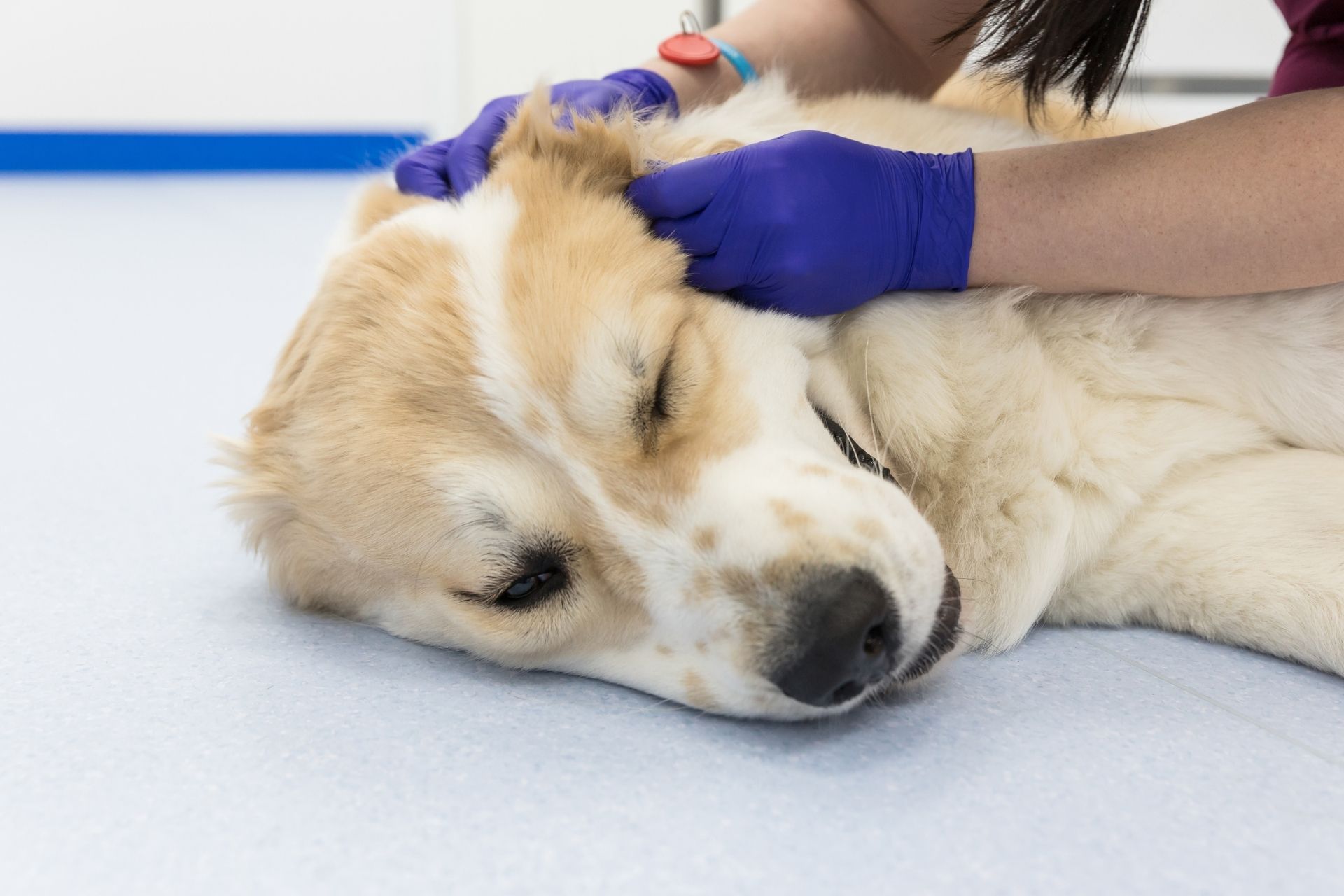
General liability covers the "slip and fall" scenarios: a client trips over a leash in your waiting room, or their child gets scratched by a nervous cat. These claims happen more often than you'd think. General liability insurance for Allentown veterinary clinics typically ranges from $800 to $3,000 per year, with bundled Business Owner's Policies often offering better value.
Professional liability, or malpractice coverage, is a different animal entirely. This protects you when a client alleges that your medical judgment caused harm to their pet. Misdiagnosis, surgical complications, adverse drug reactions, anesthesia incidents: these are the claims that can get expensive fast. Veterinary malpractice claims have been rising steadily as pet owners invest more in their animals' care, and a single lawsuit can easily exceed $50,000 in defense costs alone, even if you did nothing wrong.
Most Allentown practices carry at least $1 million per occurrence and $2 million aggregate in professional liability. If you perform complex surgeries or specialize in exotic animals, higher limits are worth considering.
Animal Bailee Coverage for Boarding and Grooming
If animals stay at your facility for any reason - post-surgical recovery, overnight observation, boarding, or grooming - you need animal bailee coverage. This protects you financially if an animal in your care is injured, becomes ill, or escapes. Standard general liability policies typically exclude animals in your custody, which catches a lot of practice owners off guard.
Bailee coverage fills that gap. It applies when you have care, custody, or control of someone else's pet. A dog that chews through a kennel door and injures itself, a cat that contracts an illness from another boarded animal, or even a grooming accident that results in a laceration: these are all bailee claims. Premiums depend on how many animals you house at any given time and the maximum value per animal you want covered. Most policies offer per-animal limits of $2,500 to $10,000.
Commercial Property Protection for Medical Equipment
A single digital X-ray unit can cost $30,000 to $80,000. Ultrasound machines, surgical lasers, dental equipment, autoclaves: the average Allentown veterinary clinic has $150,000 to $500,000 worth of specialized equipment on-site. Commercial property insurance covers this equipment, along with your furniture, inventory, and the building itself if you own it.
Pay attention to your policy's valuation method. Replacement cost coverage pays to replace destroyed equipment with new equivalents. Actual cash value policies deduct depreciation, which can leave you significantly short. For a practice full of depreciating medical technology, replacement cost is almost always the smarter choice. Business interruption coverage, often bundled into a property policy, covers lost income if you're forced to close temporarily due to a covered event like a fire or storm damage.
Pennsylvania State Requirements for Veterinary Practices
Pennsylvania has specific insurance mandates that apply to veterinary businesses. Ignoring them isn't just risky: it's illegal.
Workers' Compensation Mandates in PA
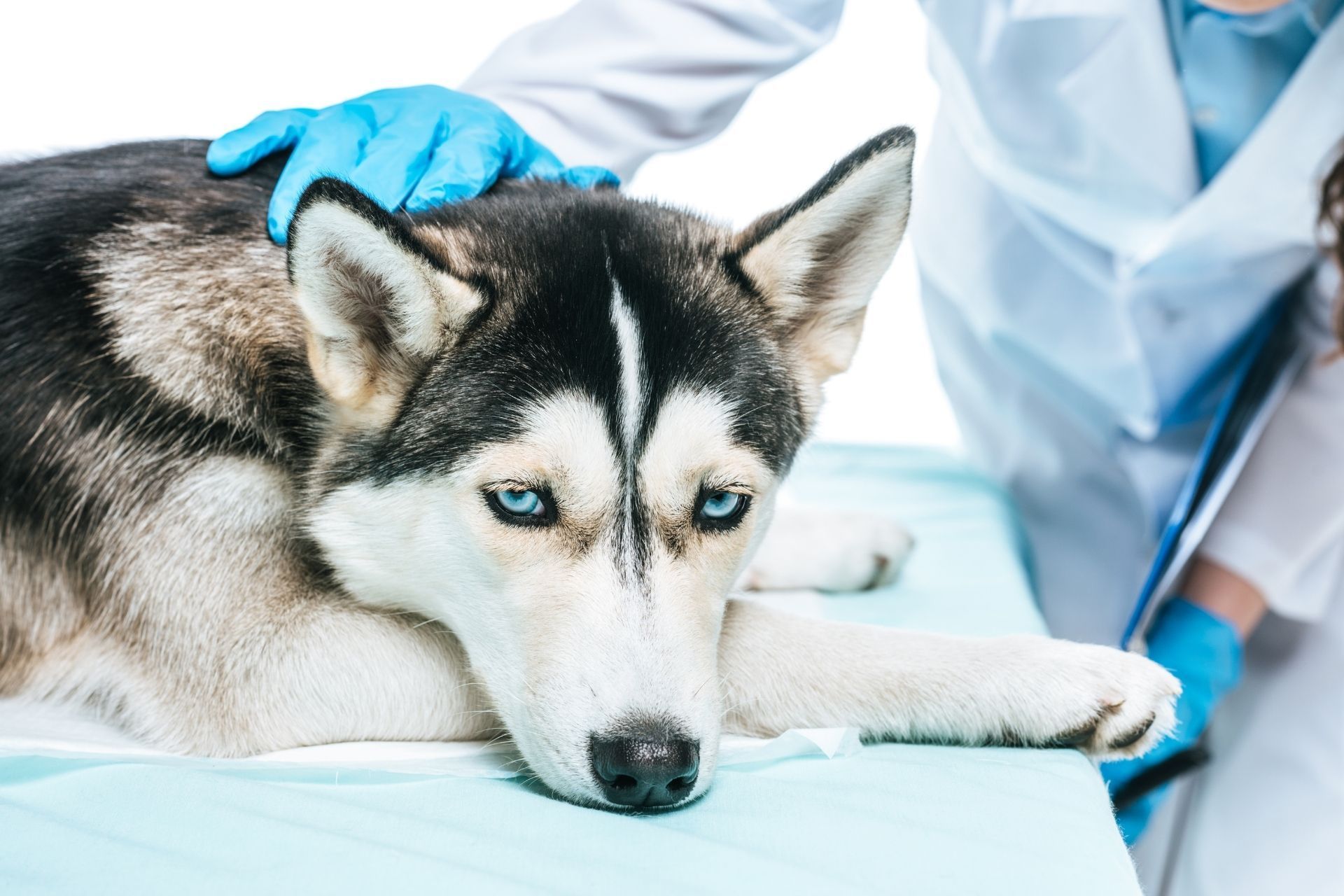
Pennsylvania requires workers' compensation insurance for nearly all employers, including veterinary practices. If you have even one employee, you need coverage. There's no minimum employee threshold, and the penalties for non-compliance are severe: fines, criminal charges, and personal liability for any workplace injuries.
Workers' comp in PA covers medical expenses and a portion of lost wages when an employee is hurt on the job. For vet clinics, the most common claims involve animal bites, needle sticks, lifting injuries from handling large animals, and repetitive strain from dental procedures. Pennsylvania calculates benefits using a formula based on the employee's average weekly wage, typically paying about two-thirds of their pre-injury earnings up to a statewide maximum.
Your premium is determined by your payroll, the classification codes assigned to your employees' job duties, and your claims history. Veterinary staff fall into higher-risk classifications than typical office workers, so expect premiums that reflect that exposure. A clean claims history can earn you experience modification credits that lower your rate over time.
Commercial Auto Insurance for Mobile Vets
If your practice operates a mobile veterinary unit or uses vehicles for house calls, farm visits, or transporting animals, Pennsylvania requires commercial auto insurance. Personal auto policies exclude business use, and if an employee causes an accident while driving for work purposes, your personal policy won't cover it.
Commercial auto policies cover liability, collision, and comprehensive damage for vehicles used in your business. Mobile vet units need higher coverage limits because they often carry expensive medical equipment. A fully equipped mobile vet van can represent $100,000 or more in vehicle and equipment value. Even if you just send a tech to pick up lab supplies in a practice-owned car, that vehicle needs commercial coverage. Pennsylvania's minimum liability limits for commercial vehicles are $15,000/$30,000/$5,000, but most insurers and industry experts recommend carrying at least $500,000 in combined single-limit liability. The cost difference between minimum and adequate coverage is usually modest: often just a few hundred dollars per year.
Comparing Coverage: Basic vs. Comprehensive Protection
Understanding the gap between bare-minimum coverage and a well-rounded policy helps you make informed decisions. Here's how the two approaches compare for a typical Allentown veterinary practice:
| Coverage Type | Basic Protection | Comprehensive Protection |
|---|---|---|
| General Liability | $500K/$1M limits | $1M/$2M limits with umbrella |
| Professional Liability | $500K per claim | $1M per claim, $3M aggregate |
| Animal Bailee | Not included | $5,000-$10,000 per animal |
| Property | Actual cash value | Replacement cost with business interruption |
| Workers' Comp | State minimum only | State minimum plus employer's liability |
| Cyber Liability | Not included | $1M coverage for data breaches |
| Employment Practices | Not included | Protection against wrongful termination, discrimination claims |
The basic approach saves money upfront but leaves significant gaps. A single uncovered claim can cost more than years of premium savings. Most established Allentown practices with five or more employees find that comprehensive coverage provides meaningfully better protection for a relatively modest increase in annual premiums.
Factors Influencing Insurance Costs in Allentown
Your premiums aren't random. Insurers evaluate specific risk factors to determine what you pay, and understanding these factors gives you some control over your costs.
Average Premium Ranges for Local Clinics
A solo veterinarian running a small-animal practice in Allentown can expect to pay roughly $3,500 to $7,000 annually for a solid insurance package that includes general liability, professional liability, and commercial property coverage. Multi-vet practices with 10 or more employees typically pay $8,000 to $18,000 or more, depending on services offered and revenue levels.
Workers' compensation adds another layer. For a practice with $400,000 in annual payroll, expect workers' comp premiums in the range of $4,000 to $8,000, though this varies based on your experience modification rate and specific job classifications. Practices with clean safety records and formal injury prevention programs often qualify for lower rates.
How Staff Size and Revenue Affect Your Rate
Staff size directly impacts your workers' comp and general liability premiums because more employees mean more exposure. A practice with 15 employees faces statistically higher odds of a workplace injury or a client interaction that leads to a claim than a three-person operation.
Revenue matters because insurers use it as a proxy for how many clients and animals pass through your facility. Higher revenue generally means more patient visits, more procedures, and more opportunities for something to go wrong. A practice generating $2 million annually will pay more than one generating $500,000, all else being equal. That said, revenue growth is a good problem to have, and the incremental insurance cost per dollar of revenue actually decreases as your practice scales. Pet Professional Insurance Agency works with practices across the revenue spectrum and can often find competitive rates through specialty markets that understand veterinary risk profiles.
Common Questions About Vet Insurance in Allentown
Do I need malpractice insurance if I only treat small animals? Yes. Small-animal practices face malpractice claims regularly. Surgical complications, medication errors, and missed diagnoses happen regardless of species. Malpractice coverage is essential for any practicing veterinarian.
Does my landlord's insurance cover my equipment? No. Your landlord's policy covers the building structure, not your contents. You need your own commercial property policy for equipment, inventory, and tenant improvements.
How quickly can I get coverage for a new practice? Pet Professional Insurance Agency typically responds within 24 to 48 hours with options. For a straightforward small-animal practice, binding coverage within a week is common.
Is cyber liability insurance really necessary for a vet clinic? If you store client payment information, medical records, or use cloud-based practice management software, yes. Data breaches at small businesses are increasingly common, and notification costs alone can run $50,000 or more.
Can I bundle all my coverage into one policy? A Business Owner's Policy bundles general liability and commercial property into a single policy, often at a lower combined rate. Professional liability and workers' comp are typically written separately.
What happens if an employee is bitten by a patient? Workers' compensation covers the medical bills and lost wages. This is one of the most frequent claim types in veterinary practices, which is why PA mandates workers' comp coverage.
Making the Right Choice for Your Practice
Getting veterinary insurance right in Allentown isn't about buying the most expensive policy or the one with the longest list of endorsements. It's about matching your actual risk profile to the right coverage. A solo practitioner doing wellness exams has very different needs than a 24-hour emergency hospital with boarding facilities.
Start by auditing your current exposures: your services, staff size, equipment value, and revenue. Then compare those against your existing coverage. The gaps you find are where your real risk lives. Working with an agency that specializes in pet-care businesses, rather than a generalist who also writes auto and homeowners policies, means you're less likely to miss something critical.
Pennsylvania's requirements set the floor, but smart practice owners build well above it. The cost of adequate coverage is predictable and manageable. The cost of being underinsured is neither. Talk to a specialist, get your coverage reviewed, and make sure your practice is protected the way it deserves to be.
Index
Pet Professional Insurance Agency is fully licensed and permitted to provide commercial insurance solutions for pet businesses across 12 states.
We proudly serve pet professionals throughout the Northeast, Mid-Atlantic, and Southeast. Powered by Joyce Insurance Agency, our team works with leading specialty carriers — including The Hartford, USLI, Nautilus, and Northland — to make sure veterinarians, groomers, boarding facilities, and pet-care businesses receive coverage that fits their real risks in Connecticut, Delaware, Georgia, Kentucky, Massachusetts, New Jersey, New York, North Carolina, Pennsylvania, South Carolina, Tennessee, and Virginia.
Pet Insurance By City
Pet Insurance Coverage
About the author
Barnaby Joyce
Founder, Pet Professional Insurance Agency · Licensed Insurance Producer
I started Pet Professional Insurance Agency because I watched pet businesses get handed generic policies that never fit. After years of placing coverage for veterinary practices, grooming salons, doggy daycares, and kennels through a generalist agency, I saw the same gaps over and over — and the same blank stares when an owner tried to explain care, custody, and control to an agent who had never insured an animal in their life.
So I built an agency that does one thing. I work directly with specialty carriers who actually want pet-industry risk, and I sit down with every client personally. You will not get a call center or a chatbot. You will get someone who already speaks your language and shops the market on your behalf. That is the whole idea.
Recommended coverages
Coverages that pair with general liability.
Most pet businesses build on general liability with the lines below. Explore each — every page cross-links to the
industries we serve.
Services & advice
Professional Liability / E&O
Covers claims tied to your professional services and advice — clinical care, training guidance, and the judgment calls you make daily.
The pet-industry gap
Care, Custody & Control
Covers the animals in your charge against injury, illness, or loss — the critical exposure standard liability policies leave out.
Bundled & cost-effective
Business Owners Policy (BOP)
Bundles property and general liability into one package built for small to mid-sized pet businesses — often the simplest base.
Your building & contents
Commercial Property
Protects your building, build-out, equipment, and inventory against fire, theft, and covered losses — front desk to back room.
For your team
Workers’ Compensation
Covers medical costs and lost wages when a team member is hurt on the job — required in most states once you have employees.
Extra protection
Commercial Umbrella
Adds liability limits above your primary policies for catastrophic claims that exceed standard coverage.
Coverage availability and terms vary by carrier and state. We recommend the right mix for your operation once we talk.
Industries we serve
Built for the businesses that care for animals.
General liability is the baseline for every segment we specialize in. Find the page built for your business.
Clinical · high exposure
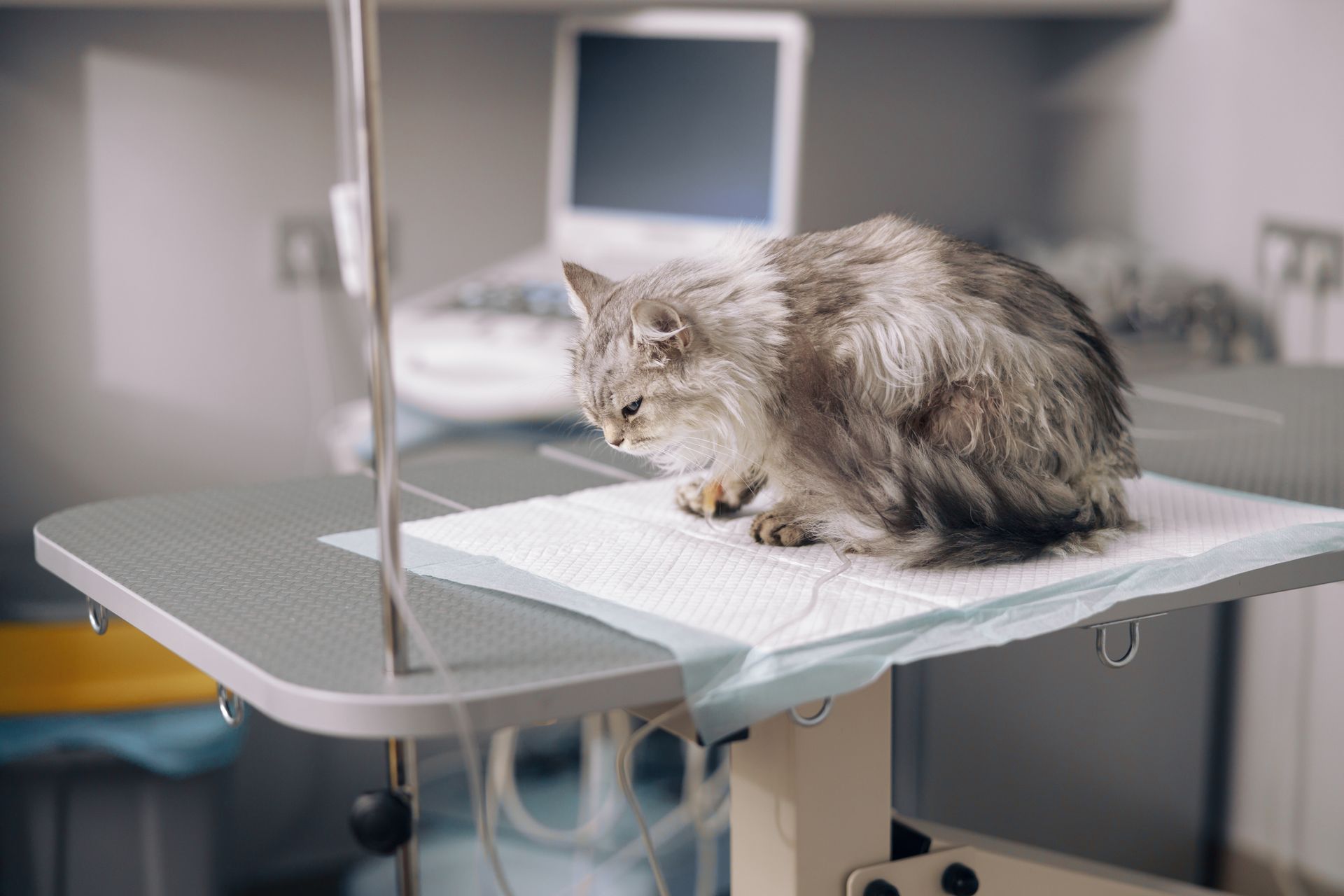
Veterinarians & Animal Hospitals
Professional and general liability, property, and workers’ comp for clinical operators with high exposure.
Hands-on · small business
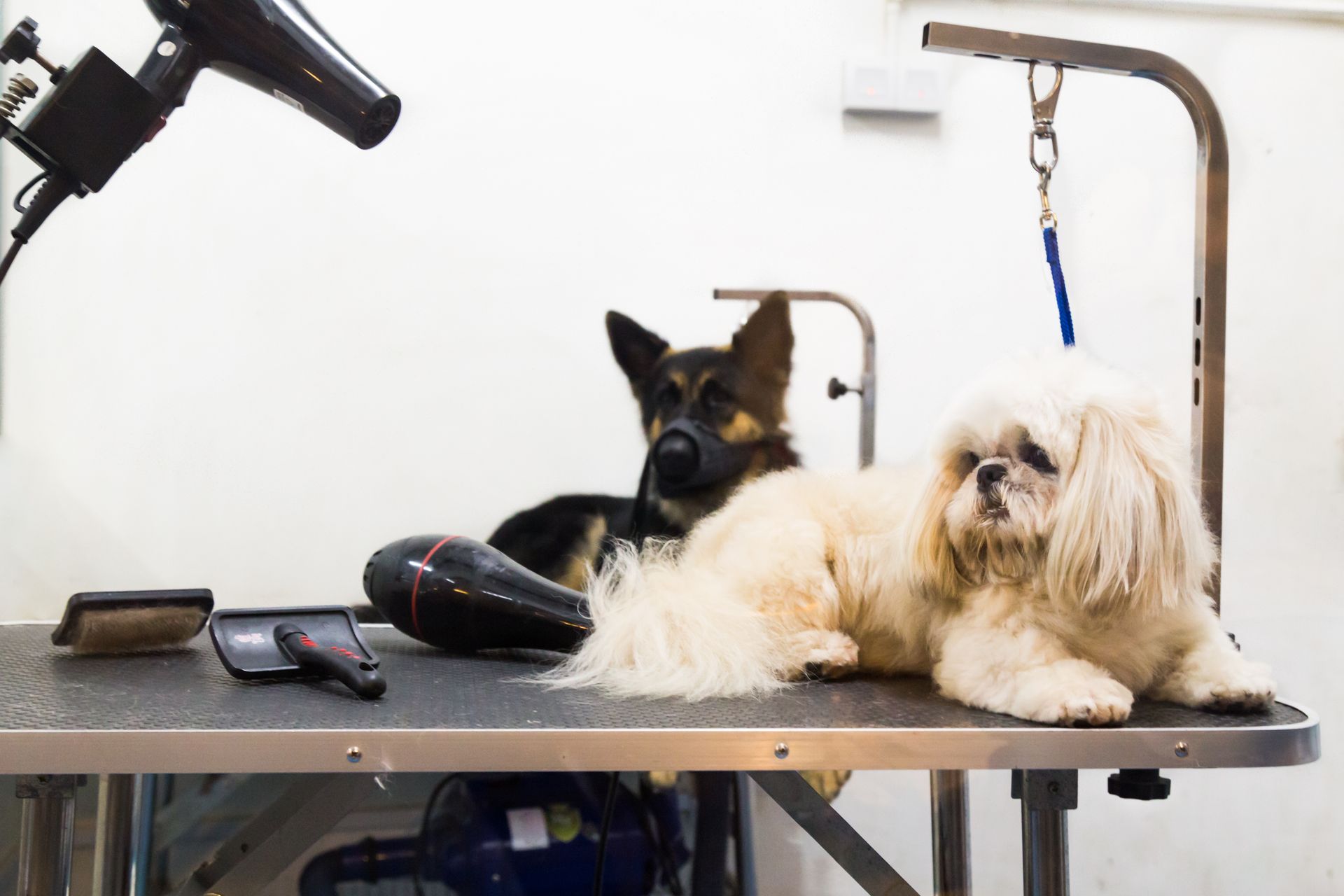
Pet Groomers
Practical protection for animal handling, equipment, and the day-to-day of the grooming table, shop or mobile.
Safety-forward · overnight
Doggy Daycare & Boarding
Coverage matched to facilities responsible for animals overnight and all day long.
Our reviews
Trusted by pet professionals.
See what owners say about working with a specialist who already understands their business.
Frequently asked
Questions pet pros ask us.
What kinds of pet businesses do you insure?
We insure businesses across the animal-care industry — veterinarians and animal hospitals, groomers, doggy daycares and boarding facilities, kennels and trainers, pet sitters and dog walkers, and pet stores. We also cover breeders, equine operations, pet transporters, shelters and rescues, pet photographers, and aquariums or wildlife facilities.
If your work involves caring for, handling, or selling animals, there is a strong chance we cover it. Tell us what you do and we will confirm.
What is care, custody, and control coverage, and why does it matter?
Care, custody, and control coverage protects you when an animal in your charge is injured, becomes ill, or is lost while in your care. Standard general liability policies often exclude this exact exposure, which leaves a serious gap for pet businesses.
For groomers, boarders, sitters, and clinics, this is one of the most important coverages you can carry. We make sure it is in place and sized to your operation.
How is an independent agency different from buying direct from a carrier?
A direct carrier sells you its own single policy. As an independent agency, we shop multiple specialty insurers and compare programs to find the coverage that fits your business and budget.
That means you get options instead of one quote, and an advocate who works for you, not the carrier. We also handle the renewals and claims support over the life of your policy.
How fast can I get a quote?
Most clients get quoted within one business day. Our industry-specific intake forms collect the right details up front, so we can take your information straight to the carriers without a long back-and-forth.
Need it sooner? Call a specialist directly at (346) 738-7297 and we will move quickly.
Which states do you serve?
We are licensed and actively writing coverage in 12 states: Connecticut, Delaware, Georgia, Kentucky, Massachusetts, New Jersey, New York, North Carolina, Pennsylvania, South Carolina, Tennessee, and Virginia.
We continue to add states as we grow. If you operate outside this list, reach out and we will let you know our latest footprint.
From the blog
Coverage notes for pet professionals.
Plain-language risk tips and coverage explainers, written for owners — not insurance pros.
Speak with a specialist
Let's find the right coverage for your business.
No quote bots, no funnel. Talk to a real pet-insurance specialist who already understands your operation — and shops multiple markets on your behalf.
Call us
(346) 738-7297
Toll-free 845-250-5366
Email
service@petindustryins.com
Visit Us
2 Joyce Plaza
Stony Point, NY 10980