Coverage for veterinary practices
Connecticut Pet Transportation Insurance
Connecticut isn't the most expensive state for equine insurance, but it's not the least expensive either. Several variables determine what you'll actually pay.
Factors Influencing Insurance Costs in the Nutmeg State
Facility Size and Annual Revenue
Standard homeowners' insurance won't cover commercial equine structures, and NC homeowners' rates have been increasing as of mid-2026, making it even more important to separate your personal and commercial coverage. You need a commercial property or farm policy that specifically covers your barns, indoor and outdoor arenas, hay storage, equipment, and fencing.
Replacement cost coverage is worth the extra premium over actual cash value. A 20-year-old barn might have a depreciated value of $40,000, but rebuilding it could cost $150,000. Don't get caught with a policy that pays you pennies on the dollar after a fire or hurricane. NC's coastal and piedmont regions face real storm risks, so make sure your policy addresses wind and hail damage specifically.
Running a pet transport service in Connecticut means you're responsible for living cargo - anxious golden retrievers, crated cats heading to new homes, and sometimes exotic birds that cost more than your vehicle. If something goes wrong mid-trip, a standard commercial auto policy won't cover the animal in your care. It won't cover the bite that sends a handler to urgent care. And it definitely won't cover the lawsuit from an owner whose $5,000 French Bulldog was injured during transit. Pet transportation insurance in Connecticut requires a specific combination of coverages that most general insurance agents frankly don't understand. The state has its own regulatory framework, and the pet transport industry has risks that sit in a weird gap between commercial trucking and animal care. Local ground transport for pets in Connecticut typically costs between $100 and $350 per trip, which means margins are tight and a single uninsured claim can destroy a small operation. Whether you're running a solo van service or managing a fleet, getting the right insurance structure in place isn't optional - it's the difference between building a real business and gambling with your livelihood. This guide breaks down what Connecticut actually requires, what coverage gaps will burn you, and what it all costs.
Understanding Connecticut Insurance Mandates for Pet Transporters
Connecticut treats pet transporters as commercial carriers, which means your insurance obligations go well beyond what you'd carry on a personal vehicle. The state requires commercial auto liability minimums, but the real complexity comes from how pet transport sits at the intersection of animal welfare law and transportation regulation.
Connecticut's Department of Agriculture has been reminding licensees and permittees to stay current with renewals, and pet transporters who also hold animal-related permits need to track both their insurance certificates and their state licensing deadlines. Missing either one can result in fines or forced suspension of operations.
One thing most new operators miss: Connecticut doesn't have a single "pet transporter license" that bundles everything together. You're dealing with multiple agencies and multiple compliance threads simultaneously.
Commercial Auto vs. Personal Policy Gaps
Your personal auto insurance will deny any claim that happens while you're transporting animals for pay. Full stop. Personal policies exclude commercial use, and insurers are aggressive about investigating claims that smell like business activity. GPS records, social media posts, even Venmo payments can be used to prove you were operating commercially.
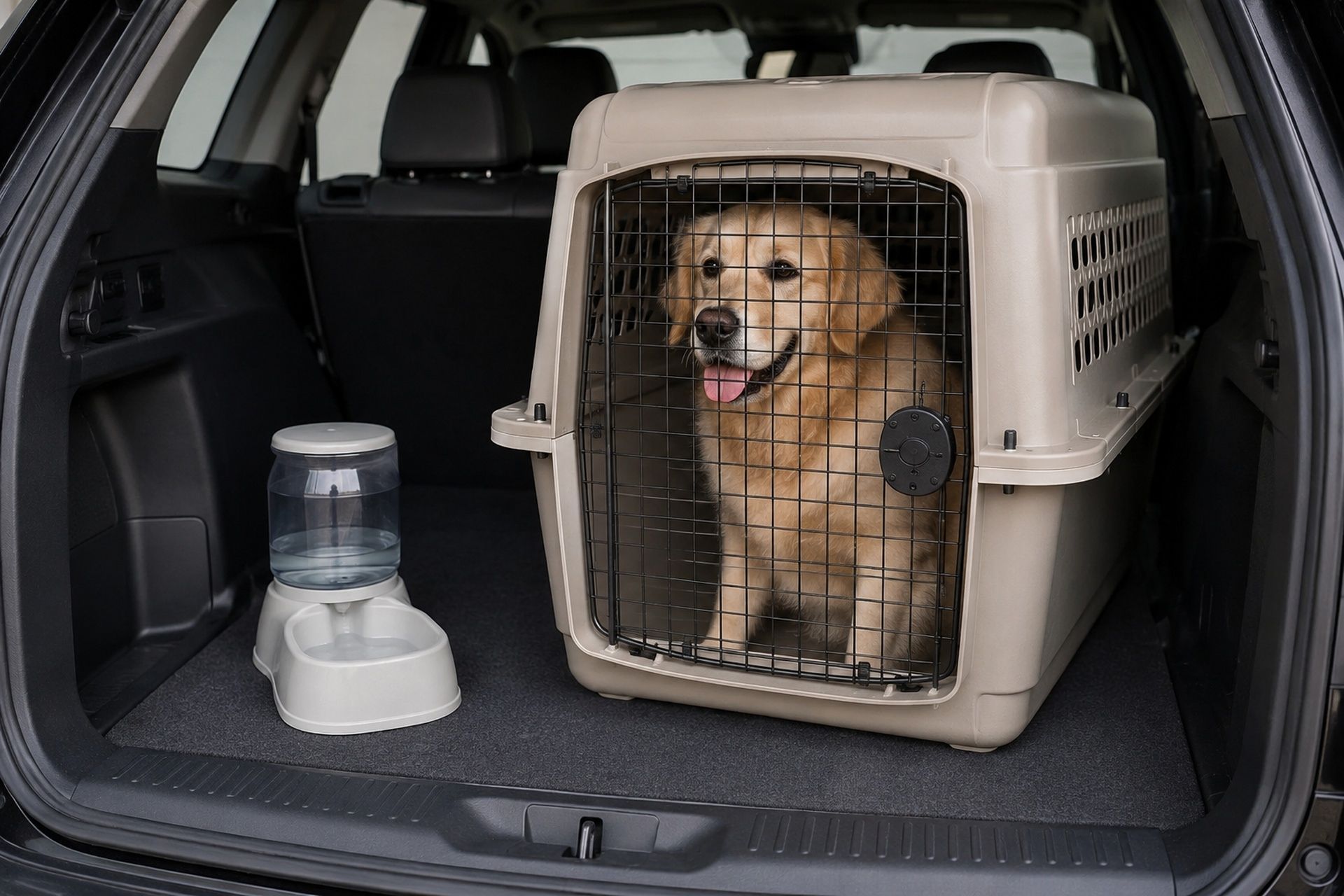
A commercial auto policy covers your vehicle, your liability to other drivers, and bodily injury. But here's the gap that catches people: commercial auto does not cover the animals inside your vehicle. If you brake hard and a crate shifts, injuring a dog, that's not a commercial auto claim. You need separate animal bailee coverage for that, which we'll get into below.
The price difference between personal and commercial auto in Connecticut typically runs $1,200 to $3,500 annually for a single vehicle, depending on your driving record and the vehicle type. That's money well spent when you consider that a single denied personal-policy claim could leave you personally liable for six figures.
Connecticut Department of Transportation Regulations
CT DOT requires commercial vehicle registration for any vehicle used in for-hire transport, and pet transport vehicles fall under this umbrella. You'll need to carry proof of insurance that meets the state's minimum commercial liability thresholds, which currently sit at $300,000 combined single limit for vehicles under 10,001 pounds.
Recent legislative activity has also put animal welfare during transport under closer scrutiny. Connecticut lawmakers have been considering bills that address animal transport standards, including temperature controls and confinement requirements that directly affect how transporters must outfit their vehicles - and by extension, what their insurance needs to cover.
If you're crossing state lines (and many CT transporters do, given the state's size), federal USDA regulations may also apply, particularly if you're transporting animals for commercial breeders or dealers. This adds another layer of compliance that your insurance program needs to account for.
Essential Coverage Types for CT Pet Transport Businesses
Getting the right coverage mix for a CT pet transportation operation means layering policies that each address a different risk. No single policy covers everything, and the most common mistake I see is operators who think their commercial auto policy is sufficient. It's not even close.
A well-structured insurance program for a pet transporter typically includes four to five distinct coverage types, each placed through specialty markets that understand animal-related risks. Agencies like Pet Professional Insurance Agency work with multiple specialty insurance markets specifically because pet transport risks don't fit neatly into standard commercial packages.
Animal Bailee and Care, Custody, or Control
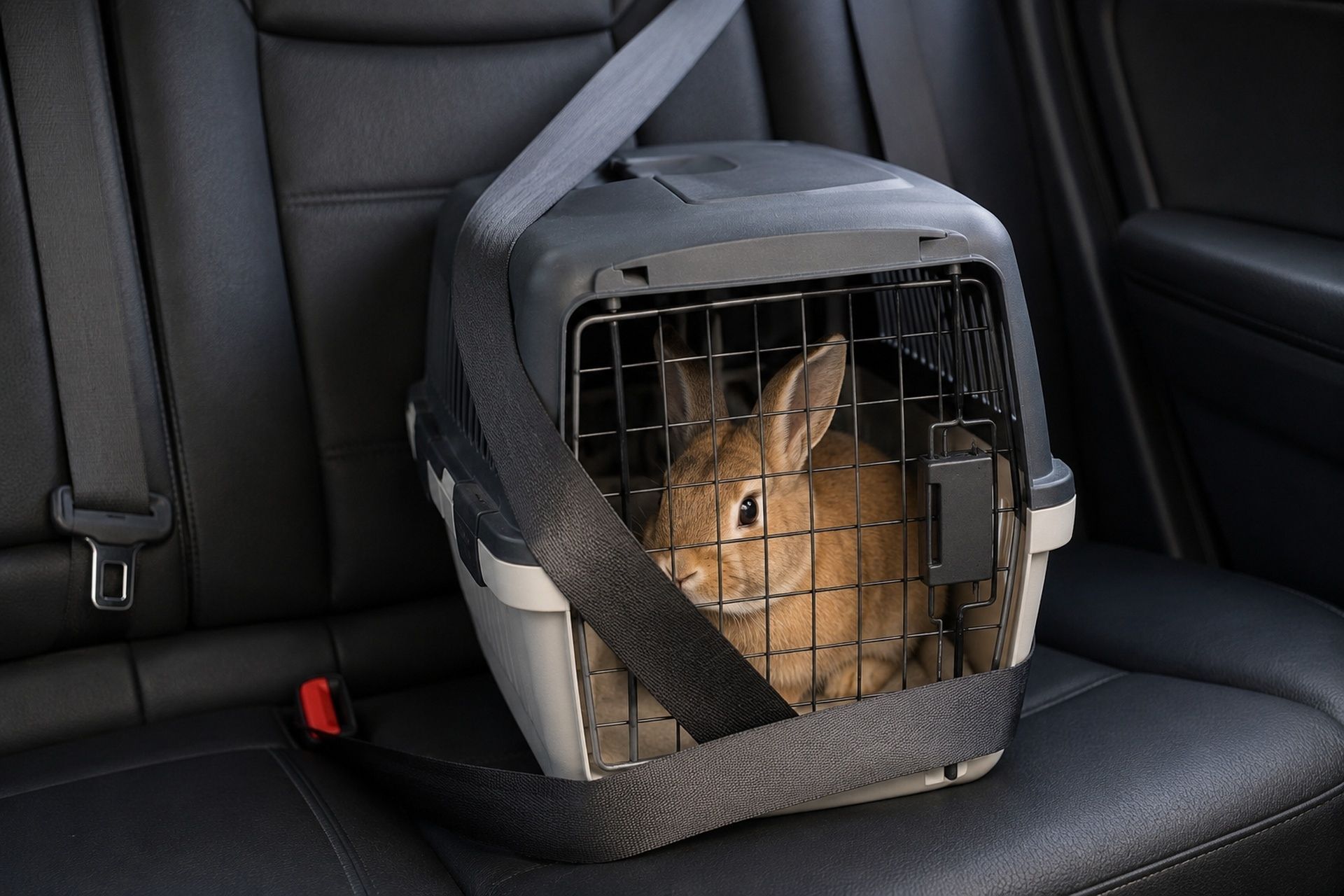
This is the coverage that protects you when an animal in your care is injured, becomes ill, or dies during transport. Standard general liability policies almost always exclude animals in your care, custody, or control - that's the exact language they use to deny claims.
Animal bailee coverage fills that gap. It pays for veterinary treatment if an animal is hurt during transit, and it covers the animal's value if it dies or must be euthanized due to a transport-related incident. Limits typically range from $5,000 to $25,000 per animal, with aggregate limits per occurrence.
Here's a real scenario: a temperature control failure in July causes heat stress in two dogs you're transporting. Emergency vet bills hit $8,000 combined. Without bailee coverage, that comes straight out of your pocket. With it, you file a claim and your policy responds. The annual premium for this coverage usually runs $400 to $1,200 depending on your volume and the animals you transport.
General Liability and Professional Errors
General liability covers third-party bodily injury and property damage. If a dog you're loading bites a bystander, or you back your van into a client's fence during pickup, GL responds. Connecticut courts have been increasingly willing to award significant damages in animal-related injury cases, so carrying minimum limits of $1,000,000 per occurrence is standard practice.
Professional liability, sometimes called errors and omissions, covers mistakes in your professional judgment. Did you accept an animal for transport that should have been flagged as medically unfit? Did you deliver a pet to the wrong address? These are professional errors that GL won't cover. Pet Professional Insurance Agency's intake process specifically asks about your transport protocols and animal screening procedures because these details directly affect your professional liability risk profile and premium.
Comparison of Coverage Tiers and Limits
| Coverage Type | Basic Tier | Standard Tier | Premium Tier |
|---|---|---|---|
| Commercial Auto Liability | $300K CSL | $500K CSL | $1M CSL |
| General Liability | $500K/$1M | $1M/$2M | $2M/$4M |
| Animal Bailee | $5K per animal | $10K per animal | $25K per animal |
| Professional Liability | Not included | $500K | $1M |
| Hired/Non-Owned Auto | Not included | Included | Included |
| Estimated Annual Cost (single vehicle) | $2,800 - $4,200 | $4,500 - $7,000 | $7,500 - $12,000 |
Most solo operators in Connecticut land in the Standard tier. The Basic tier leaves too many gaps, particularly the absence of professional liability and hired/non-owned auto coverage. The Premium tier makes sense for multi-vehicle operations or transporters handling high-value animals like show dogs or breeding stock.
One thing to keep in mind: these are rough ranges. Your actual premium depends heavily on the factors covered in the next section.
Factors Influencing Insurance Premiums in CT
Your premium isn't arbitrary. Underwriters evaluate specific risk factors that are unique to pet transport, and understanding them gives you real leverage during the application process - not to negotiate lower rates, but to present your operation in the most accurate light.
Vehicle Safety Standards and Modifications
Vehicles modified for pet transport - with climate control systems, secured crate mounts, ventilation upgrades, and non-slip flooring - generally receive more favorable underwriting treatment. These modifications reduce the likelihood of animal injury claims, which is the primary loss driver in pet transport insurance.
Connecticut's climate makes temperature control especially important. Summer heat and winter cold both create risk, and underwriters want to see redundant systems: backup generators for AC, temperature monitoring alarms, and documented maintenance schedules. If your vehicle is a stock minivan with no modifications, expect to pay 15-25% more than a competitor with a purpose-built transport vehicle.
Recent proposed legislation in Connecticut has focused on establishing minimum standards for animal transport vehicles, which could eventually make certain modifications mandatory rather than optional.
Radius of Operation and Interstate Travel
A transporter working exclusively within Connecticut has a simpler insurance profile than one running routes to New York, Massachusetts, or beyond. Interstate operations trigger additional regulatory requirements and increase your exposure to claims in multiple jurisdictions.
Underwriters typically classify operations by radius: local (under 50 miles), regional (50-200 miles), and long-haul (200+ miles). Each step up in radius adds roughly 10-20% to your premium. Connecticut's geographic position in the Northeast corridor means many transporters naturally cross state lines, so be upfront about your actual operating radius. Underreporting it can void your coverage entirely if a claim occurs outside your declared territory.
Common Questions About Insuring Your Pet Transport Business
Do I need insurance if I only transport pets part-time? Yes. Connecticut doesn't distinguish between full-time and part-time commercial operations. If you're accepting payment to transport animals, you need commercial coverage regardless of how many trips you make per month.
Will my homeowner's policy cover a pet transport business I run from home? No. Homeowner's policies exclude commercial activities. You need standalone commercial coverage even if your "office" is your kitchen table and your vehicle is parked in your driveway.
Can I bundle pet transport insurance with other pet business coverage? Often, yes. If you also offer pet sitting, boarding, or grooming, a specialty agency can typically bundle multiple coverage types into a single program. Pet Professional Insurance Agency handles this regularly for clients who operate across multiple pet-care verticals.
How quickly can I get coverage in place? Through specialty markets, most operators can receive a response within 24-48 hours of submitting a completed application. Binding coverage the same week is common for straightforward operations.
Does my insurance cover animals that die from pre-existing conditions during transport? Generally, no. Animal bailee coverage applies to injuries or deaths caused by transport-related incidents. If an animal with an undisclosed heart condition dies during a trip, the claim will likely be denied. This is why intake screening and requiring veterinary health certificates matters.
Am I liable if an animal escapes during pickup or delivery?
Yes, and this is one of the most common claims in pet transport. Your general liability and bailee coverage should both respond, but the specifics depend on your policy terms and the circumstances of the escape.
Protecting Your Business and Your Passengers
Getting insurance right for a Connecticut pet transport operation isn't about checking a box. It's about building a foundation that lets you operate confidently, knowing that the inevitable bad day won't end your business. Animals are unpredictable, weather is unpredictable, and other drivers on I-95 are definitely unpredictable.
The operators who thrive long-term are the ones who invest in proper vehicle modifications, maintain clean driving records, carry appropriate coverage limits, and work with agents who actually understand animal-related risks. A generalist insurance agent will miss critical gaps in your coverage because they don't know what questions to ask.
If you're launching a pet transport service or reviewing your current coverage, reach out to a specialty agency that works exclusively with pet-care businesses. The right agent will walk through your specific operation, identify your actual exposures, and build a program that fits - without overselling coverage you don't need or leaving gaps that could cost you everything.
Index
Pet Professional Insurance Agency is fully licensed and permitted to provide commercial insurance solutions for pet businesses across 12 states.
We proudly serve pet professionals throughout the Northeast, Mid-Atlantic, and Southeast. Powered by Joyce Insurance Agency, our team works with leading specialty carriers — including The Hartford, USLI, Nautilus, and Northland — to make sure veterinarians, groomers, boarding facilities, and pet-care businesses receive coverage that fits their real risks in Connecticut, Delaware, Georgia, Kentucky, Massachusetts, New Jersey, New York, North Carolina, Pennsylvania, South Carolina, Tennessee, and Virginia.
About the author
Barnaby Joyce
Founder, Pet Professional Insurance Agency · Licensed Insurance Producer
I started Pet Professional Insurance Agency because I watched pet businesses get handed generic policies that never fit. After years of placing coverage for veterinary practices, grooming salons, doggy daycares, and kennels through a generalist agency, I saw the same gaps over and over — and the same blank stares when an owner tried to explain care, custody, and control to an agent who had never insured an animal in their life.
So I built an agency that does one thing. I work directly with specialty carriers who actually want pet-industry risk, and I sit down with every client personally. You will not get a call center or a chatbot. You will get someone who already speaks your language and shops the market on your behalf. That is the whole idea.
Recommended coverages
Coverages that pair with general liability.
Most pet businesses build on general liability with the lines below. Explore each — every page cross-links to the
industries we serve.

Services & advice
Professional Liability / E&O
Covers claims tied to your professional services and advice — clinical care, training guidance, and the judgment calls you make daily.
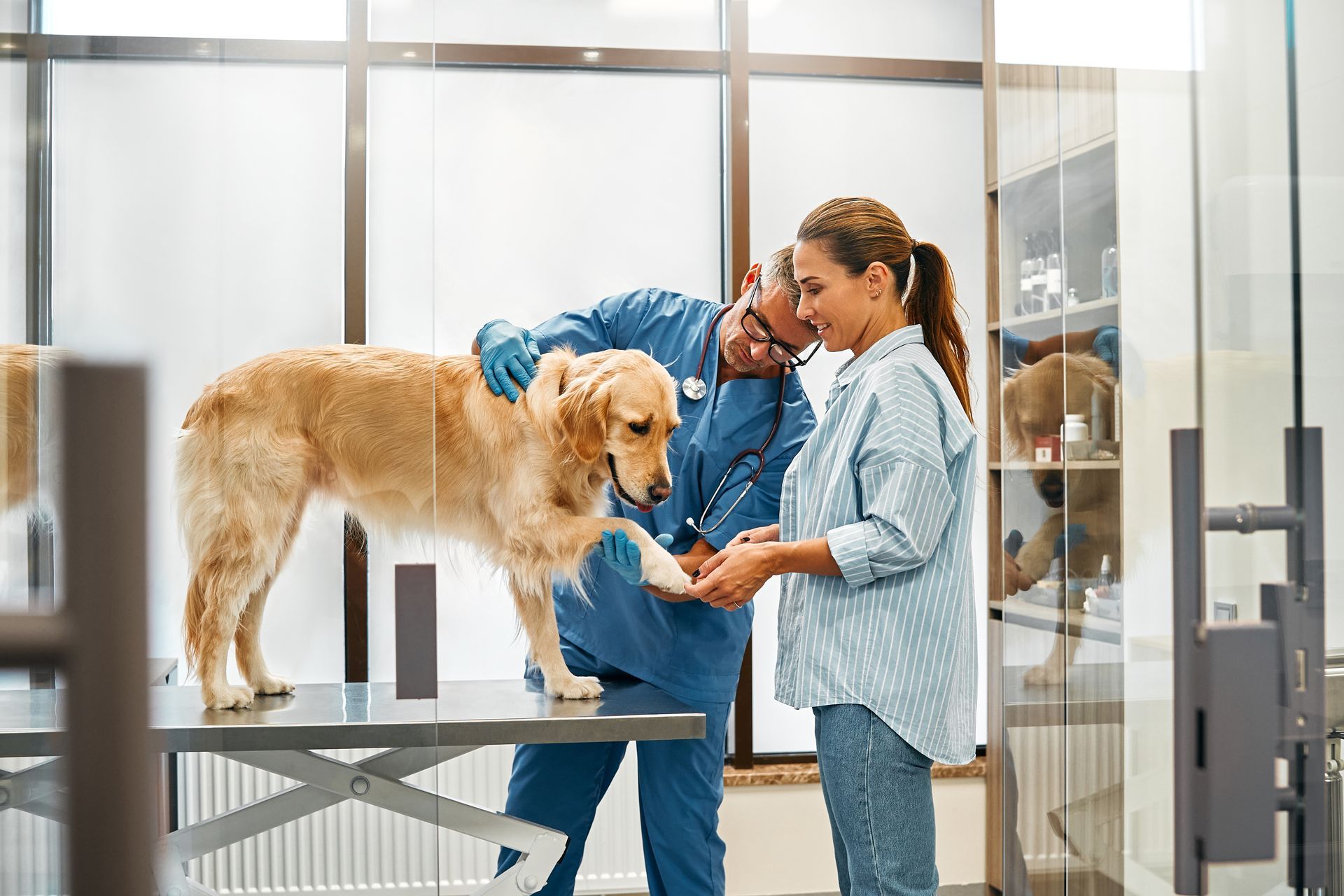
The pet-industry gap
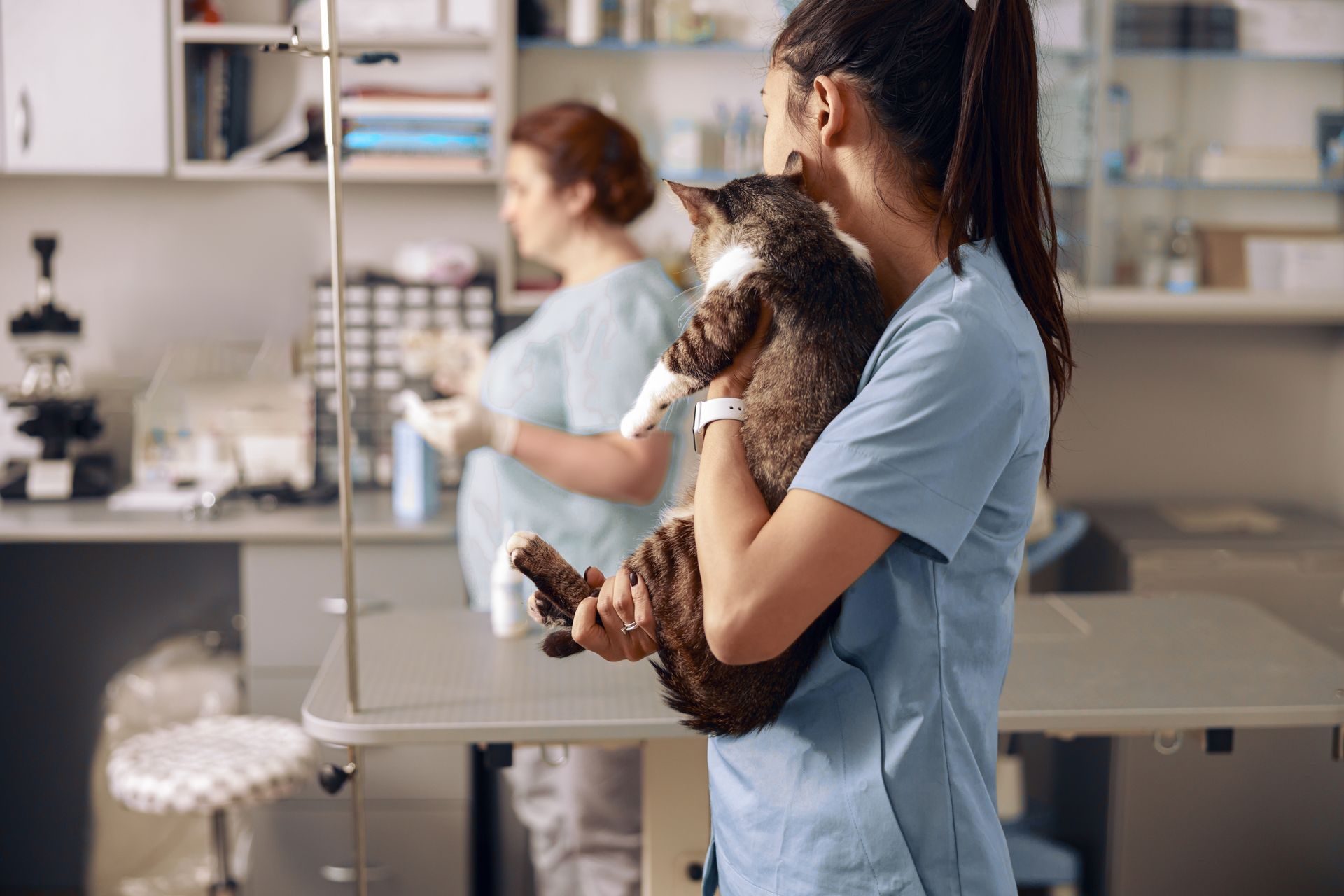
Care, Custody & Control
Covers the animals in your charge against injury, illness, or loss — the critical exposure standard liability policies leave out.
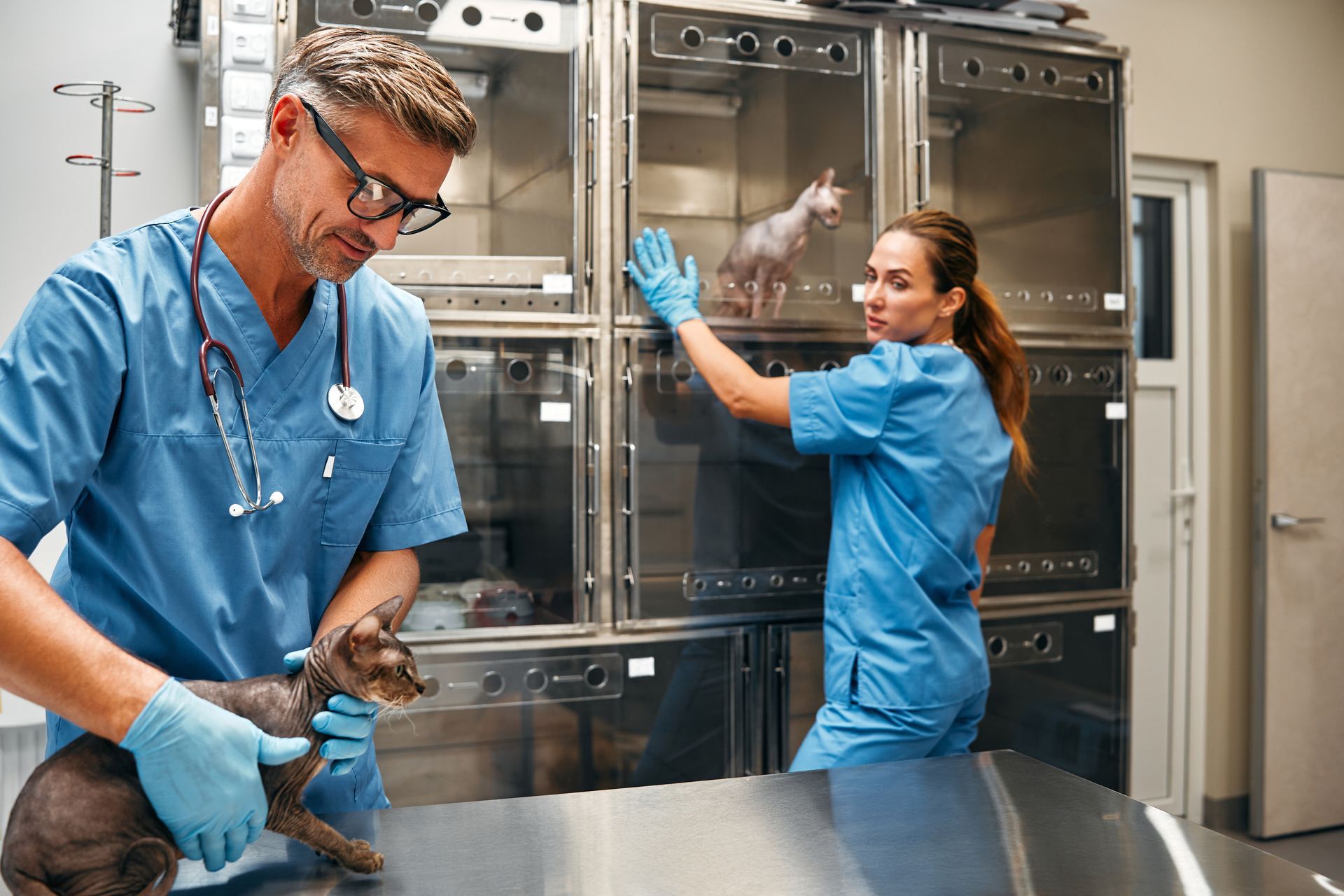
Bundled & cost-effective
Business Owners Policy (BOP)
Bundles property and general liability into one package built for small to mid-sized pet businesses — often the simplest base.
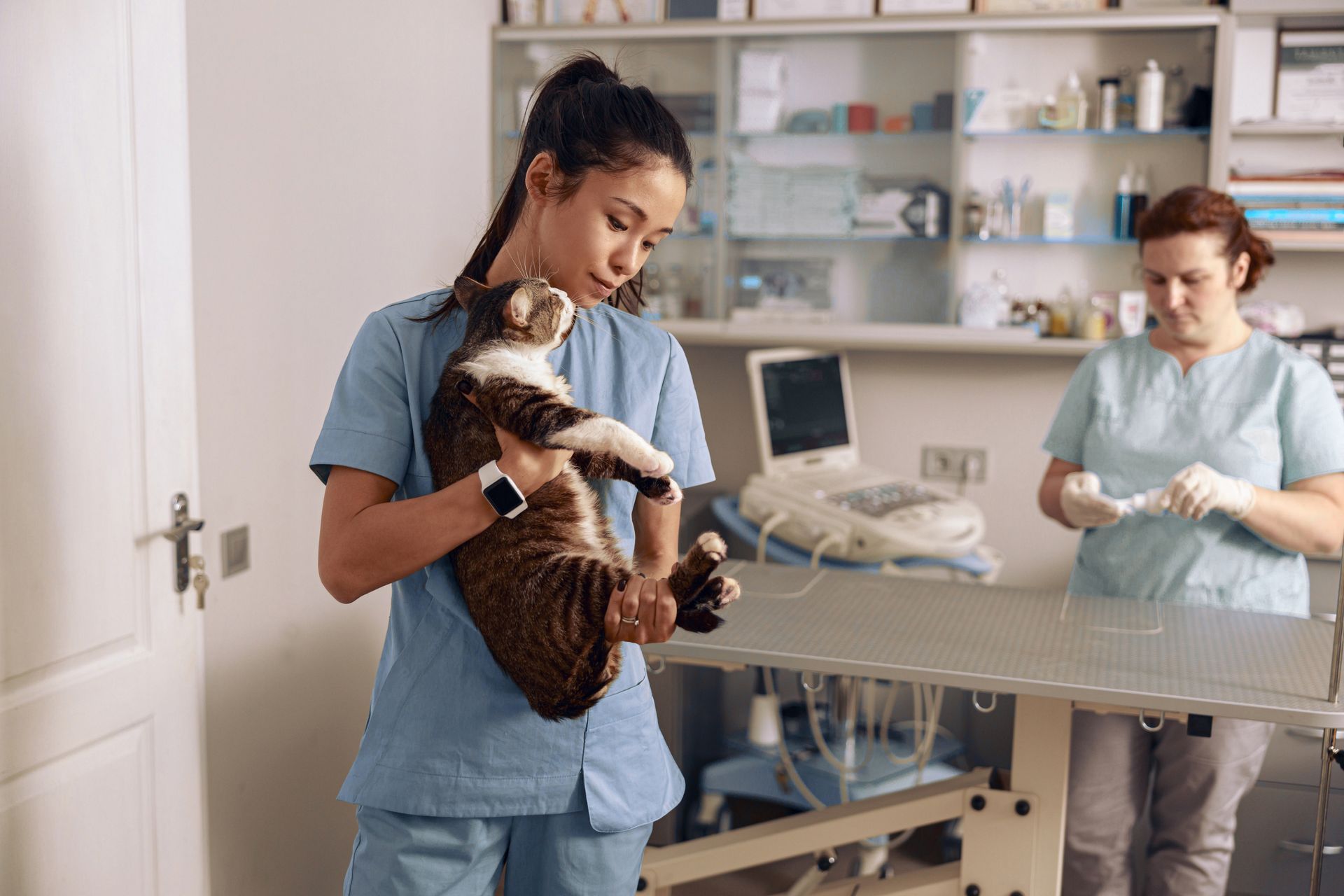
Your building & contents
Commercial Property
Protects your building, build-out, equipment, and inventory against fire, theft, and covered losses — front desk to back room.
For your team
Workers’ Compensation
Covers medical costs and lost wages when a team member is hurt on the job — required in most states once you have employees.
Extra protection
Commercial Umbrella
Adds liability limits above your primary policies for catastrophic claims that exceed standard coverage.
Coverage availability and terms vary by carrier and state. We recommend the right mix for your operation once we talk.
Industries we serve
Built for the businesses that care for animals.
General liability is the baseline for every segment we specialize in. Find the page built for your business.
Clinical · high exposure
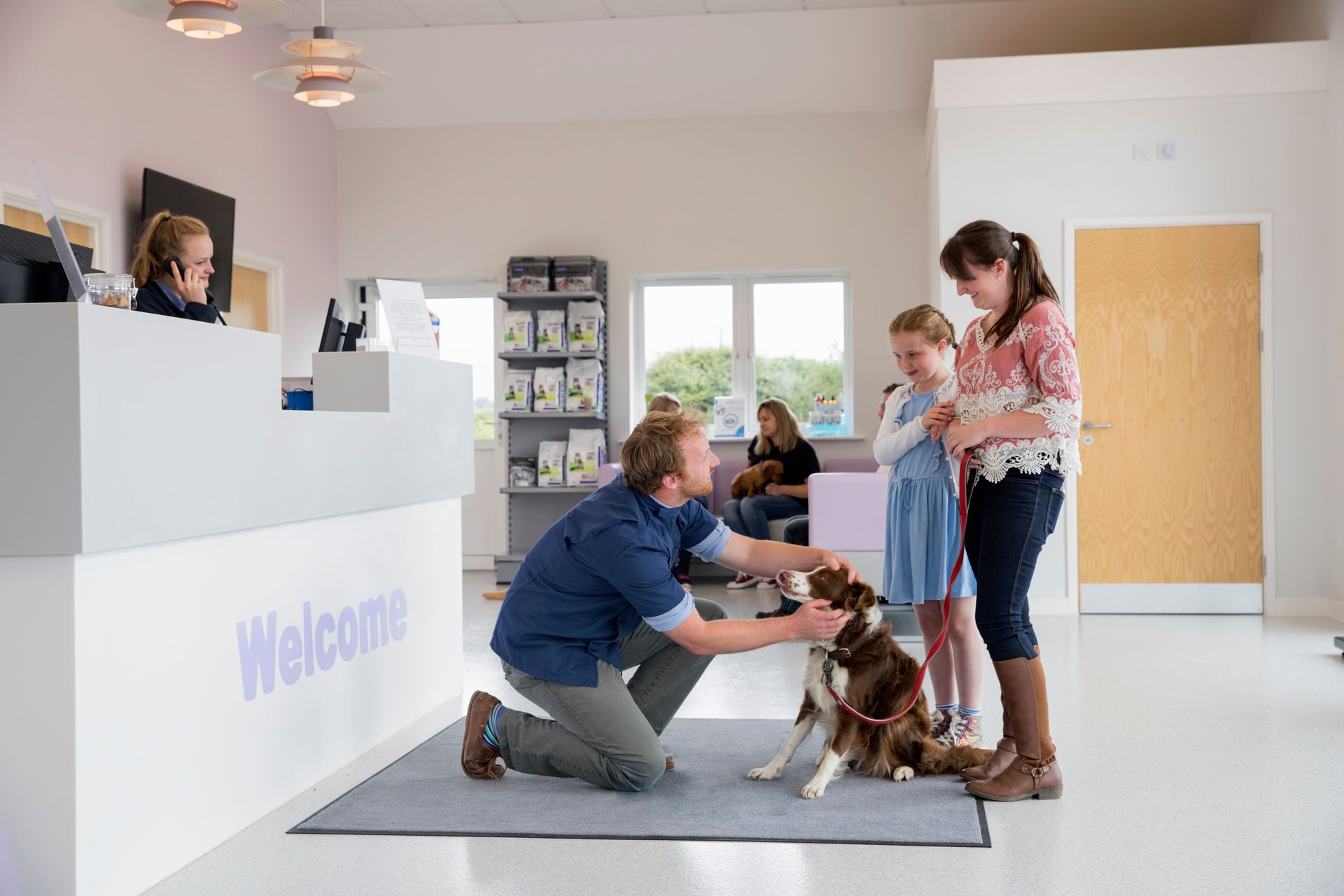
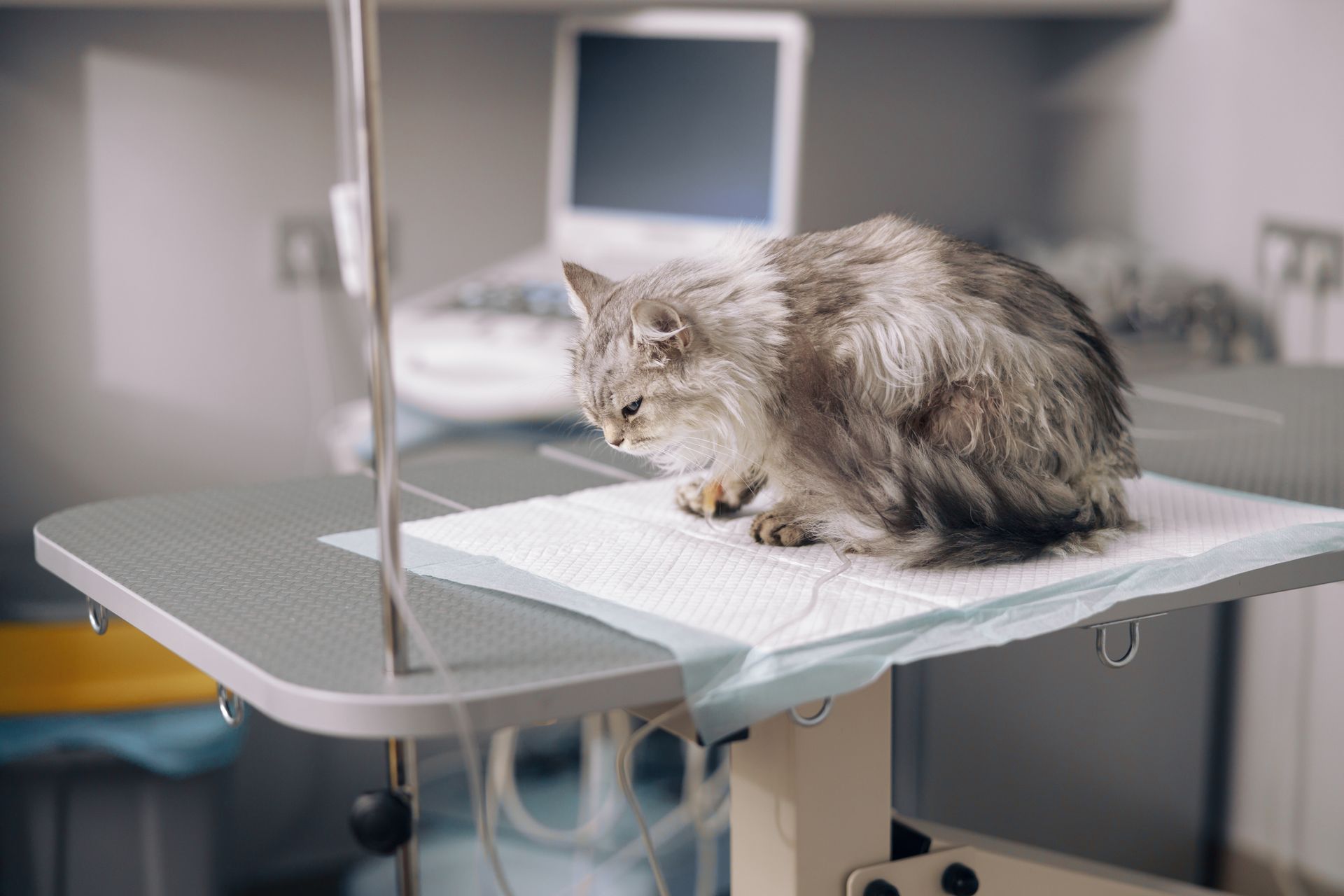
Veterinarians & Animal Hospitals
Professional and general liability, property, and workers’ comp for clinical operators with high exposure.
Hands-on · small business
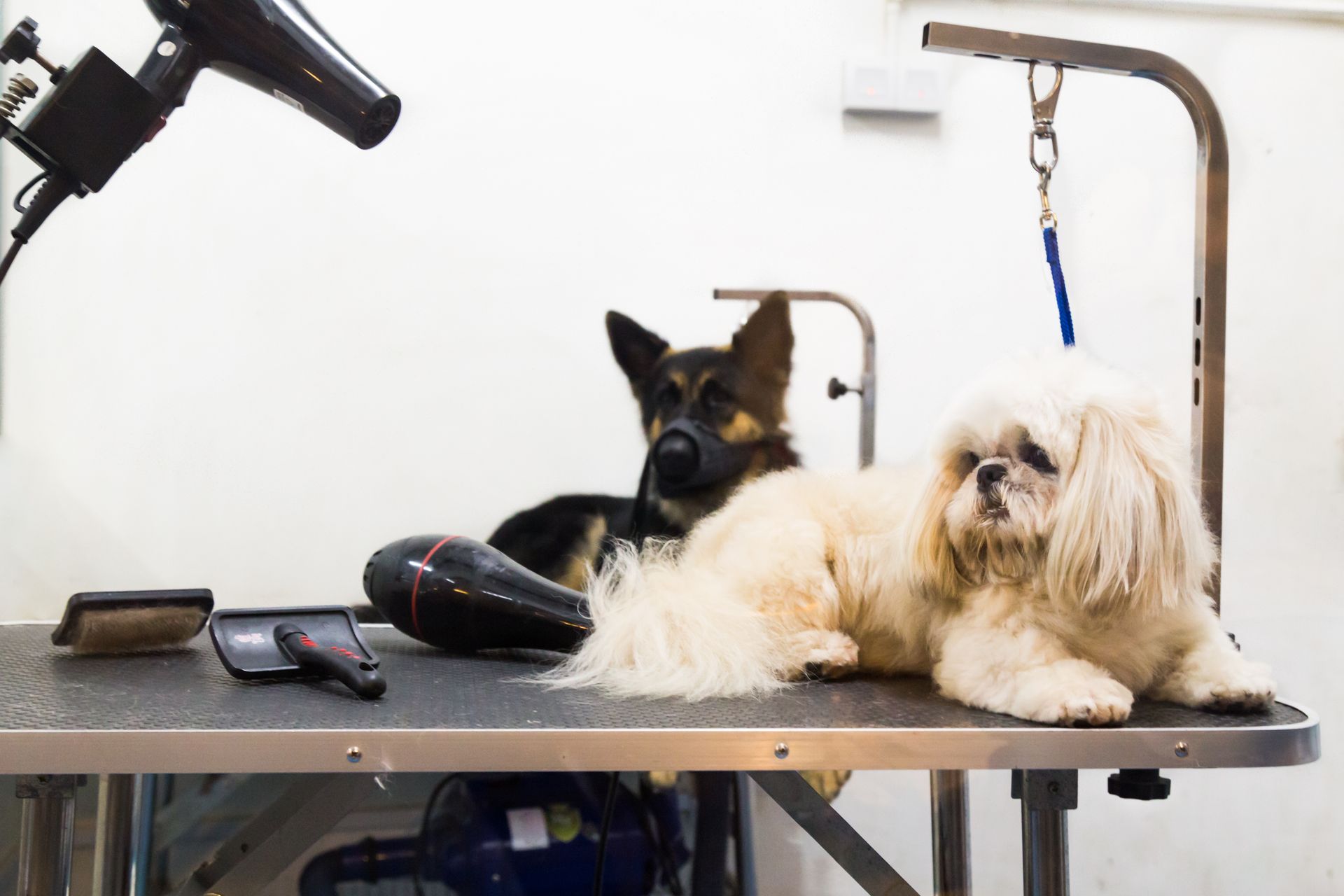
Pet Groomers
Practical protection for animal handling, equipment, and the day-to-day of the grooming table, shop or mobile.

Safety-forward · overnight
Doggy Daycare & Boarding
Coverage matched to facilities responsible for animals overnight and all day long.
Our reviews
Trusted by pet professionals.
See what owners say about working with a specialist who already understands their business.
Frequently asked
Questions pet pros ask us.
What kinds of pet businesses do you insure?
We insure businesses across the animal-care industry — veterinarians and animal hospitals, groomers, doggy daycares and boarding facilities, kennels and trainers, pet sitters and dog walkers, and pet stores. We also cover breeders, equine operations, pet transporters, shelters and rescues, pet photographers, and aquariums or wildlife facilities.
If your work involves caring for, handling, or selling animals, there is a strong chance we cover it. Tell us what you do and we will confirm.
What is care, custody, and control coverage, and why does it matter?
Care, custody, and control coverage protects you when an animal in your charge is injured, becomes ill, or is lost while in your care. Standard general liability policies often exclude this exact exposure, which leaves a serious gap for pet businesses.
For groomers, boarders, sitters, and clinics, this is one of the most important coverages you can carry. We make sure it is in place and sized to your operation.
How is an independent agency different from buying direct from a carrier?
A direct carrier sells you its own single policy. As an independent agency, we shop multiple specialty insurers and compare programs to find the coverage that fits your business and budget.
That means you get options instead of one quote, and an advocate who works for you, not the carrier. We also handle the renewals and claims support over the life of your policy.
How fast can I get a quote?
Most clients get quoted within one business day. Our industry-specific intake forms collect the right details up front, so we can take your information straight to the carriers without a long back-and-forth.
Need it sooner? Call a specialist directly at (346) 738-7297 and we will move quickly.
Which states do you serve?
We are licensed and actively writing coverage in 12 states: Connecticut, Delaware, Georgia, Kentucky, Massachusetts, New Jersey, New York, North Carolina, Pennsylvania, South Carolina, Tennessee, and Virginia.
We continue to add states as we grow. If you operate outside this list, reach out and we will let you know our latest footprint.
From the blog
Coverage notes for pet professionals.
Plain-language risk tips and coverage explainers, written for owners — not insurance pros.
Speak with a specialist
Let's find the right coverage for your business.
No quote bots, no funnel. Talk to a real pet-insurance specialist who already understands your operation — and shops multiple markets on your behalf.
Call us
(346) 738-7297
Toll-free 845-250-5366
Email
service@petindustryins.com
Visit Us
2 Joyce Plaza
Stony Point, NY 10980