Coverage for veterinary practices
New York Animal Rescue Insurance
Running an animal rescue in New York means dealing with unpredictable animals, emotional adopters, volunteer injuries, and regulatory scrutiny, often on a shoestring budget. A single dog bite at an adoption event or a slip-and-fall at your facility can threaten years of work. Most rescue founders pour everything into saving animals but put off the insurance conversation until something goes wrong. That's a mistake that can cost you your organization.
New York has tightened its oversight of shelters and rescues significantly in recent years, and the state expects compliance with licensing, care standards, and employment laws. Insurance isn't just a nice-to-have; it's the financial backbone that keeps your doors open when things go sideways. Whether you're a foster-based rescue operating out of volunteers' homes or a brick-and-mortar shelter with paid staff, the coverage you need depends on your specific operations, the animals you handle, and how New York law applies to your setup.
This piece breaks down the insurance requirements, coverage options, and real cost factors that matter for animal rescue operations across New York State. Laws vary by jurisdiction and change frequently, so always consult a qualified attorney for legal guidance specific to your situation.
Understanding NY Legal Requirements for Animal Rescues
New York's regulatory environment for animal rescues has shifted considerably. The Companion Animal Care Standards Act brought new licensing requirements and care standards that directly affect your insurance needs. Every rescue needs to understand what the state demands before figuring out what coverage to carry.
Non-compliance doesn't just mean fines. It can mean losing your ability to operate, which makes your insurance policies worthless if you can't legally run your rescue in the first place. The state has been actively enforcing these rules, and inspections are real.
New York State Department of Agriculture and Markets Regulations
All New York animal shelters and rescue groups are now required to obtain an annual operating license for a fee of $150. This licensing requirement applies whether you operate from a physical facility or run a foster-network model. The Department of Agriculture and Markets oversees this process and conducts inspections to verify compliance with care standards.
The law established specific standards for housing, veterinary care, and recordkeeping that rescues must follow. Your insurance carrier will want to know you're in compliance because violations can void coverage or trigger policy exclusions. Keep your license current and your inspection records accessible; insurers often ask for this documentation during underwriting.
One thing many rescue operators miss: the licensing requirement creates an implicit standard of care. If an animal in your custody injures someone and you're operating without a valid license, you've just handed the plaintiff's attorney a powerful argument about negligence.
Workers' Compensation and Disability for Nonprofits
New York is one of the strictest states for workers' compensation requirements. If your rescue has even one paid employee, you need workers' comp coverage. There's no small-employer exemption for nonprofits in New York. Penalties for non-compliance include fines of up to $2,000 per 10-day period and potential criminal charges.
New York's weekly workers' compensation benefits continue to increase annually, which means premium costs trend upward too. For rescues with paid animal care staff, kennel workers, or administrative employees, this is a significant budget line item.
Volunteers present a gray area. New York doesn't require workers' comp for volunteers, but some rescues choose to carry volunteer accident coverage anyway. A volunteer bitten by a frightened dog or injured lifting heavy supplies has limited recourse without it, and lawsuits from injured volunteers are more common than you'd think.
Core Coverage Types for New York Rescue Operations
Getting the right mix of coverage matters more than just buying a generic policy. Rescue operations face risks that standard business insurance doesn't address well.
General Liability vs. Professional Liability
General liability covers third-party bodily injury and property damage: someone slips on your wet floor, a dog bites a visitor, or your rescue event damages a rented venue. Most landlords, event venues, and municipal adoption partners will require you to carry at least $1 million per occurrence.
Professional liability (sometimes called errors and omissions) covers claims arising from your professional judgment. Did you adopt out an animal with a known behavioral issue without disclosure? Did you provide medical advice about an animal that turned out to be wrong? These claims fall under professional liability, not general liability.
| Coverage Type | What It Covers | Common Claim Example | Typical Minimum Limit |
|---|---|---|---|
| General Liability | Third-party injury, property damage | Dog bites adopter at event | $1M per occurrence |
| Professional Liability | Errors in professional judgment | Failure to disclose known aggression | $1M per occurrence |
| Animal Bailee | Animals in your care/custody | Injury or death of fostered animal | Varies by animal count |
| D&O | Board member decisions | Alleged misuse of donated funds | $500K-$1M |
Animal Bailee and Veterinary Expense Coverage
This is where rescue-specific insurance diverges from standard business policies. Animal bailee coverage, sometimes called care, custody, and control coverage, protects you when animals in your care are injured, become ill, or die. Standard general liability policies typically exclude animals in your custody, which is a massive gap for any rescue.
Veterinary expense coverage helps pay for emergency medical treatment when animals in your care need it. Some policies bundle this with bailee coverage; others offer it as a separate endorsement. The distinction matters because animal keeper insurance programs are specifically designed for organizations that house and handle animals, unlike generic commercial policies.
Pet Professional Insurance Agency works with multiple specialty insurance markets that understand these risks. Their intake forms are tailored specifically to rescue operations, so you're not trying to fit your organization into a policy designed for a retail store.
Directors and Officers (D&O) Protection
If your rescue is a registered nonprofit with a board of directors, D&O coverage isn't optional in any practical sense. Board members can be personally sued for decisions they make on behalf of the organization: alleged mismanagement of funds, wrongful termination of employees, failure to comply with state regulations, or even disputes about which animals receive medical care.
Most qualified board members won't serve without D&O coverage in place. Losing experienced board members because you lack this protection creates governance problems that compound over time. Policies typically start around $500,000 in coverage, and costs for small nonprofits are often surprisingly affordable, sometimes under $1,000 annually.
Comparison of Coverage Tiers for Small and Large Rescues
Not every rescue needs the same level of coverage. A foster-only rescue with 20 animals and no facility has different risks than a shelter handling 500 animals annually with paid staff and a physical location.
| Factor | Small/Foster-Based Rescue | Large Shelter Operation |
|---|---|---|
| General Liability | $1M/$2M aggregate | $1M/$2M+ with umbrella |
| Animal Bailee | Lower limits, fewer animals | Higher limits, broader coverage |
| Workers' Comp | Often not needed (volunteer-only) | Required for all paid staff |
| D&O Coverage | Recommended if incorporated | Essential with active board |
| Property Coverage | Minimal (no owned facility) | Significant building/contents |
| Annual Premium Range | $800 - $2,500 | $3,500 - $12,000+ |
| Umbrella Policy | Rarely needed | Strongly recommended |
Small rescues often make the mistake of skipping coverage entirely because premiums feel high relative to their budget. But a single liability claim can exceed $50,000 easily, which would bankrupt most small organizations. Even a basic general liability and animal bailee package provides meaningful protection.
Larger operations should consider umbrella policies that extend coverage beyond underlying policy limits. New York juries are known for generous damage awards, and a $1 million general liability limit may not be enough if a serious bite injury occurs at your facility.
Factors Influencing Insurance Costs in New York
New York is one of the more expensive states for commercial insurance across the board. Rescue operations face additional cost factors that are unique to the animal care sector.
Impact of Foster Care Networks on Premiums
Foster-based rescues present interesting underwriting challenges. Animals are housed in private homes across multiple locations, which spreads risk geographically but also makes oversight harder. Insurers want to know how you screen foster homes, what training you provide, and whether foster families sign liability waivers.
A well-documented foster program with clear protocols can actually help your premiums. Insurers reward risk management. If you can show written foster agreements, home check procedures, and behavioral assessment protocols for animals before placement, you're demonstrating the kind of operational discipline that underwriters appreciate. Pet Professional Insurance Agency's agents understand these nuances because they work exclusively with pet-industry clients and can help you present your operation in the strongest light.
High-Risk Breeds and Bite History Considerations
This is the elephant in the room for many rescues. If your organization takes in breeds commonly associated with bite incidents, such as pit bulls, Rottweilers, or German Shepherds, expect underwriting scrutiny. Some insurance markets won't cover rescues that handle these breeds at all.
New York doesn't have statewide breed-specific legislation, and recent legislative efforts have actually moved toward preventing breed discrimination. But insurance markets set their own rules. Your bite history matters enormously: even one documented bite incident can increase premiums by 20-40% or trigger non-renewal.
Rescues that implement behavioral assessments before adoption and require meet-and-greets tend to have fewer claims. Document everything. If a dog shows any aggression during evaluation, note it in writing. That paper trail protects you if a claim arises later.
Common Questions About Rescue Insurance
Does my homeowner's insurance cover foster animals? Almost certainly not. Most homeowner's policies exclude business activities and animals not owned by the policyholder. You need a separate commercial policy for rescue operations, even foster-based ones.
Can I get insurance if we take in exotic animals? Yes, but your options narrow significantly. Exotic animal coverage requires specialty markets, and premiums will be higher. Reptiles, birds, and small mammals are easier to insure than large exotics.
Do we need insurance for adoption events at pet stores or parks? Yes. Most venues require you to provide a certificate of insurance naming them as an additional insured. Your general liability policy should allow you to add additional insureds as needed.
What happens if a volunteer is bitten while handling a rescue animal? Without volunteer accident coverage, the volunteer may file a claim against your general liability policy or sue the organization directly. Volunteer accident coverage provides medical payments without a lawsuit.
How quickly can we get coverage in place? Through agencies that specialize in pet-industry insurance, like Pet Professional Insurance Agency, most rescues hear back within 24-48 hours. Standard commercial insurers unfamiliar with animal operations often take weeks and may decline to offer terms.
Are we covered if an adopted animal bites someone after adoption? This depends on your policy and the circumstances. If you knew about aggressive tendencies and failed to disclose them, you could face a professional liability claim. Proper disclosure and adoption agreements are your first line of defense.
Protecting Your Organization's Future
Insurance for NY animal rescue operations isn't a one-time purchase you can forget about. Your coverage needs to evolve as your organization grows, takes in different species, expands foster networks, or hires staff. Review your policies annually, ideally with an agent who understands the pet-care industry and can spot gaps before they become claims.
The combination of New York's strict employment laws, new licensing requirements, and the inherent unpredictability of working with animals means that going without proper coverage is a gamble no rescue can afford. The animals you save depend on your organization surviving the unexpected.
Index
Pet Professional Insurance Agency is fully licensed and permitted to provide commercial insurance solutions for pet businesses across 12 states.
We proudly serve pet professionals throughout the Northeast, Mid-Atlantic, and Southeast. Powered by Joyce Insurance Agency, our team works with leading specialty carriers — including The Hartford, USLI, Nautilus, and Northland — to make sure veterinarians, groomers, boarding facilities, and pet-care businesses receive coverage that fits their real risks in Connecticut, Delaware, Georgia, Kentucky, Massachusetts, New Jersey, New York, North Carolina, Pennsylvania, South Carolina, Tennessee, and Virginia.
About the author
Barnaby Joyce
Founder, Pet Professional Insurance Agency · Licensed Insurance Producer
I started Pet Professional Insurance Agency because I watched pet businesses get handed generic policies that never fit. After years of placing coverage for veterinary practices, grooming salons, doggy daycares, and kennels through a generalist agency, I saw the same gaps over and over — and the same blank stares when an owner tried to explain care, custody, and control to an agent who had never insured an animal in their life.
So I built an agency that does one thing. I work directly with specialty carriers who actually want pet-industry risk, and I sit down with every client personally. You will not get a call center or a chatbot. You will get someone who already speaks your language and shops the market on your behalf. That is the whole idea.
Recommended coverages
Coverages that pair with general liability.
Most pet businesses build on general liability with the lines below. Explore each — every page cross-links to the
industries we serve.
Services & advice
Professional Liability / E&O
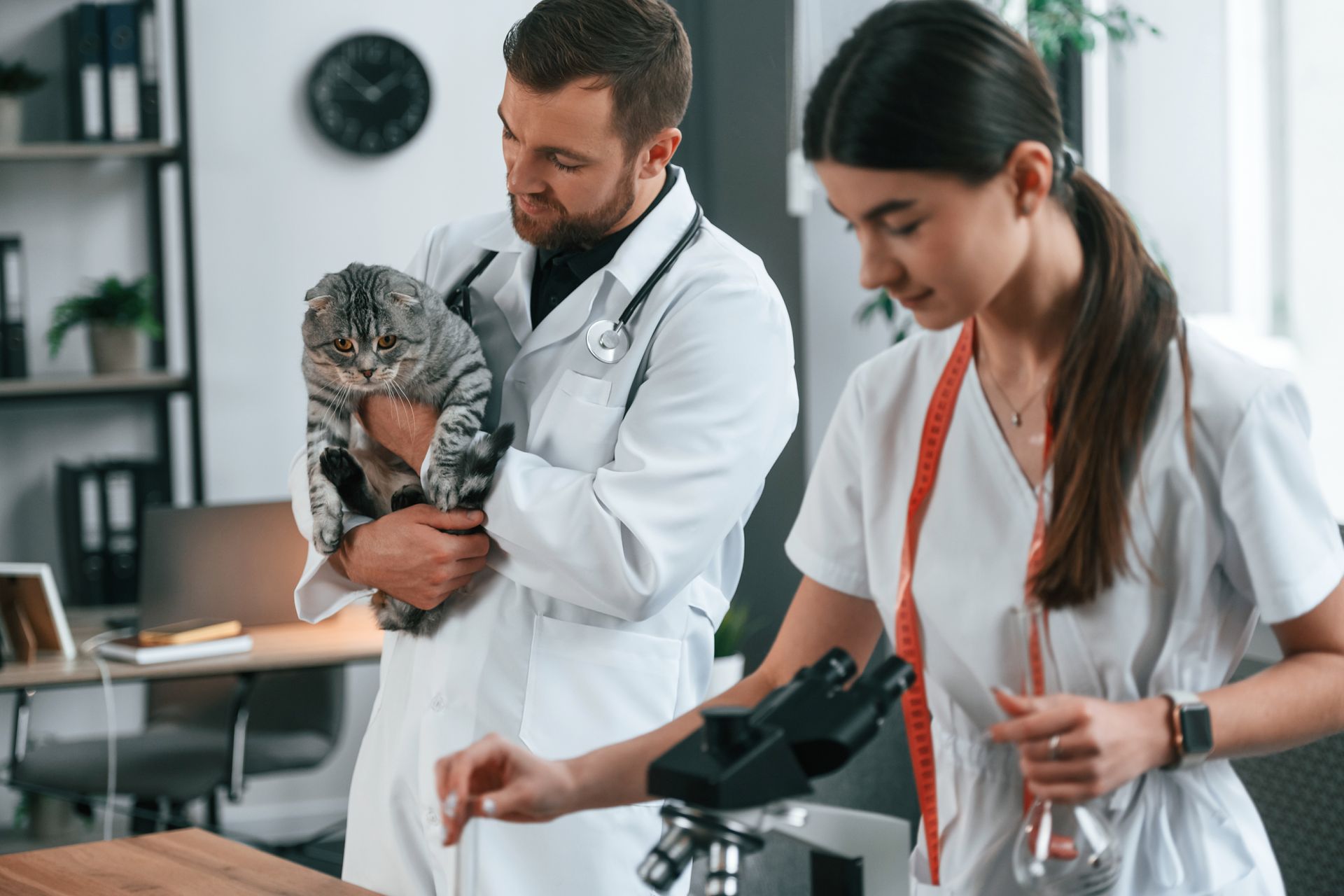
Covers claims tied to your professional services and advice — clinical care, training guidance, and the judgment calls you make daily.
The pet-industry gap
Care, Custody & Control
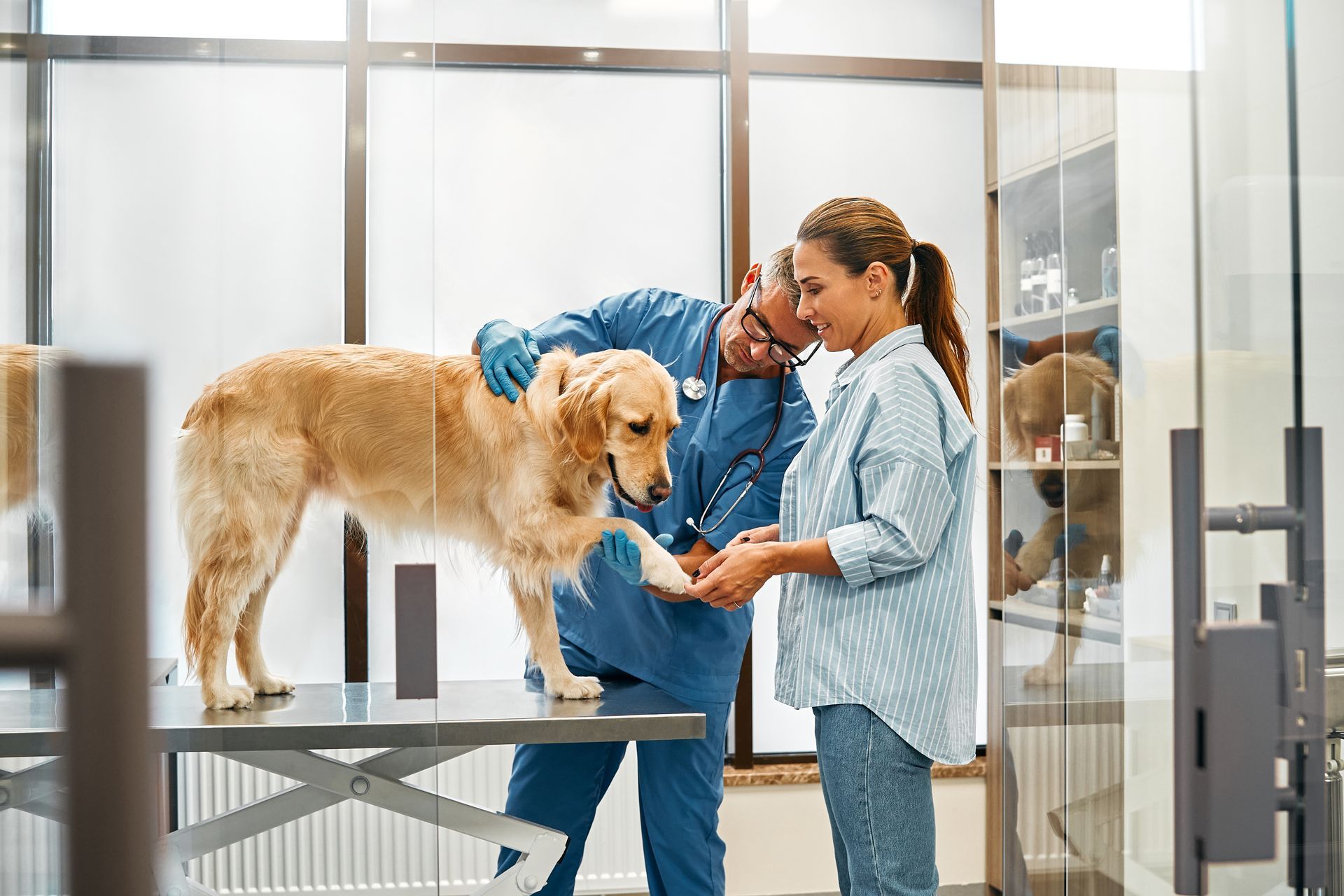
Covers the animals in your charge against injury, illness, or loss — the critical exposure standard liability policies leave out.
Bundled & cost-effective
Business Owners Policy (BOP)
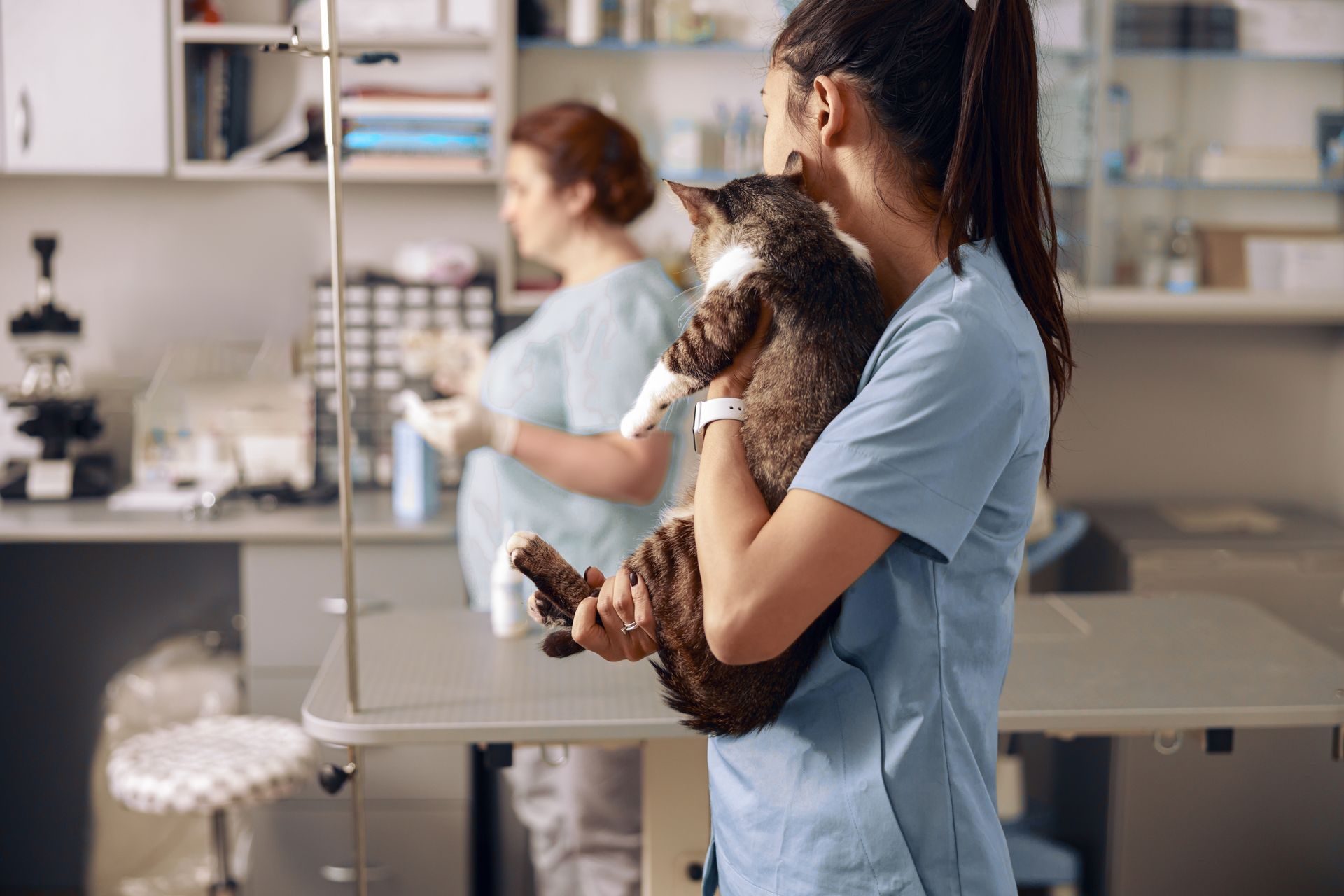
Bundles property and general liability into one package built for small to mid-sized pet businesses — often the simplest base.
Your building & contents
Commercial Property
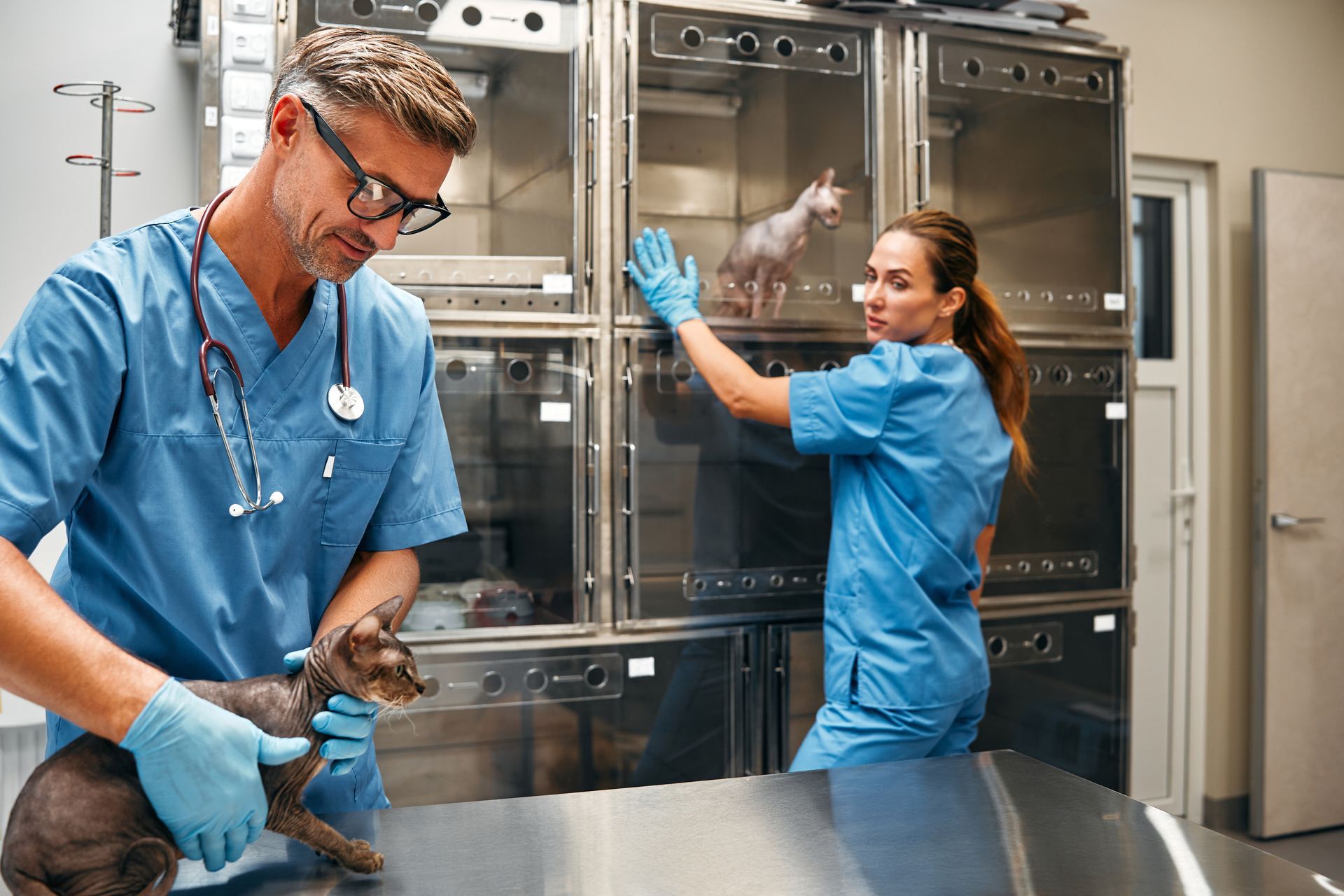
Protects your building, build-out, equipment, and inventory against fire, theft, and covered losses — front desk to back room.
For your team
Workers’ Compensation
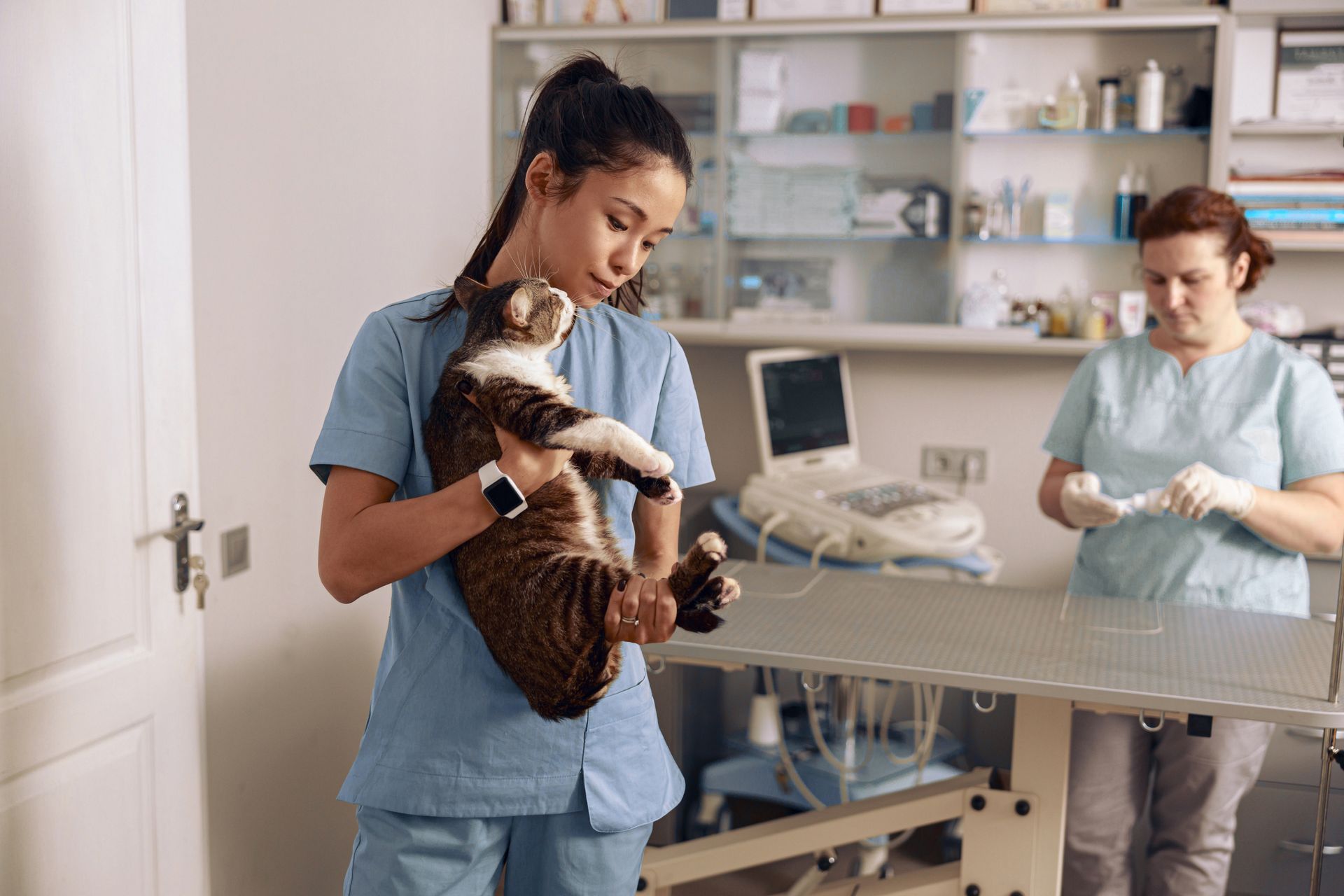
Covers medical costs and lost wages when a team member is hurt on the job — required in most states once you have employees.
Extra protection
Commercial Umbrella
Adds liability limits above your primary policies for catastrophic claims that exceed standard coverage.
Coverage availability and terms vary by carrier and state. We recommend the right mix for your operation once we talk.
Industries we serve
Built for the businesses that care for animals.
General liability is the baseline for every segment we specialize in. Find the page built for your business.
Clinical · high exposure
Veterinarians & Animal Hospitals
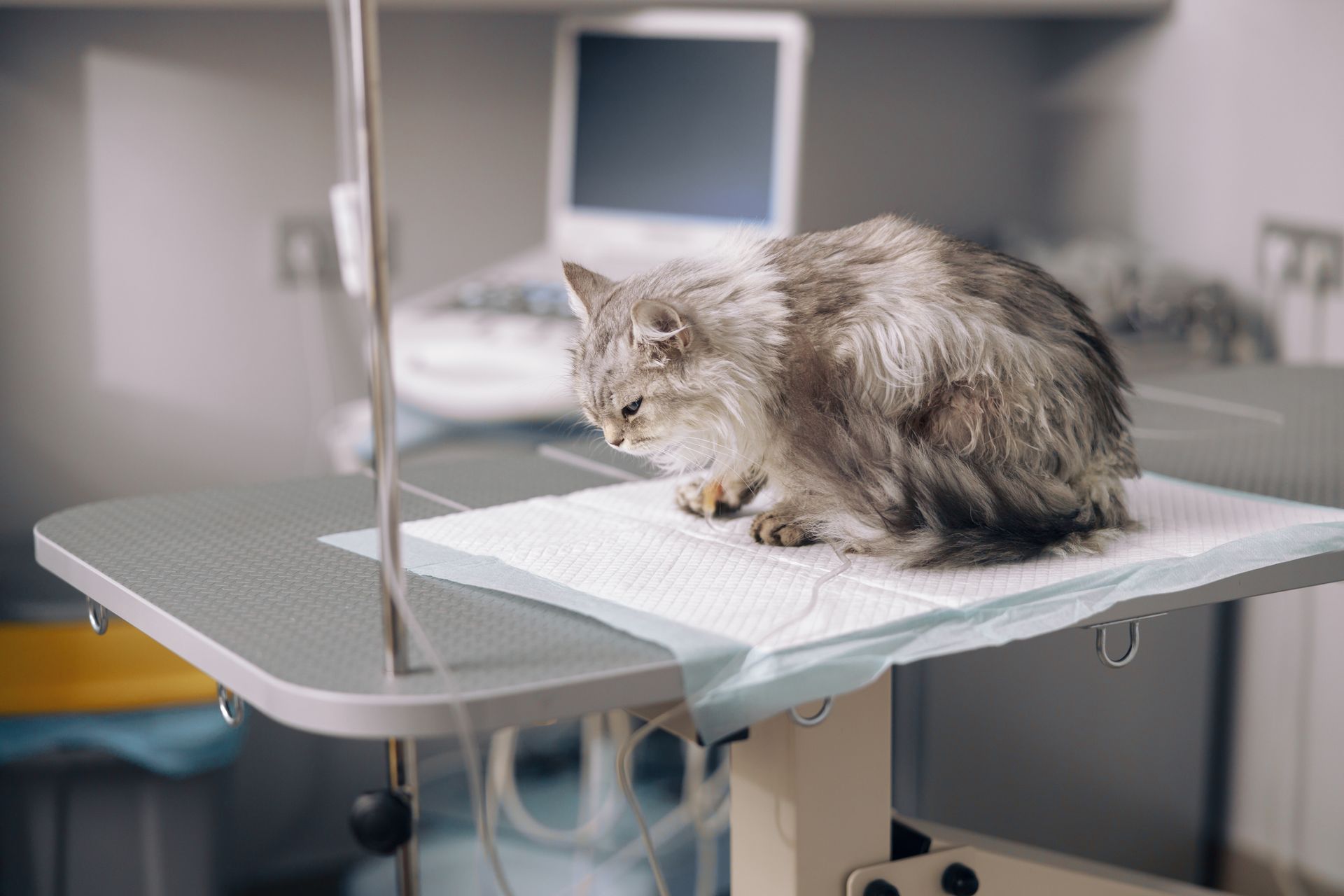
Professional and general liability, property, and workers’ comp for clinical operators with high exposure.
Hands-on · small business
Pet Groomers
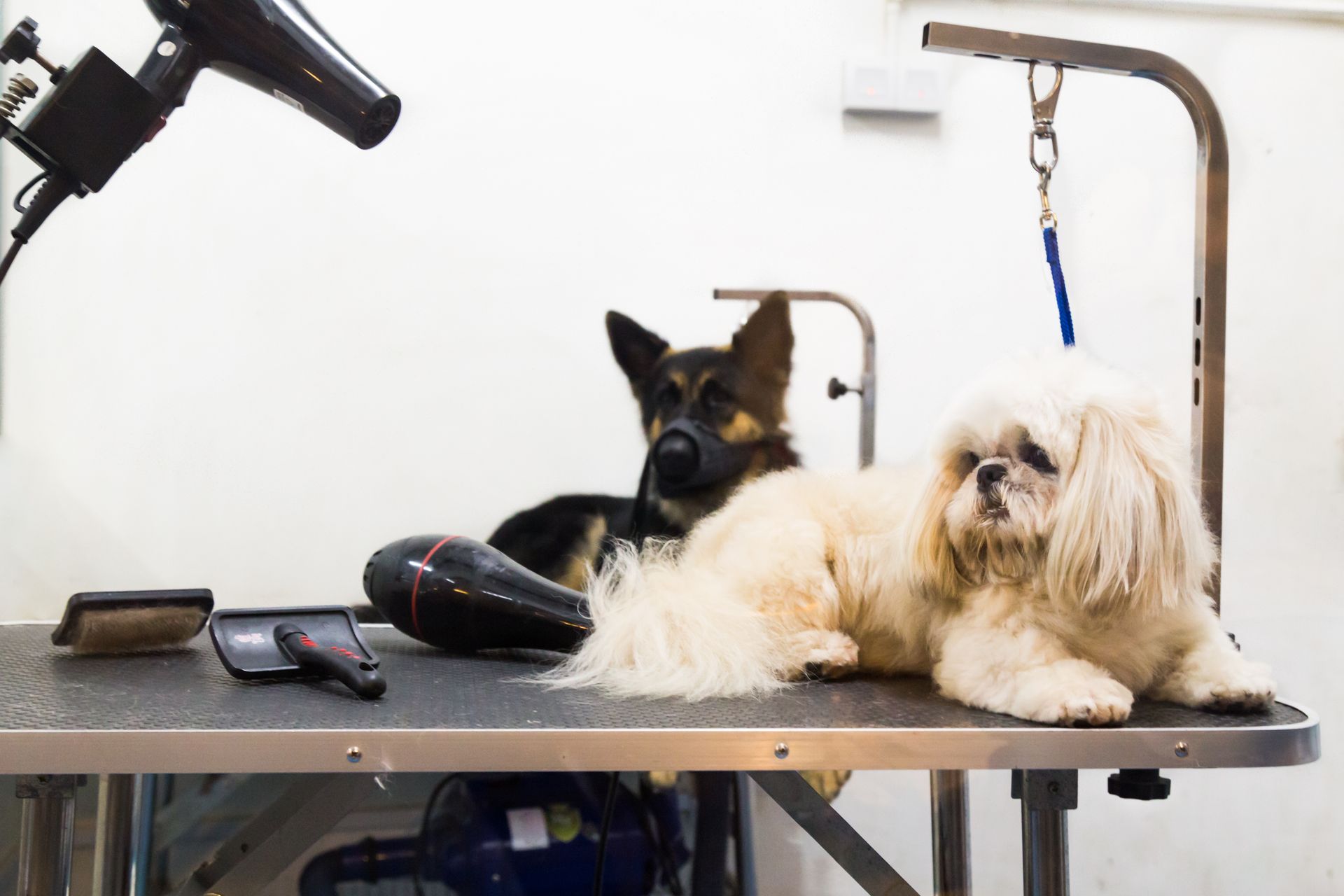
Practical protection for animal handling, equipment, and the day-to-day of the grooming table, shop or mobile.

Safety-forward · overnight
Doggy Daycare & Boarding
Coverage matched to facilities responsible for animals overnight and all day long.
Our reviews
Trusted by pet professionals.
See what owners say about working with a specialist who already understands their business.
Frequently asked
Questions pet pros ask us.
What kinds of pet businesses do you insure?
We insure businesses across the animal-care industry — veterinarians and animal hospitals, groomers, doggy daycares and boarding facilities, kennels and trainers, pet sitters and dog walkers, and pet stores. We also cover breeders, equine operations, pet transporters, shelters and rescues, pet photographers, and aquariums or wildlife facilities.
If your work involves caring for, handling, or selling animals, there is a strong chance we cover it. Tell us what you do and we will confirm.
What is care, custody, and control coverage, and why does it matter?
Care, custody, and control coverage protects you when an animal in your charge is injured, becomes ill, or is lost while in your care. Standard general liability policies often exclude this exact exposure, which leaves a serious gap for pet businesses.
For groomers, boarders, sitters, and clinics, this is one of the most important coverages you can carry. We make sure it is in place and sized to your operation.
How is an independent agency different from buying direct from a carrier?
A direct carrier sells you its own single policy. As an independent agency, we shop multiple specialty insurers and compare programs to find the coverage that fits your business and budget.
That means you get options instead of one quote, and an advocate who works for you, not the carrier. We also handle the renewals and claims support over the life of your policy.
How fast can I get a quote?
Most clients get quoted within one business day. Our industry-specific intake forms collect the right details up front, so we can take your information straight to the carriers without a long back-and-forth.
Need it sooner? Call a specialist directly at (346) 738-7297 and we will move quickly.
Which states do you serve?
We are licensed and actively writing coverage in 12 states: Connecticut, Delaware, Georgia, Kentucky, Massachusetts, New Jersey, New York, North Carolina, Pennsylvania, South Carolina, Tennessee, and Virginia.
We continue to add states as we grow. If you operate outside this list, reach out and we will let you know our latest footprint.
From the blog
Coverage notes for pet professionals.
Plain-language risk tips and coverage explainers, written for owners — not insurance pros.
Speak with a specialist
Let's find the right coverage for your business.
No quote bots, no funnel. Talk to a real pet-insurance specialist who already understands your operation — and shops multiple markets on your behalf.
Call us
(346) 738-7297
Toll-free 845-250-5366
Email
service@petindustryins.com
Visit Us
2 Joyce Plaza
Stony Point, NY 10980