Coverage for veterinary practices
Tennessee Pet Photographer Insurance
A golden retriever lunges at a studio light, sending a $2,000 strobe crashing to the floor. A cat scratches a client's toddler during an outdoor session at a Nashville park. A parrot flies off with your lens cap - and the client's $500 deposit, which they now want back because the shoot was ruined. If you photograph animals for a living in Tennessee, these aren't hypothetical scenarios. They're Tuesday.
Running a pet photography business in the Volunteer State means managing unpredictable subjects in unpredictable environments, often with expensive equipment and emotionally invested pet parents. The right insurance coverage isn't just a smart business move; it's the thing standing between you and a lawsuit that could shut you down. Tennessee has specific licensing and compliance requirements that many photographers overlook, and the consequences of getting it wrong range from fines to personal liability exposure.
Pet photographer insurance in Tennessee involves understanding your coverage requirements, managing costs, and staying compliant with state regulations. This guide breaks down what you actually need, what it costs, and where most TN pet photography operations get tripped up. Whether you're shooting in a Memphis studio or chasing golden hour portraits in the Smoky Mountains, the stakes are real, and the right policy matters more than most photographers realize.
Essential Insurance Policies for Tennessee Pet Photographers
Most pet photographers start with a single policy and assume they're covered. The reality is more complicated. Your business faces at least three distinct categories of risk, and each one requires its own type of protection. A general liability policy won't cover a misfired editing job that ruins a client's only photos of their dying pet. Equipment coverage won't help when a dog bites a bystander during a shoot at Centennial Park.
The photography industry has grown significantly in recent years, and with that growth comes increased competition and higher client expectations. Clients are booking shoots worth $500 to $3,000, and they expect professional-grade results with professional-grade accountability. That means carrying the right mix of policies, not just checking a box.
General Liability for Studio and On-Location Risks
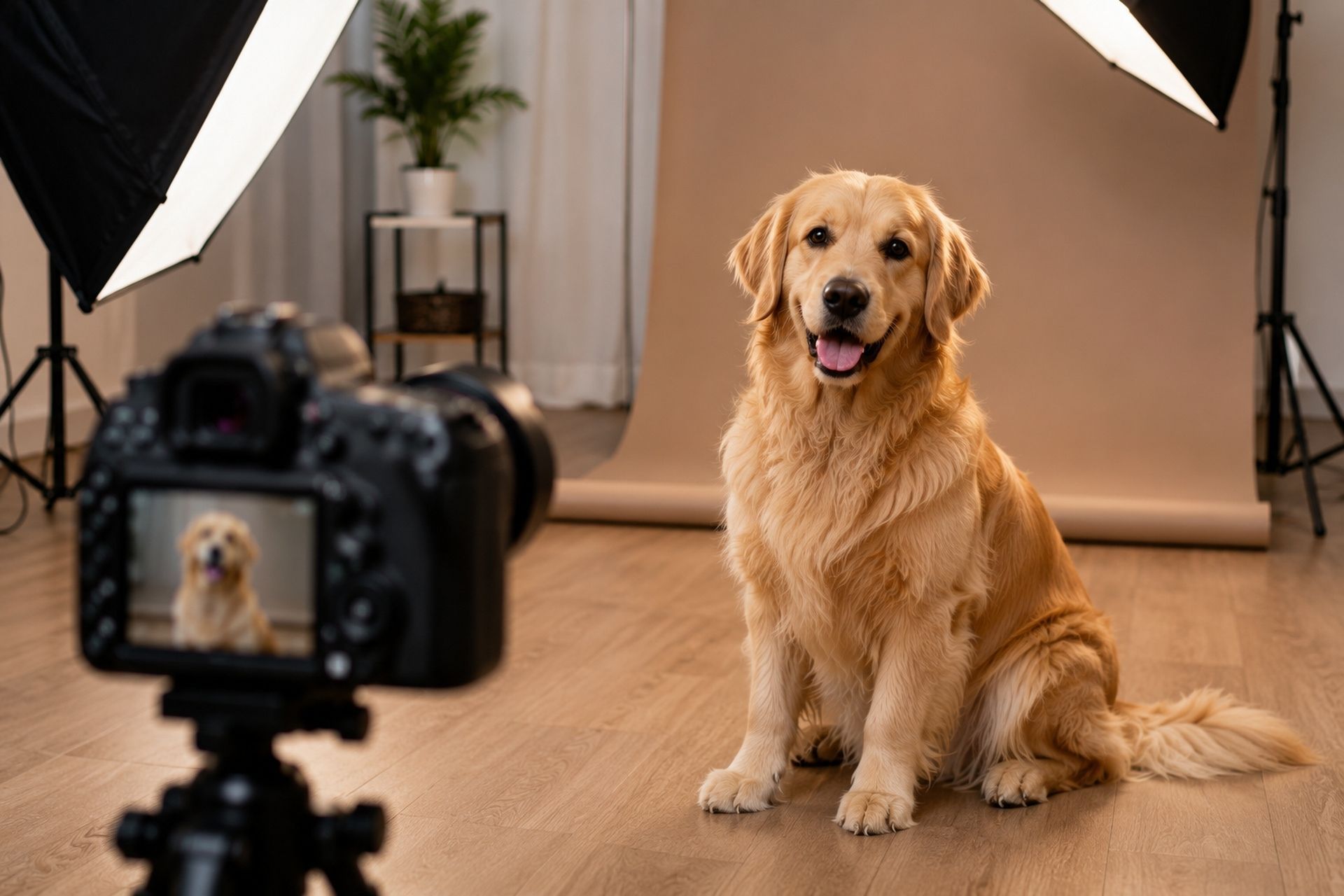
General liability insurance is the foundation. It covers third-party bodily injury and property damage claims that happen during your business operations. If a client trips over your tripod at a Knoxville dog park and breaks their wrist, general liability pays for their medical bills and your legal defense.
For pet photographers specifically, this coverage is critical because you're often working in spaces you don't control: public parks, clients' homes, rented studios, or pet-friendly venues. Many of these locations require you to show a certificate of insurance before they'll let you shoot there. A standard general liability policy for a solo pet photographer in Tennessee typically runs between $300 and $600 per year for $1 million per occurrence and $2 million aggregate limits.
One thing to keep in mind: general liability doesn't cover damage to animals in your care. That's a separate coverage entirely, and it's one of the most common gaps we see when pet photographers come to Pet Professional Insurance Agency looking for help after an incident.
Professional Liability and Animal Bailee Coverage
Professional liability, sometimes called errors and omissions coverage, protects you when a client claims your work product caused them financial harm. Corrupted files, missed shots during a one-time event, or delivering images that don't match what was promised can all trigger claims. In the pet photography world, these disputes happen more often than you'd think, especially when the subject is an aging or terminally ill animal and the photos carry deep emotional weight.
Animal bailee coverage is the piece most general photographers miss entirely. This policy covers injury or death to animals temporarily in your care, custody, or control during a session. If a dog escapes your studio and gets hit by a car, or a cat has a stress-related medical episode during a shoot, bailee coverage responds. Without it, you're personally liable for veterinary bills and potential emotional distress claims. Pet Professional Insurance Agency places this type of coverage through specialty markets that understand animal-related risks, which matters because standard photography insurers often exclude animals entirely.
Equipment Protection for High-Value Gear
A working pet photographer's kit easily exceeds $10,000 to $25,000 in value. Camera bodies, lenses, lighting equipment, backdrops, props, and editing hardware add up fast. Inland marine or equipment floater policies cover theft, accidental damage, and loss, whether your gear is in your studio, your car, or on location.
Homeowner's insurance typically caps business equipment coverage at $2,500 or less, and it won't cover gear damaged during commercial use. A dedicated equipment policy usually costs between $15 and $40 per month depending on total insured value and your deductible. For photographers who shoot on location across Tennessee, this coverage is non-negotiable.
Tennessee State Requirements and Business Compliance
Tennessee doesn't require photographers to hold a professional license, but that doesn't mean you can operate without paperwork. The state has business tax obligations that catch many solo operators off guard. Pet photographers must obtain a Minimal Activity License when gross receipts fall between $3,000 and $100,000, and a standard business license is required above that threshold. Operating without the correct license can result in penalties and back taxes.
You'll also need to register your business entity properly with the Tennessee Secretary of State if you're operating as an LLC or corporation. Sole proprietors using their legal name can skip this step, but most insurance carriers prefer to write policies for formally registered businesses.
Workers' Compensation Laws for Small Photography Teams
If you hire anyone, even a part-time assistant who helps wrangle pets during shoots, Tennessee law requires workers' compensation insurance once you have five or more employees. Some photographers skate by with independent contractors, but misclassifying workers is a risk in itself. The Tennessee Bureau of Workers' Compensation has been increasingly active in auditing small businesses, and penalties for non-compliance include fines and personal liability for workplace injuries.
Even if you're below the five-employee threshold, carrying workers' comp voluntarily can protect you from lawsuits if an assistant gets bitten or injured on set. It's one of those coverages that feels unnecessary until the day it saves your business.
Commercial Auto Insurance for Travel Across TN
If you drive to client locations, and nearly every pet photographer does, your personal auto policy likely excludes business use. Commercial auto insurance covers accidents that happen while you're driving to or from a shoot, transporting equipment, or picking up props. In Tennessee, minimum commercial auto liability limits are $25,000 per person and $50,000 per accident for bodily injury, plus $15,000 for property damage.
Those minimums are dangerously low. A serious accident on I-40 with $25,000 in coverage could leave you personally responsible for hundreds of thousands in medical bills. Most agents recommend at least $100,000/$300,000 limits, and adding hired and non-owned auto coverage if you ever rent vehicles or have employees drive their own cars for business purposes.
Comparing Coverage: Basic vs. Comprehensive Protection
Here's a side-by-side look at what basic versus comprehensive coverage looks like for a typical Tennessee pet photography operation:
| Coverage Type | Basic Plan | Comprehensive Plan |
|---|---|---|
| General Liability | $1M per occurrence | $2M per occurrence |
| Professional Liability | Not included | $1M per claim |
| Animal Bailee | Not included | $10,000-$25,000 per animal |
| Equipment Coverage | $5,000 limit | $25,000+ limit |
| Commercial Auto | State minimums only | $100K/$300K limits |
| Workers' Comp | Not included | Included if applicable |
| Estimated Annual Cost | $400-$700 | $1,200-$2,500 |
The gap between these two tiers is where most claims fall through. A photographer carrying only basic coverage might save $800 per year but faces catastrophic exposure if an animal is injured, equipment is stolen, or a professional dispute escalates.
Factors Influencing Insurance Costs in the Volunteer State
Tennessee's insurance market for small creative businesses is moderately priced compared to coastal states, but several factors can push your premiums up or down significantly. Your location within the state matters: Nashville and Memphis photographers tend to pay slightly more due to higher claim frequency in urban areas. Rural photographers in East Tennessee may see lower premiums but face longer response times for claims.
Impact of Annual Revenue and Coverage Limits
Insurers price policies partly based on your annual revenue because higher revenue generally means more client interactions and more exposure to claims. A photographer earning $40,000 per year will pay less than one earning $150,000, all else being equal. Coverage limits directly affect premiums too: doubling your general liability from $1 million to $2 million per occurrence typically adds 15-25% to your premium, not double.
The sweet spot for most solo pet photographers in Tennessee is $1 million per occurrence with a $2 million aggregate. That's enough to satisfy venue requirements, protect against most claims, and keep premiums manageable.
Deductible Choices and Premium Savings
IChoosing a higher deductible is the simplest way to lower your premium. Moving from a $500 to a $1,000 deductible on your equipment policy might save you 10-15% annually. But there's a catch: you need to be able to absorb that deductible if a claim happens. Setting aside a small emergency fund equal to your highest deductible is a smart practice.
Some photographers bundle policies through a single agency to get multi-policy savings. Working with an agency like Pet Professional Insurance Agency that specializes in pet-industry coverage can also help, since specialty markets often offer more favorable rates for risks they understand well, compared to general insurers who might view "animal photographer" as an unfamiliar and therefore higher-risk category.
Common Questions About TN Pet Photography Insurance
Do I need insurance if I only do pet photography as a side gig? Yes. Tennessee's business licensing requirements kick in at just $3,000 in gross receipts, and liability exposure exists regardless of whether photography is your full-time job.
Will my homeowner's or renter's policy cover my photography equipment? Rarely in any meaningful way. Most personal policies cap business equipment at $2,500 and exclude losses during commercial activity.
What happens if a pet I'm photographing bites someone? Your general liability policy typically covers third-party injuries. If the pet injures you, that's a different situation, and you'd need your own health insurance or potentially a workers' comp claim if you're set up that way.
Can I get insurance if I work exclusively outdoors and don't have a studio? Absolutely. Many pet photographers in Tennessee work entirely on location. Insurers care more about what you do than where you do it, and starting a photography business without a studio is increasingly common.
How quickly can I get a certificate of insurance for a venue? Through specialty agencies, certificates are often issued within 24-48 hours of binding a policy. Some venues require 30 days' notice, so plan ahead.
Before You Buy a Policy
Getting insurance for your TN pet photography operation isn't complicated, but getting the right insurance requires some thought. Start by honestly assessing your risks: Do you work with large dogs? Exotic animals? Do you shoot in public spaces that require certificates? Do you have assistants or employees?
Match your coverage to your actual exposure, not just the minimum. A bare-bones policy might feel like a savings, but one uncovered claim can cost more than a decade of comprehensive premiums. Talk to an agent who understands animal-related risks specifically, because a photographer who shoots weddings and a photographer who wrangles Great Danes face very different liability profiles.
Index
Pet Professional Insurance Agency is fully licensed and permitted to provide commercial insurance solutions for pet businesses across 12 states.
We proudly serve pet professionals throughout the Northeast, Mid-Atlantic, and Southeast. Powered by Joyce Insurance Agency, our team works with leading specialty carriers — including The Hartford, USLI, Nautilus, and Northland — to make sure veterinarians, groomers, boarding facilities, and pet-care businesses receive coverage that fits their real risks in Connecticut, Delaware, Georgia, Kentucky, Massachusetts, New Jersey, New York, North Carolina, Pennsylvania, South Carolina, Tennessee, and Virginia.
About the author
Barnaby Joyce
Founder, Pet Professional Insurance Agency · Licensed Insurance Producer
I started Pet Professional Insurance Agency because I watched pet businesses get handed generic policies that never fit. After years of placing coverage for veterinary practices, grooming salons, doggy daycares, and kennels through a generalist agency, I saw the same gaps over and over — and the same blank stares when an owner tried to explain care, custody, and control to an agent who had never insured an animal in their life.
So I built an agency that does one thing. I work directly with specialty carriers who actually want pet-industry risk, and I sit down with every client personally. You will not get a call center or a chatbot. You will get someone who already speaks your language and shops the market on your behalf. That is the whole idea.
Recommended coverages
Coverages that pair with general liability.
Most pet businesses build on general liability with the lines below. Explore each — every page cross-links to the
industries we serve.
Services & advice
Professional Liability / E&O
Covers claims tied to your professional services and advice — clinical care, training guidance, and the judgment calls you make daily.
The pet-industry gap
Care, Custody & Control
Covers the animals in your charge against injury, illness, or loss — the critical exposure standard liability policies leave out.
Bundled & cost-effective
Business Owners Policy (BOP)
Bundles property and general liability into one package built for small to mid-sized pet businesses — often the simplest base.
Your building & contents
Commercial Property
Protects your building, build-out, equipment, and inventory against fire, theft, and covered losses — front desk to back room.
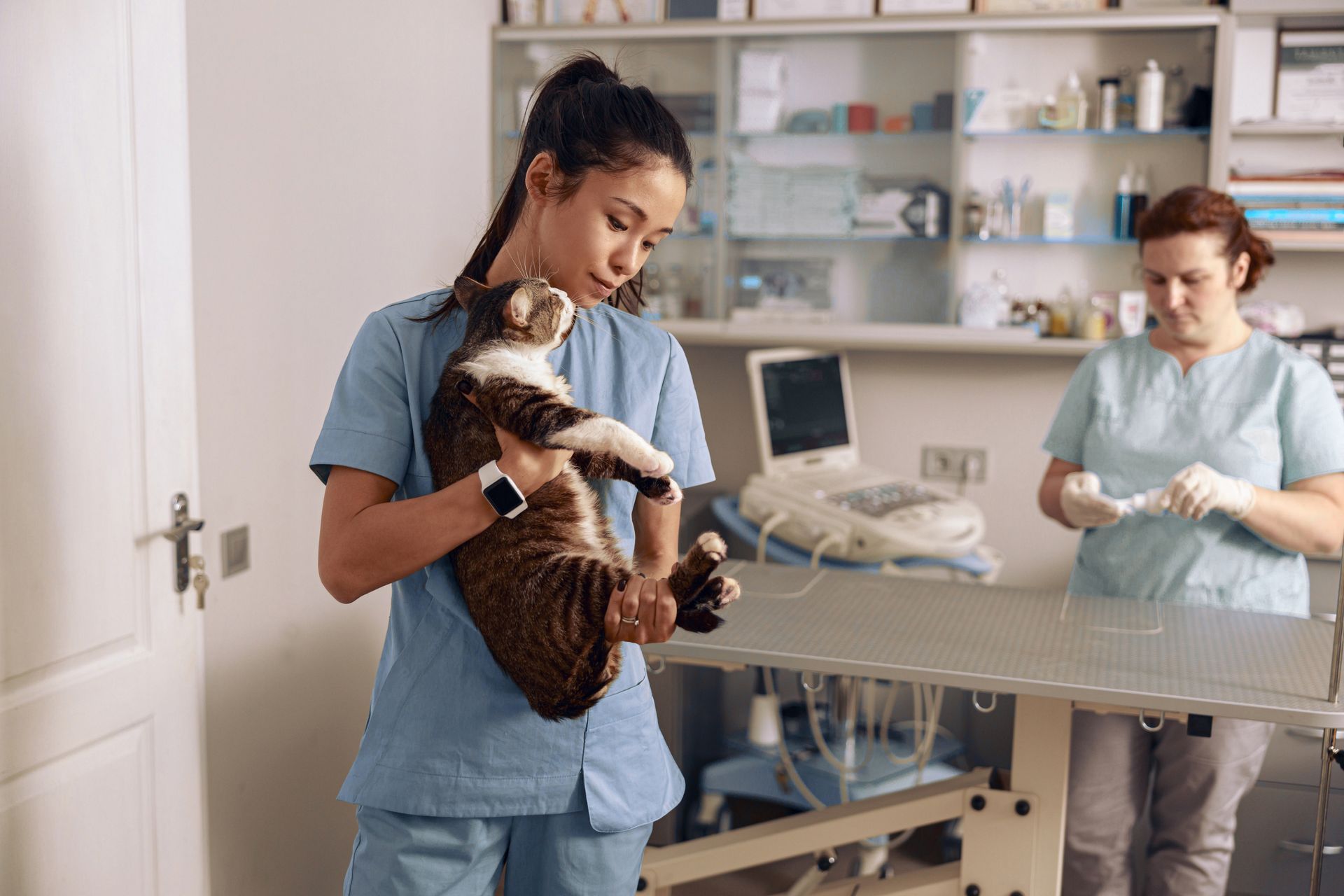
For your team
Workers’ Compensation
Covers medical costs and lost wages when a team member is hurt on the job — required in most states once you have employees.
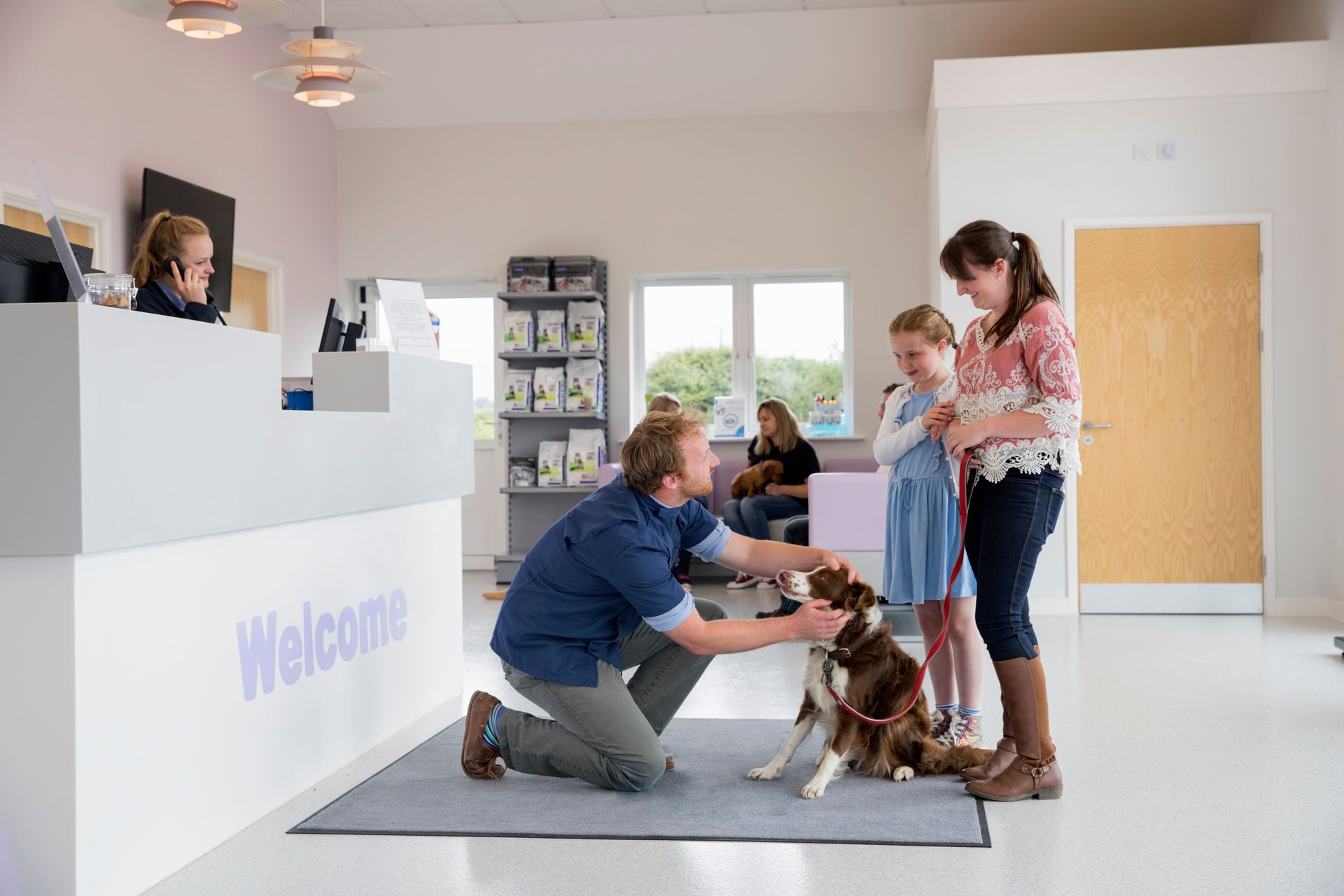
Extra protection
Commercial Umbrella
Adds liability limits above your primary policies for catastrophic claims that exceed standard coverage.
Coverage availability and terms vary by carrier and state. We recommend the right mix for your operation once we talk.
Industries we serve
Built for the businesses that care for animals.
General liability is the baseline for every segment we specialize in. Find the page built for your business.
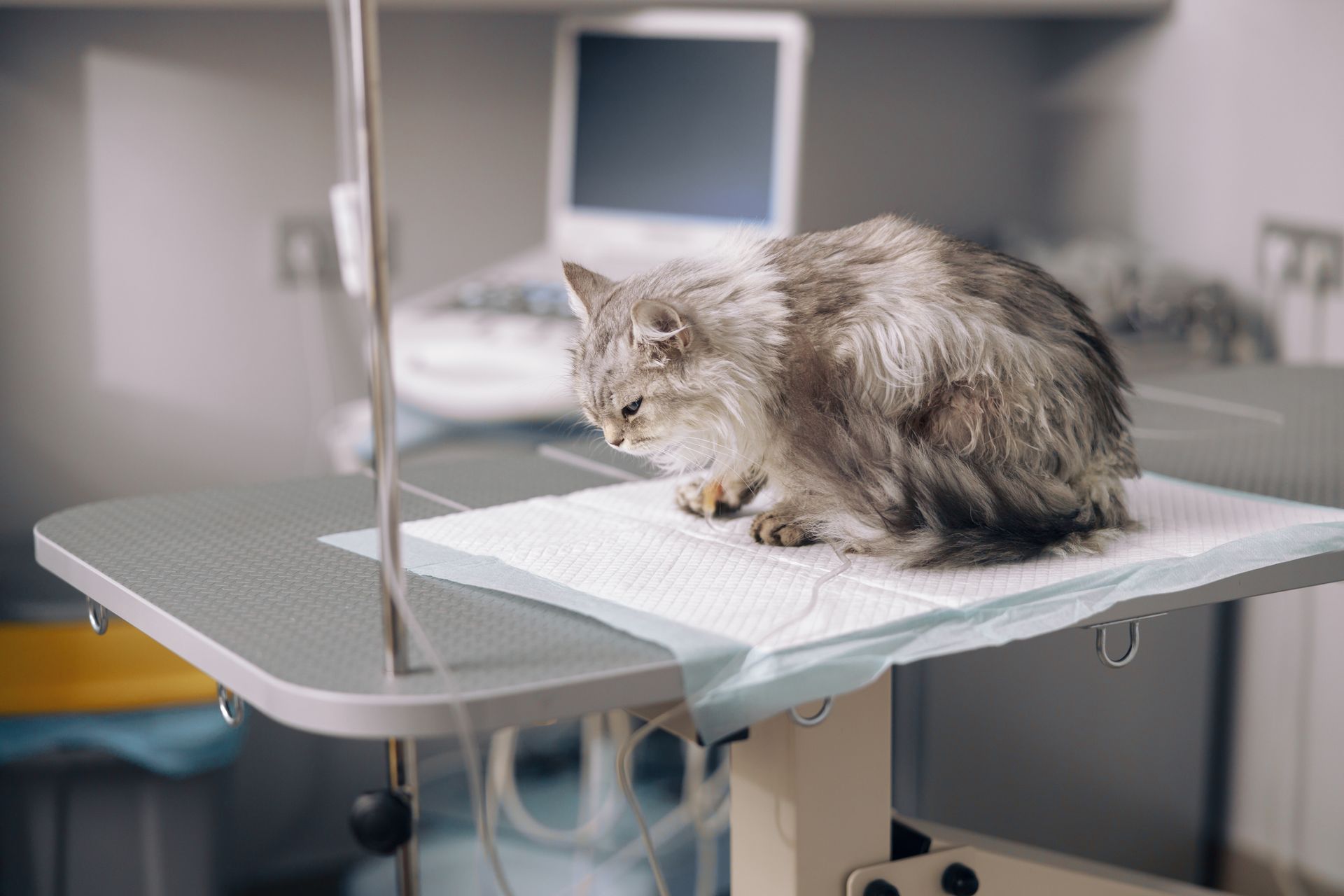
Clinical · high exposure
Veterinarians & Animal Hospitals
Professional and general liability, property, and workers’ comp for clinical operators with high exposure.
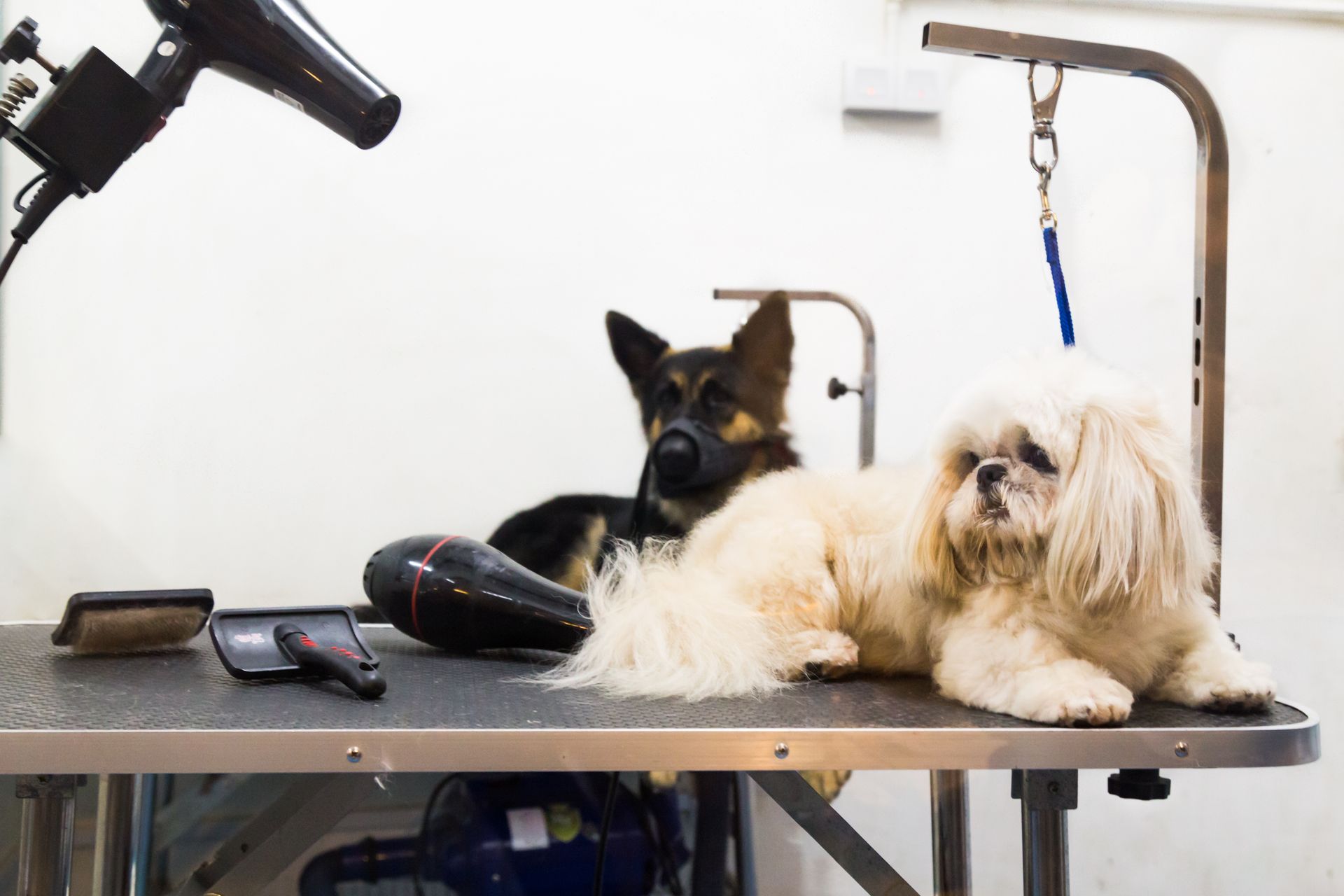
Hands-on · small business
Pet Groomers
Practical protection for animal handling, equipment, and the day-to-day of the grooming table, shop or mobile.
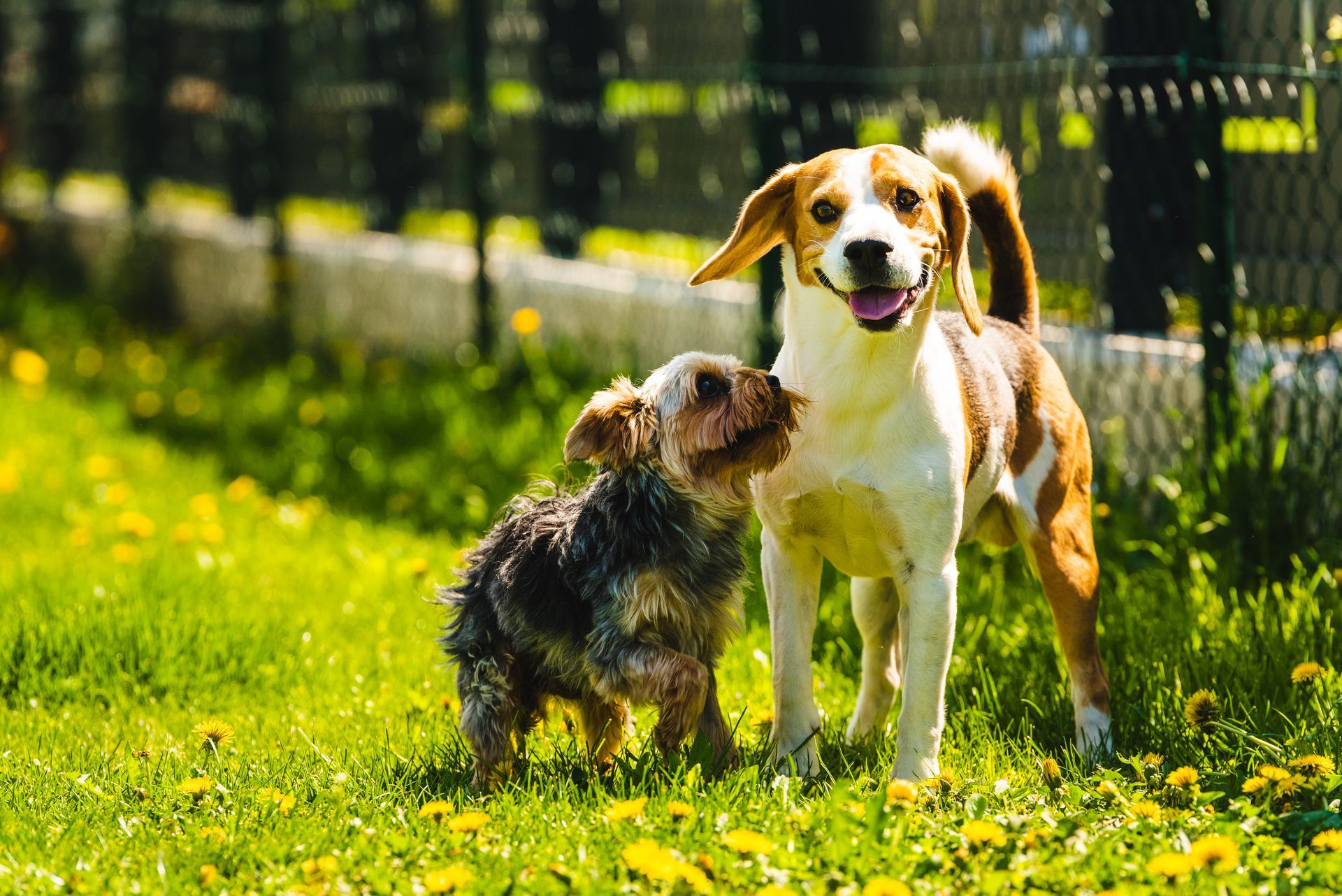
Safety-forward · overnight
Doggy Daycare & Boarding
Coverage matched to facilities responsible for animals overnight and all day long.
Our reviews
Trusted by pet professionals.
See what owners say about working with a specialist who already understands their business.
Frequently asked
Questions pet pros ask us.
What kinds of pet businesses do you insure?
We insure businesses across the animal-care industry — veterinarians and animal hospitals, groomers, doggy daycares and boarding facilities, kennels and trainers, pet sitters and dog walkers, and pet stores. We also cover breeders, equine operations, pet transporters, shelters and rescues, pet photographers, and aquariums or wildlife facilities.
If your work involves caring for, handling, or selling animals, there is a strong chance we cover it. Tell us what you do and we will confirm.
What is care, custody, and control coverage, and why does it matter?
Care, custody, and control coverage protects you when an animal in your charge is injured, becomes ill, or is lost while in your care. Standard general liability policies often exclude this exact exposure, which leaves a serious gap for pet businesses.
For groomers, boarders, sitters, and clinics, this is one of the most important coverages you can carry. We make sure it is in place and sized to your operation.
How is an independent agency different from buying direct from a carrier?
A direct carrier sells you its own single policy. As an independent agency, we shop multiple specialty insurers and compare programs to find the coverage that fits your business and budget.
That means you get options instead of one quote, and an advocate who works for you, not the carrier. We also handle the renewals and claims support over the life of your policy.
How fast can I get a quote?
Most clients get quoted within one business day. Our industry-specific intake forms collect the right details up front, so we can take your information straight to the carriers without a long back-and-forth.
Need it sooner? Call a specialist directly at (346) 738-7297 and we will move quickly.
Which states do you serve?
We are licensed and actively writing coverage in 12 states: Connecticut, Delaware, Georgia, Kentucky, Massachusetts, New Jersey, New York, North Carolina, Pennsylvania, South Carolina, Tennessee, and Virginia.
We continue to add states as we grow. If you operate outside this list, reach out and we will let you know our latest footprint.
From the blog
Coverage notes for pet professionals.
Plain-language risk tips and coverage explainers, written for owners — not insurance pros.
Speak with a specialist
Let's find the right coverage for your business.
No quote bots, no funnel. Talk to a real pet-insurance specialist who already understands your operation — and shops multiple markets on your behalf.
Call us
(346) 738-7297
Toll-free 845-250-5366
Email
service@petindustryins.com
Visit Us
2 Joyce Plaza
Stony Point, NY 10980