Coverage for veterinary practices
Massachusetts Veterinarian Insurance
Running a veterinary practice in Massachusetts means dealing with risks that most business owners never think about: a dog that bites a technician during a blood draw, a surgical complication that leads to a malpractice claim, or a burst pipe that floods your imaging suite overnight. The insurance needs of a veterinary clinic go well beyond a standard business policy, and Massachusetts has specific legal requirements that make this even more complex. If you own or are opening a vet practice in the Bay State, understanding veterinary insurance coverage requirements, costs, and compliance obligations isn't optional. It's the foundation that keeps your doors open when something goes wrong. Massachusetts LLC or LLP veterinary practices must maintain professional liability insurance of at least $50,000 per incident and $150,000 in aggregate, a baseline that many practice owners don't realize is codified into state law. This article breaks down every policy type you need to consider, what the state actually requires, and how to avoid the coverage gaps that catch too many MA veterinarians off guard.
Essential Insurance Policies for Massachusetts Veterinary Practices
Most veterinary practices need a layered insurance portfolio, not a single policy. The mistake I see frequently is clinic owners buying a generic business owner's policy (BOP) and assuming it covers everything. It doesn't. Veterinary operations carry unique exposures: animals in your custody, controlled substances on-site, specialized medical equipment, and the professional judgment calls your team makes every day. Each of these risk categories demands its own coverage.
A well-structured insurance program for a Massachusetts vet practice typically includes professional liability, general liability, commercial property, animal bailee coverage, workers' compensation, and often employment practices liability insurance. The specific combination depends on your practice type, but skipping any one of these leaves a hole that could cost you six figures or more in an uninsured claim.
Professional Liability vs. General Liability
These two policies cover fundamentally different things, and confusing them is one of the most common mistakes practice owners make.
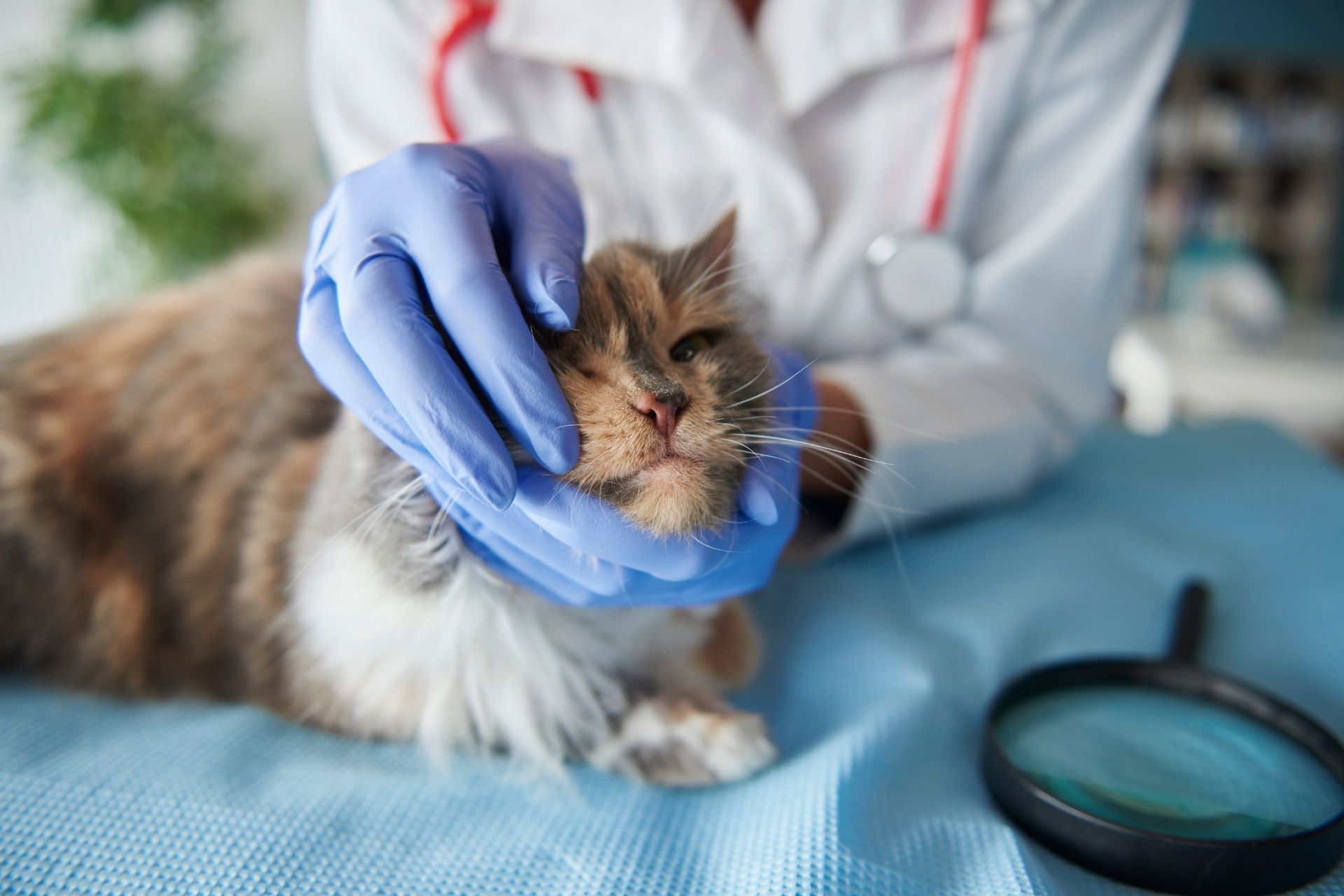
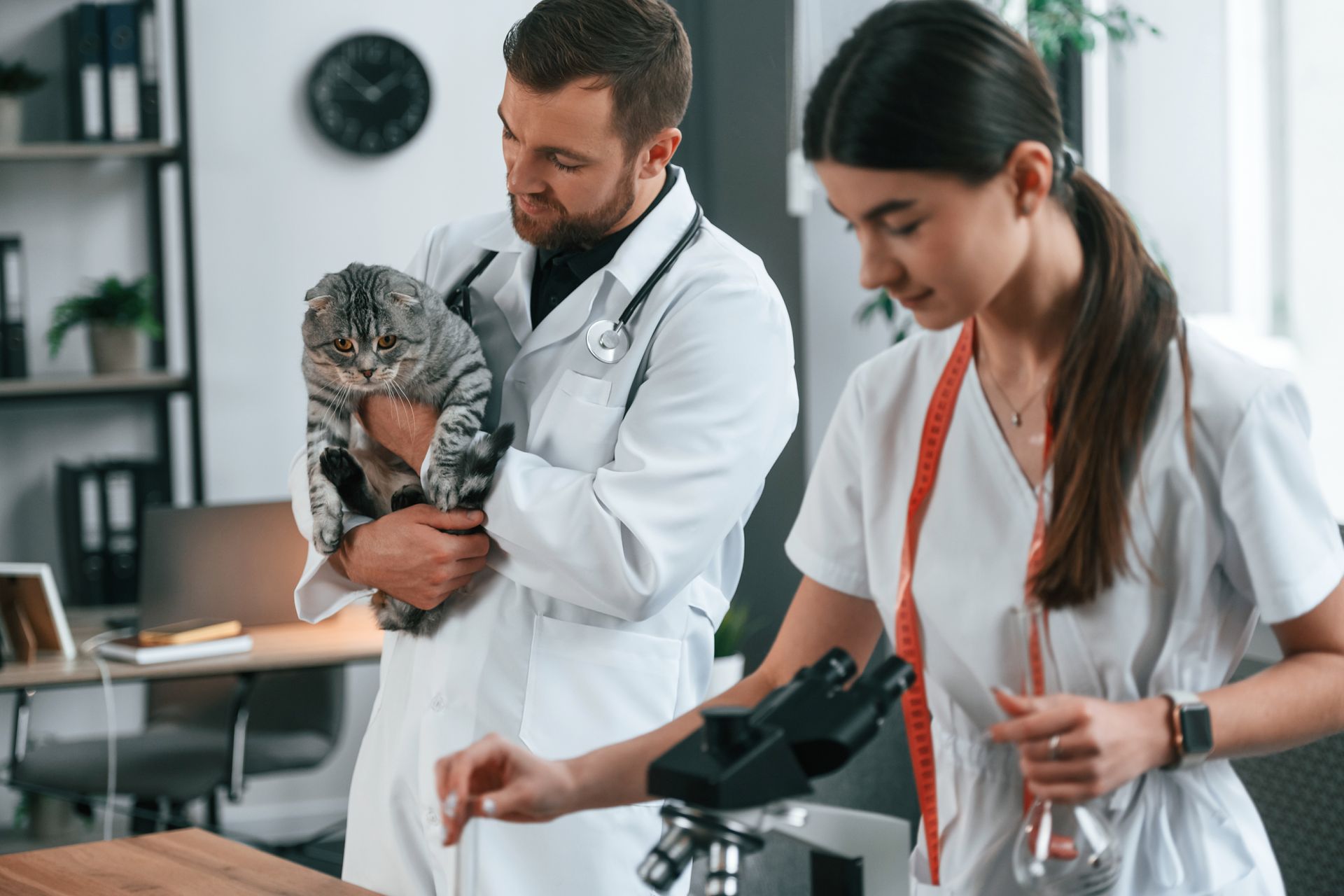
Professional liability (sometimes called malpractice or errors and omissions coverage) protects you when a client alleges that your medical judgment caused harm to their animal. Think misdiagnosis, surgical errors, adverse drug reactions, or failure to refer to a specialist. This is the policy triggered when a pet owner claims their dog died because you missed a diagnosis.
General liability, on the other hand, covers bodily injury and property damage that happen on your premises or as a result of your operations, but not from your professional services. A client who slips on a wet floor in your lobby, or a dog that escapes your facility and damages a neighbor's property: those are GL claims.
- Professional liability: Covers claims arising from veterinary medical decisions
- General liability: Covers third-party injuries, property damage, and advertising claims
- Key difference: GL won't cover malpractice, and PL won't cover a slip-and-fall
You need both. Period.
Animal Bailee and Veterinary License Defense
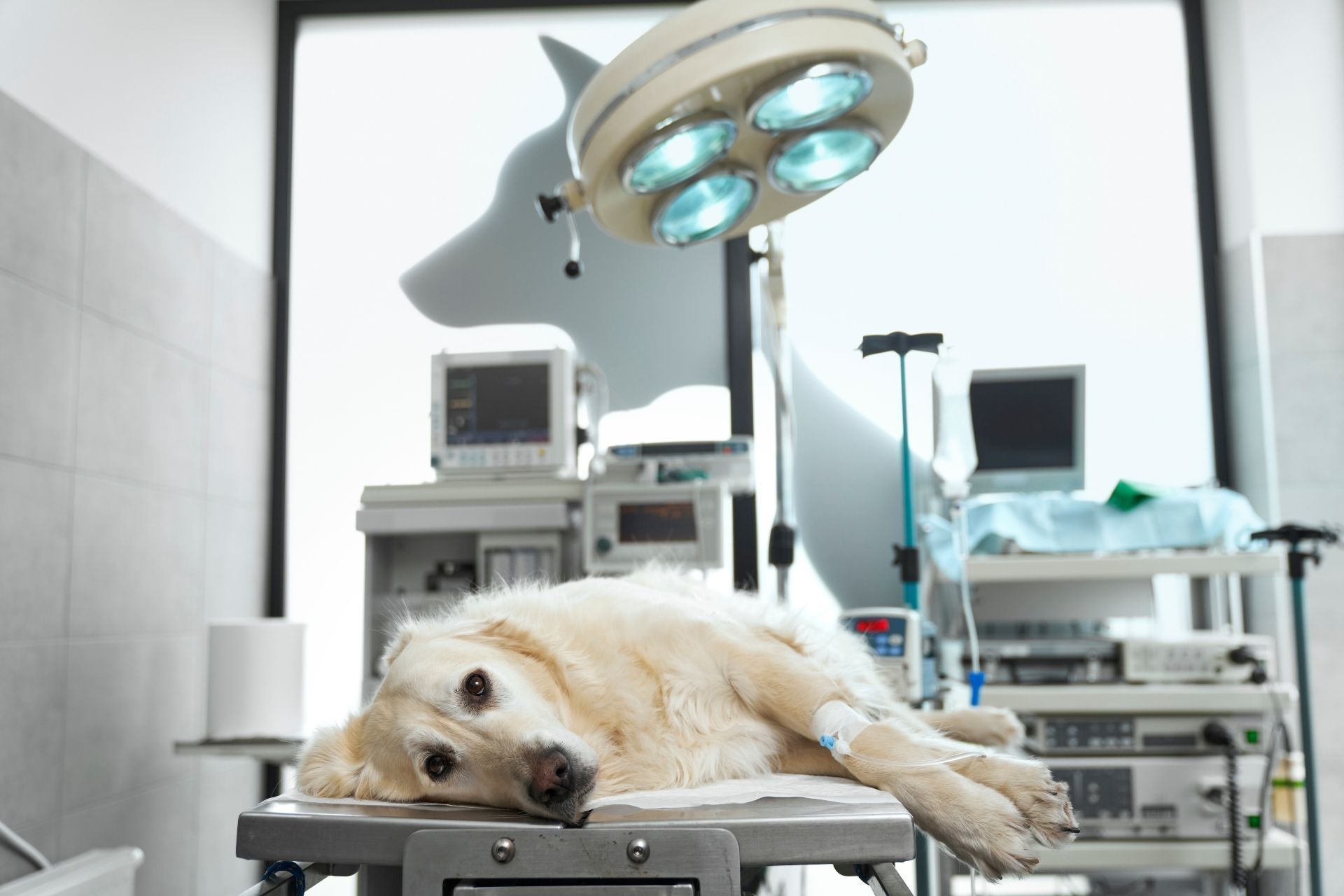
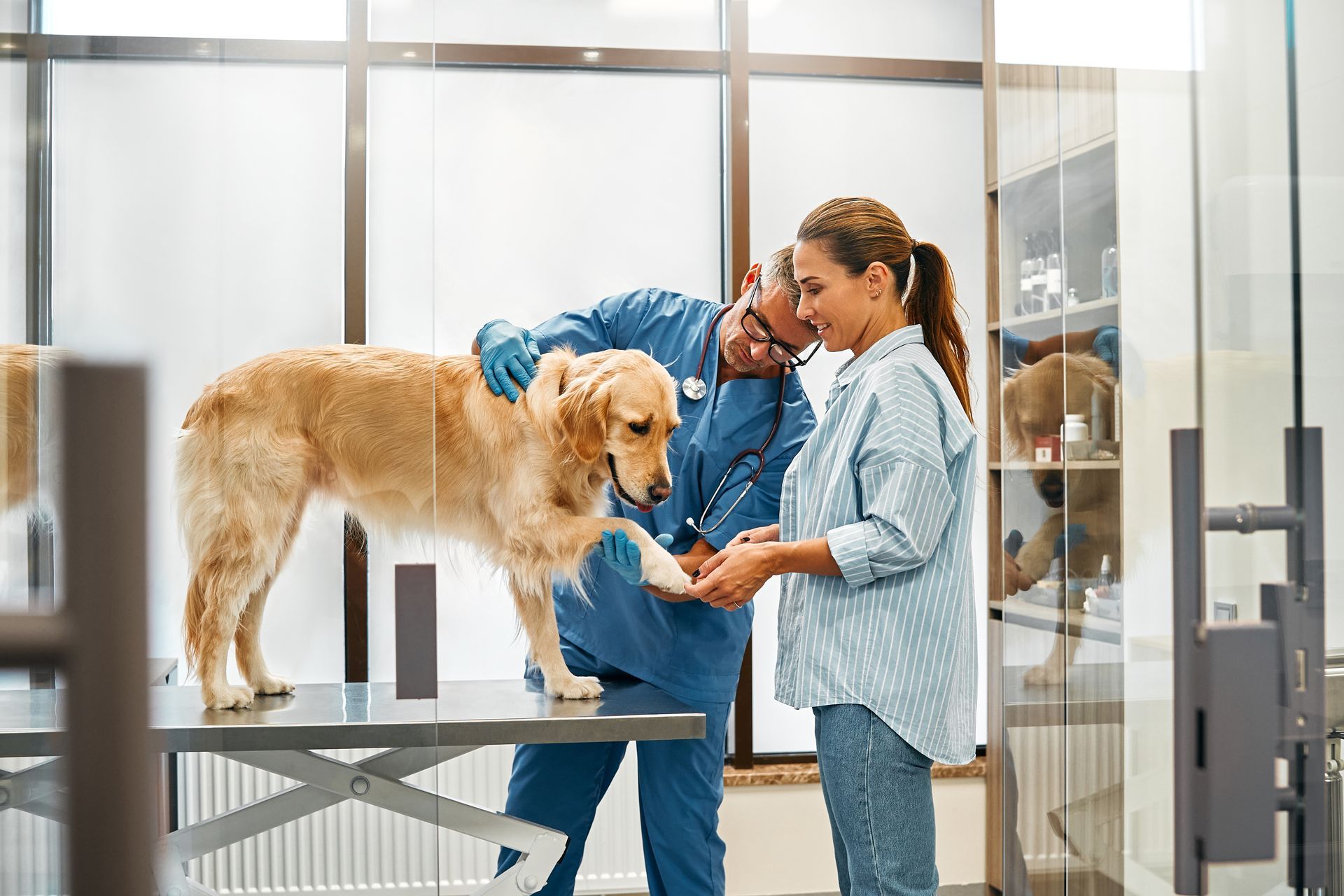
Animal bailee coverage is something most standard commercial policies exclude entirely. This covers animals that are injured, become ill, or die while in your care, custody, and control. If you board animals overnight for post-surgical recovery, or if you run a separate boarding operation alongside your clinic, this coverage is essential. Without it, you're personally liable for the value of every animal under your roof.
License defense coverage is another policy that gets overlooked until it's too late. If the Massachusetts Board of Registration in Veterinary Medicine opens an investigation into your practice, you'll need legal representation. These proceedings can cost $10,000 to $50,000 or more in attorney fees, and your standard liability policies won't cover them. A dedicated license defense policy pays for your legal costs during board investigations, hearings, or disciplinary actions.
Commercial Property and Mobile Equipment Coverage
Your commercial property policy covers the building (if you own it), tenant improvements, and business personal property like exam tables, surgical instruments, x-ray machines, and pharmacy inventory. Make sure your policy includes equipment breakdown coverage, because a failed autoclave or a dead ultrasound machine can shut down your practice for days.
If your team provides farm calls or mobile veterinary services, standard property coverage won't protect equipment in transit. You'll need an inland marine or mobile equipment endorsement that covers your portable x-ray units, surgical kits, and medications while they're in your vehicle or at a client's barn. Massachusetts weather alone, from nor'easters to summer storms, makes this coverage worth every dollar.
Massachusetts Legal Requirements and Compliance
Massachusetts imposes several insurance mandates on veterinary practices that go beyond what you'd find in many other states. Ignoring them can result in fines, license suspension, or personal liability exposure.
Workers' Compensation Mandates for MA Employers
Massachusetts is one of the strictest states in the country on workers' comp. If you have even one employee, you're required to carry workers' compensation insurance. There's no minimum employee threshold. The state's workers' compensation rates vary by job classification, and veterinary staff fall into classifications that reflect the physical nature of the work: animal handling, exposure to bites and scratches, and repetitive motion injuries.
Failure to carry workers' comp in Massachusetts is a criminal offense. You can face fines of up to $1,500 per day of noncompliance, and your practice can be shut down by a stop-work order. This isn't an area where you want to cut corners.
Meeting Board of Registration in Veterinary Medicine Standards
The Massachusetts Board of Registration in Veterinary Medicine sets licensing standards that directly affect your insurance obligations. Practices organized as LLCs or LLPs face the mandatory professional liability minimums mentioned earlier. The board also has the authority to investigate complaints and take disciplinary action, which is why license defense coverage matters so much.
Massachusetts has also been active on animal welfare legislation in recent years. Bills addressing pet equity, treatment standards, and safety have moved through the legislature, and anti-cruelty legislation has gained bipartisan support. These evolving laws can create new liability exposures for veterinary practices, making it critical to review your coverage annually with someone who understands the industry. An agency like Pet Professional Insurance Agency, which focuses exclusively on pet-care businesses, can flag these regulatory shifts before they become coverage gaps.
Comparison of Standard vs. Specialized Veterinary Coverage
A standard BOP from a general commercial insurer will cover some of your risks, but it leaves significant gaps for veterinary-specific exposures. Here's how they stack up:
| Coverage Area | Standard BOP | Specialized Veterinary Policy |
|---|---|---|
| General Liability | Included | Included |
| Professional Liability | Not included | Included or available |
| Animal Bailee | Not included | Included |
| Controlled Substance Theft | Limited or excluded | Covered |
| License Defense | Not included | Available as endorsement |
| Equipment Breakdown | Optional add-on | Often included |
| EPLI | Not included | Available; costs vary by practice size |
The difference is stark. A general insurer might not even understand what animal bailee coverage is, let alone know how to price it correctly. That's why working with a specialty agency matters: Pet Professional Insurance Agency, for example, uses intake forms designed specifically for veterinary practices, which means nothing gets missed during the application process.
Factors Influencing Insurance Costs in the Bay State
Insurance premiums for Massachusetts veterinary practices vary widely, and understanding what drives costs helps you budget accurately and avoid overpaying.
Practice Size and Patient Volume
A solo practitioner seeing 15 patients a day will pay significantly less than a multi-doctor hospital handling 80 or more daily appointments. Insurers look at annual revenue, number of employees, square footage, and patient volume when calculating premiums. A small companion-animal practice might pay $3,000 to $6,000 annually for a combined GL/PL package, while a larger hospital could see premiums of $12,000 to $20,000 or more.
Employee count also directly affects your workers' comp costs. Massachusetts calculates workers' comp premiums based on payroll and job classification, so a practice with 15 employees will naturally pay more than one with three.
Specialization Risks: General Care vs. Surgical Centers
Practices that perform complex surgeries, offer emergency and critical care, or specialize in exotic animals carry higher professional liability risk. A general wellness practice that handles routine exams and vaccinations presents a very different risk profile than a board-certified surgical center performing orthopedic procedures or a clinic that treats reptiles and birds.
Equine practices and those doing farm calls face additional exposures: working around large animals, traveling to unfamiliar properties, and carrying equipment in vehicles. Each of these factors pushes premiums higher. The key is making sure you're accurately classified: being overclassified means you're overpaying, and being underclassified means you might not have adequate coverage when you need it.
Common Questions About Vet Insurance in Massachusetts
Do I need professional liability insurance if I'm a sole proprietor? The state minimum applies specifically to LLC and LLP structures. Sole proprietors aren't legally required to carry it, but operating without professional liability coverage is an enormous financial risk. One malpractice claim could wipe out your personal assets.
How quickly can I get coverage for a new practice? Most specialty agencies can turn around applications within 24 to 48 hours. Pet Professional Insurance Agency, for instance, typically provides initial feedback within that window because their forms are already tailored to veterinary operations.
Does my policy cover telemedicine consultations? Many professional liability policies now include telehealth, but not all do. Massachusetts continues to update its veterinary telemedicine regulations, so confirm your policy language matches current state rules.
Is employment practices liability insurance worth it? If you have employees, yes. EPLI covers claims of wrongful termination, discrimination, harassment, and wage disputes. These claims are increasingly common in small businesses and can cost $75,000 or more to defend, even when you've done nothing wrong.
What happens if I let my workers' comp policy lapse? Massachusetts can issue a stop-work order, fine you up to $1,500 per day, and hold you criminally liable. Don't let this happen.
Are mobile vet services covered under my clinic's policy? Usually not without a specific endorsement. If you make house calls or farm visits, tell your agent so they can add the right coverage.
Before You Buy a Policy
Getting the right insurance for your Massachusetts veterinary practice isn't about finding the lowest premium: it's about building a coverage portfolio that actually protects your business, your team, and your patients. Start by understanding your state-mandated obligations, particularly the professional liability minimums for LLCs and LLPs and the strict workers' comp requirements. Then layer in the veterinary-specific coverages, animal bailee, license defense, equipment breakdown, that generic policies miss entirely.
Work with an agency that knows this industry inside and out. The difference between a generalist broker and a pet-industry specialist can be the difference between a policy that pays a claim and one that denies it. If you're ready to get your coverage reviewed or need a policy for a new practice, reach out to Pet Professional Insurance Agency for a consultation. Their team works directly with you, not through a call center, and they understand the specific risks Massachusetts veterinarians face every day.
Index
Pet Professional Insurance Agency is fully licensed and permitted to provide commercial insurance solutions for pet businesses across 12 states.
We proudly serve pet professionals throughout the Northeast, Mid-Atlantic, and Southeast. Powered by Joyce Insurance Agency, our team works with leading specialty carriers — including The Hartford, USLI, Nautilus, and Northland — to make sure veterinarians, groomers, boarding facilities, and pet-care businesses receive coverage that fits their real risks in Connecticut, Delaware, Georgia, Kentucky, Massachusetts, New Jersey, New York, North Carolina, Pennsylvania, South Carolina, Tennessee, and Virginia.
About the author
Barnaby Joyce
Founder, Pet Professional Insurance Agency · Licensed Insurance Producer
I started Pet Professional Insurance Agency because I watched pet businesses get handed generic policies that never fit. After years of placing coverage for veterinary practices, grooming salons, doggy daycares, and kennels through a generalist agency, I saw the same gaps over and over — and the same blank stares when an owner tried to explain care, custody, and control to an agent who had never insured an animal in their life.
So I built an agency that does one thing. I work directly with specialty carriers who actually want pet-industry risk, and I sit down with every client personally. You will not get a call center or a chatbot. You will get someone who already speaks your language and shops the market on your behalf. That is the whole idea.
Recommended coverages
Coverages that pair with general liability.
Most pet businesses build on general liability with the lines below. Explore each — every page cross-links to the
industries we serve.
Services & advice
Professional Liability / E&O
Covers claims tied to your professional services and advice — clinical care, training guidance, and the judgment calls you make daily.
The pet-industry gap
Care, Custody & Control
Covers the animals in your charge against injury, illness, or loss — the critical exposure standard liability policies leave out.
Bundled & cost-effective
Business Owners Policy (BOP)
Bundles property and general liability into one package built for small to mid-sized pet businesses — often the simplest base.
Your building & contents
Commercial Property
Protects your building, build-out, equipment, and inventory against fire, theft, and covered losses — front desk to back room.
For your team
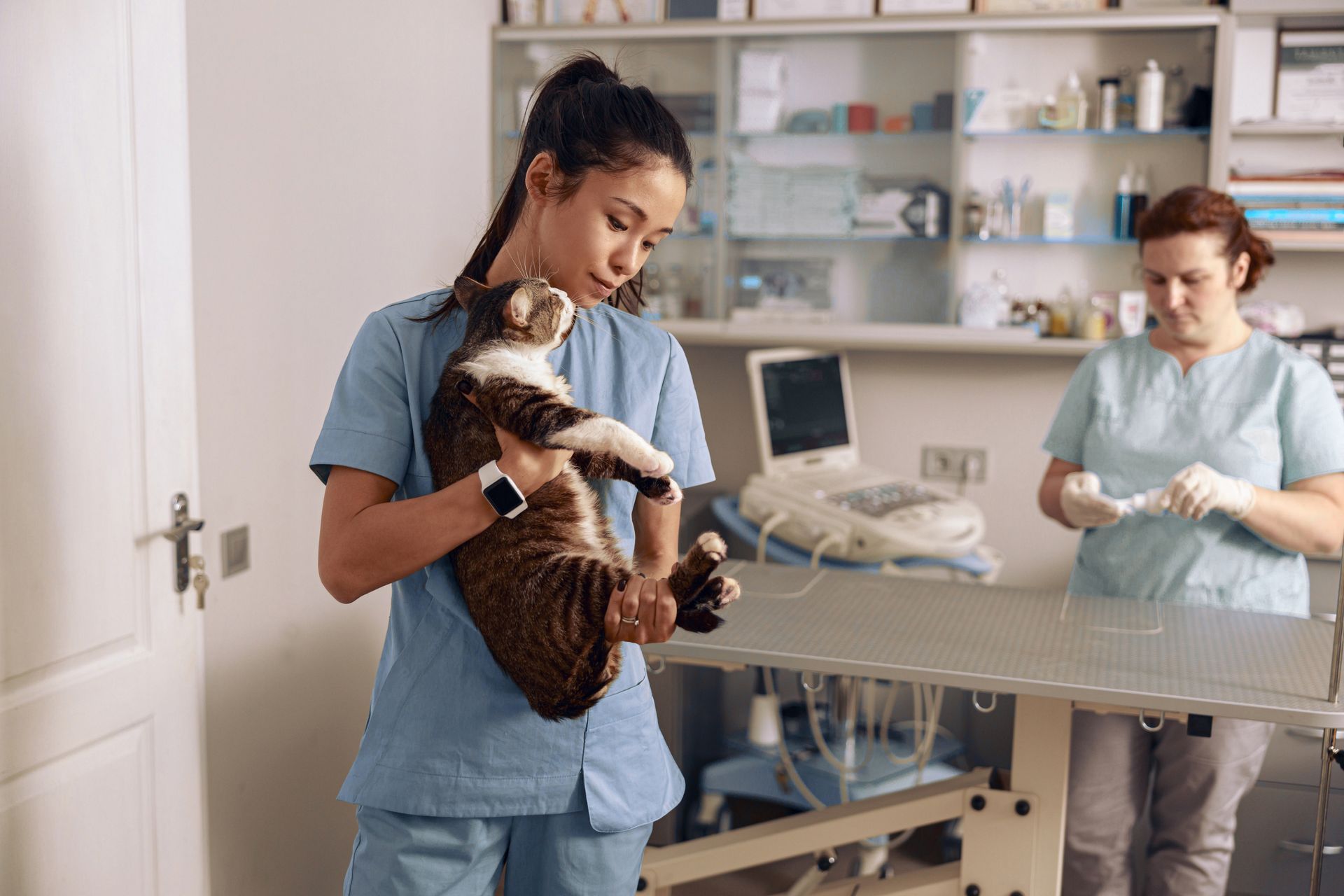
Workers’ Compensation
Covers medical costs and lost wages when a team member is hurt on the job — required in most states once you have employees.
Extra protection
Commercial Umbrella
Adds liability limits above your primary policies for catastrophic claims that exceed standard coverage.
Coverage availability and terms vary by carrier and state. We recommend the right mix for your operation once we talk.
Industries we serve
Built for the businesses that care for animals.
General liability is the baseline for every segment we specialize in. Find the page built for your business.
Clinical · high exposure
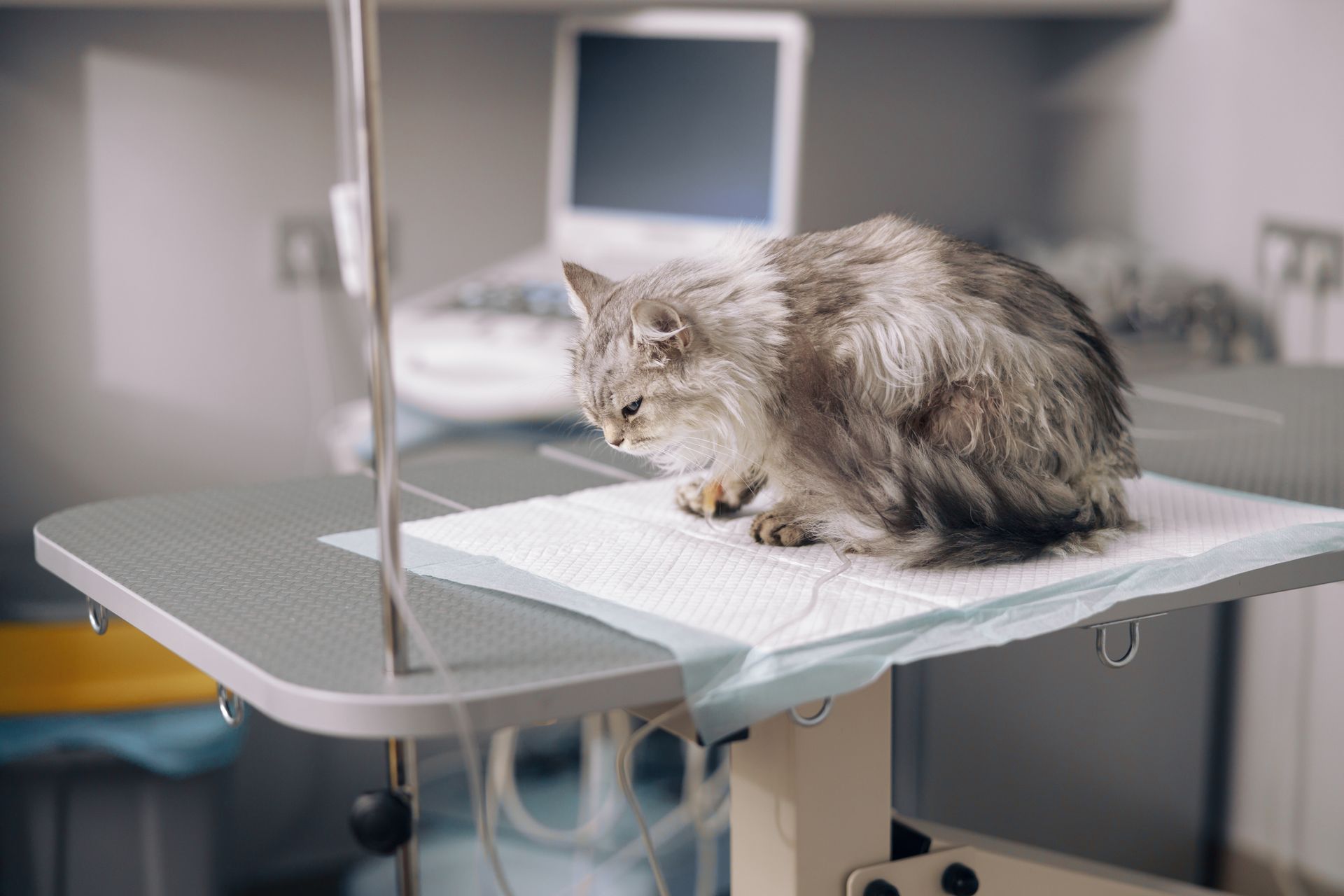
Veterinarians & Animal Hospitals
Professional and general liability, property, and workers’ comp for clinical operators with high exposure.
Hands-on · small business
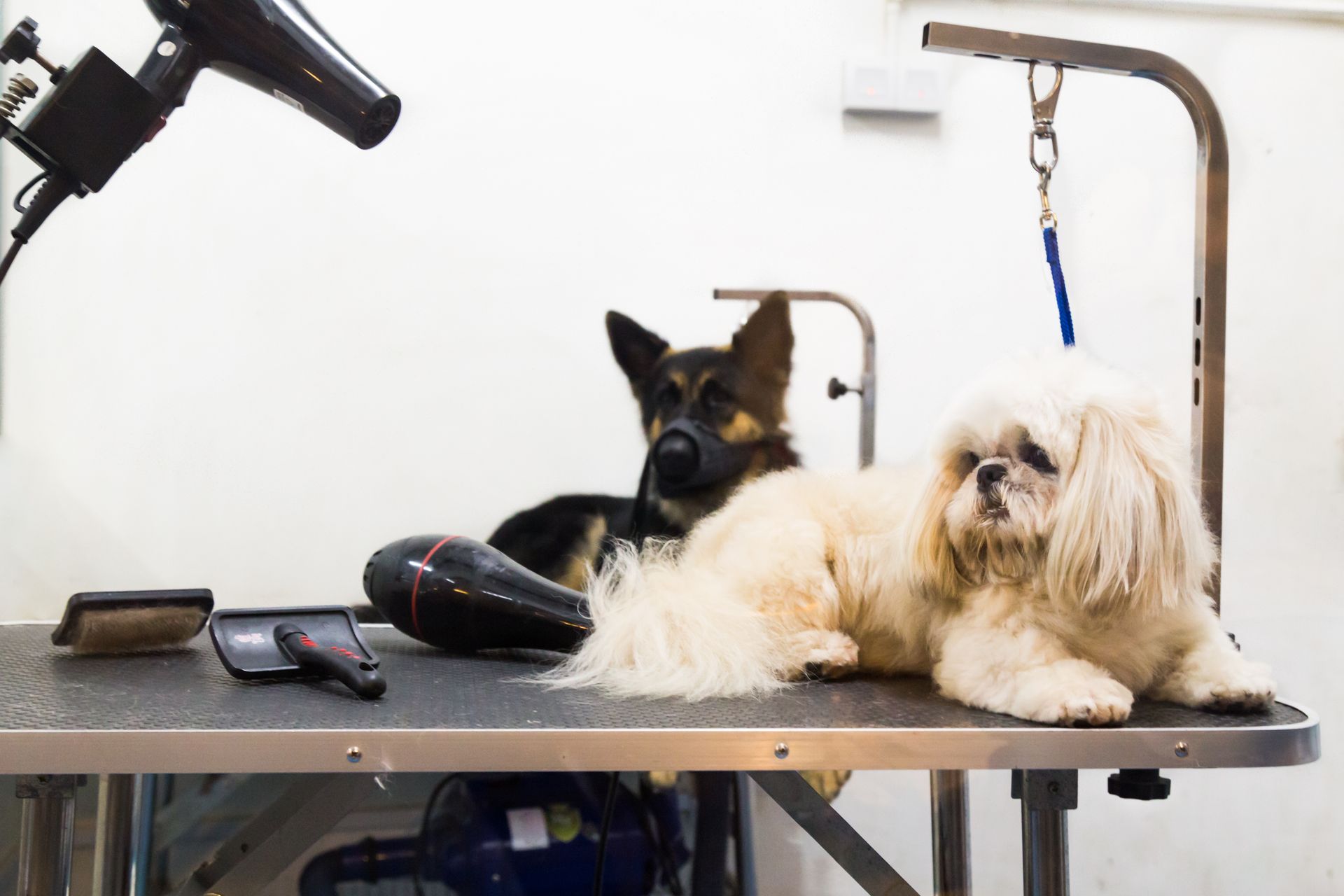
Pet Groomers
Practical protection for animal handling, equipment, and the day-to-day of the grooming table, shop or mobile.

Safety-forward · overnight
Doggy Daycare & Boarding
Coverage matched to facilities responsible for animals overnight and all day long.
Our reviews
Trusted by pet professionals.
See what owners say about working with a specialist who already understands their business.
Frequently asked
Questions pet pros ask us.
What kinds of pet businesses do you insure?
We insure businesses across the animal-care industry — veterinarians and animal hospitals, groomers, doggy daycares and boarding facilities, kennels and trainers, pet sitters and dog walkers, and pet stores. We also cover breeders, equine operations, pet transporters, shelters and rescues, pet photographers, and aquariums or wildlife facilities.
If your work involves caring for, handling, or selling animals, there is a strong chance we cover it. Tell us what you do and we will confirm.
What is care, custody, and control coverage, and why does it matter?
Care, custody, and control coverage protects you when an animal in your charge is injured, becomes ill, or is lost while in your care. Standard general liability policies often exclude this exact exposure, which leaves a serious gap for pet businesses.
For groomers, boarders, sitters, and clinics, this is one of the most important coverages you can carry. We make sure it is in place and sized to your operation.
How is an independent agency different from buying direct from a carrier?
A direct carrier sells you its own single policy. As an independent agency, we shop multiple specialty insurers and compare programs to find the coverage that fits your business and budget.
That means you get options instead of one quote, and an advocate who works for you, not the carrier. We also handle the renewals and claims support over the life of your policy.
How fast can I get a quote?
Most clients get quoted within one business day. Our industry-specific intake forms collect the right details up front, so we can take your information straight to the carriers without a long back-and-forth.
Need it sooner? Call a specialist directly at (346) 738-7297 and we will move quickly.
Which states do you serve?
We are licensed and actively writing coverage in 12 states: Connecticut, Delaware, Georgia, Kentucky, Massachusetts, New Jersey, New York, North Carolina, Pennsylvania, South Carolina, Tennessee, and Virginia.
We continue to add states as we grow. If you operate outside this list, reach out and we will let you know our latest footprint.
From the blog
Coverage notes for pet professionals.
Plain-language risk tips and coverage explainers, written for owners — not insurance pros.
Speak with a specialist
Let's find the right coverage for your business.
No quote bots, no funnel. Talk to a real pet-insurance specialist who already understands your operation — and shops multiple markets on your behalf.
Call us
(346) 738-7297
Toll-free 845-250-5366
Email
service@petindustryins.com
Visit Us
8 Joyce Plaza
Stony Point, NY 10980