Coverage for veterinary practices
Virginia Dog Breeder Insurance
Your kennel facility, whelping equipment, fencing, heating systems, and the dogs themselves represent significant financial investment. Commercial property insurance covers damage from fire, storms, theft, and vandalism. If you've invested $50,000 or more in your facility and equipment, a single fire could devastate your operation without property coverage in place.
Inland marine coverage can also protect portable equipment and dogs while they're being transported to shows, vet appointments, or buyer meetups. If you travel to dog shows regularly, this is worth discussing with your agent.
A single dog bite claim can cost a Virginia breeder $30,000 to $50,000 in legal fees and medical expenses before a case even reaches trial. Multiply that by the number of dogs on your property, add in the risk of genetic health disputes from puppy buyers, and you start to see why insurance isn't optional for breeding operations in the Commonwealth. Virginia has been tightening its regulatory framework around commercial breeders for several years, and 2026 brings additional scrutiny that makes proper coverage more important than ever.
Whether you're running a small hobby breeding program from your home or managing a larger kennel operation, the right insurance policy protects your finances, your reputation, and your ability to keep doing what you love. Dog breeder insurance in Virginia isn't a one-size-fits-all product, though. The coverage you need depends on your breed, your operation size, your facility type, and Virginia's specific legal requirements. This guide breaks down what VA breeders actually need to know about coverage types, compliance demands, and realistic cost expectations so you can make informed decisions rather than guessing and hoping for the best.
Understanding Virginia Insurance Needs for Dog Breeders
Virginia treats commercial dog breeding as a regulated activity, and the state has been increasingly active in passing legislation that affects how breeders operate. The regulatory environment directly impacts what kind of insurance coverage makes sense for your operation. A breeder with five intact females faces different compliance obligations and risk exposures than someone with two breeding pairs, and your insurance should reflect that reality.
The state's focus on animal welfare has intensified in recent years. Federal legislation like the Puppy Protection Act backed by Senator Mark Warner signals that oversight isn't loosening anytime soon. Smart breeders are getting ahead of these changes by ensuring their insurance and business practices can withstand increased scrutiny.
Virginia Commercial Dog Breeder Regulations
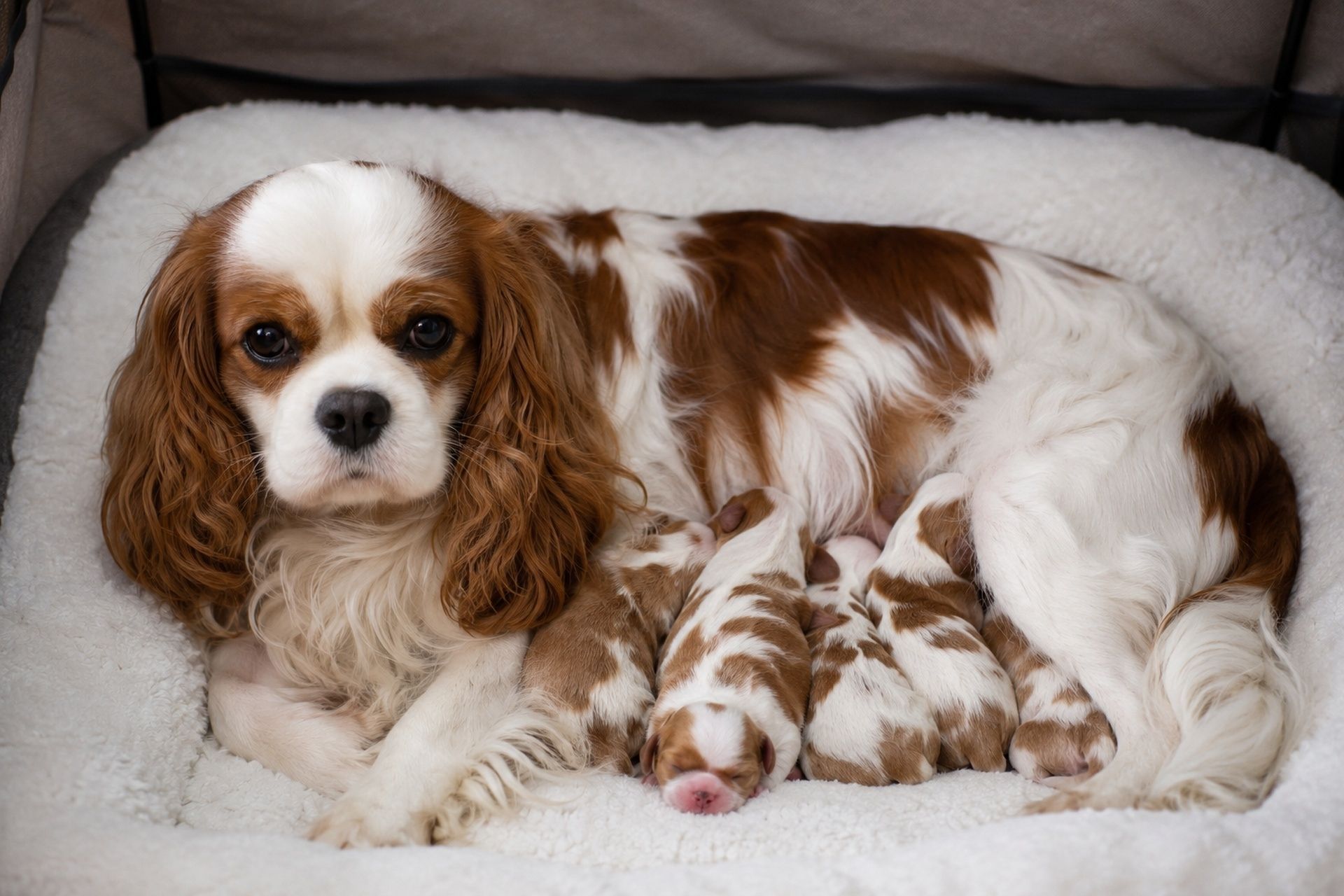
Virginia requires any person maintaining 30 or more dogs over the age of one for breeding purposes to obtain a commercial dog breeder license from the Virginia Department of Agriculture and Consumer Services (VDACS). You can review current licensee reports through VDACS to see which operations are currently registered. Breeders below that threshold may still need local business licenses depending on their county or city.
Virginia's dog breeder licensing requirements also include facility inspections, record-keeping mandates, and veterinary care standards. The state recently signed a ban on debarking procedures, which reflects the broader trend toward stricter animal welfare enforcement. If you're found in violation of state regulations, your insurance claim could be denied if the insurer determines you were operating outside legal compliance. That's a risk many breeders don't think about until it's too late.
General Liability vs. Professional Liability for Breeders
General liability covers bodily injury and property damage that happens on your premises or because of your operations. If a visitor gets bitten at your kennel, or a loose dog damages a neighbor's property, general liability responds. Most breeders understand this coverage intuitively because it mirrors what any business needs.
Professional liability is where things get specific to breeding. This coverage addresses claims arising from your expertise and the services you provide: selling a puppy with an undisclosed genetic condition, providing breeding advice that leads to a loss, or misrepresenting a dog's pedigree. Not every general liability policy includes professional liability, and many standard business policies explicitly exclude animal-related claims. You need a policy that's actually designed for what you do, not a generic commercial package that leaves gaps.
Essential Coverage Types for VA Breeding Operations
The right insurance program for a Virginia breeding operation typically includes several coverage types working together. Relying on a single general liability policy leaves significant gaps that could wipe out years of work.
Animal Bailee and Veterinary Reimbursement
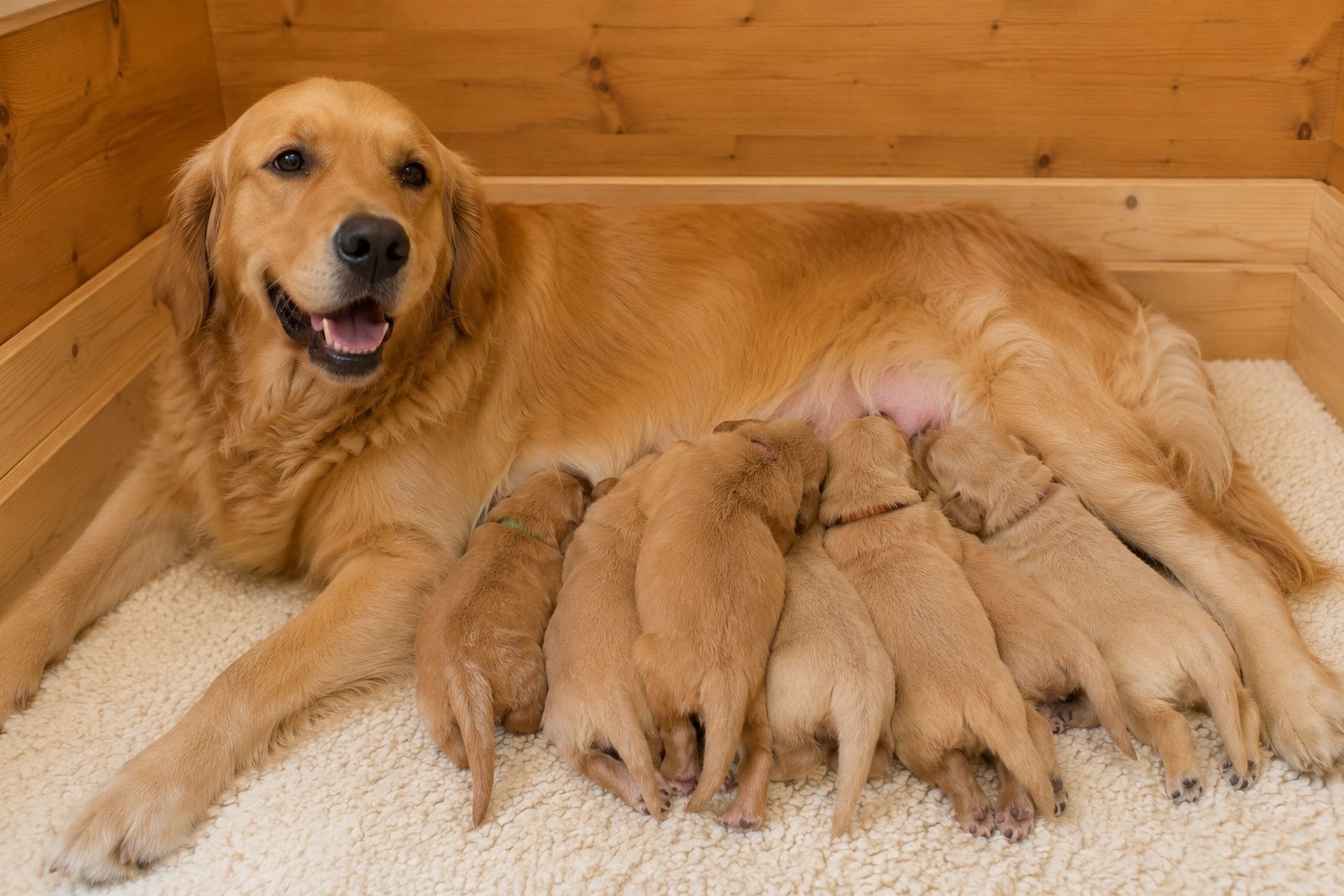
Animal bailee coverage protects you when animals belonging to other people are in your care. If you're boarding a stud dog for breeding, housing a female for whelping services, or keeping a puppy that's been sold but not yet picked up, bailee coverage responds if that animal is injured, becomes ill, or dies while under your supervision. Standard property insurance doesn't cover animals belonging to others.
Veterinary reimbursement coverage helps pay for emergency veterinary care for animals in your custody. If a visiting dog gets injured in your facility, or a puppy in your care needs emergency surgery, this coverage keeps you from absorbing those costs out of pocket. Some policies cap veterinary reimbursement at $1,000 to $2,500 per animal, so check the limits carefully.
Product Liability and Genetic Defect Claims
This is the coverage type that separates breeder-specific policies from generic business insurance. When you sell a puppy, you're essentially selling a product, and product liability applies. If a buyer claims their puppy developed hip dysplasia, a heart condition, or another genetic defect that you should have screened for, product liability coverage helps pay for legal defense and potential settlements.
Genetic defect claims have become more common as buyers grow more educated about breed-specific health issues. Virginia courts have upheld buyer claims where breeders failed to disclose known health risks in their breeding lines. A single genetic defect lawsuit can easily run $15,000 to $40,000 in legal costs alone, even if you ultimately win. Having coverage that specifically addresses these claims isn't a luxury: it's a financial necessity for any serious breeding program.
Property Coverage for Kennels and Equipment
Your kennel building, whelping boxes, fencing, heating and cooling systems, grooming equipment, and other business property need coverage too. Standard homeowner's insurance typically excludes business property and structures used for commercial purposes. If a fire destroys your kennel or a storm damages your fencing and dogs escape, you need a commercial property policy that covers the replacement cost.
Don't overlook business interruption coverage either. If your facility becomes unusable due to a covered loss, business interruption helps replace lost income while you rebuild. For breeders who depend on puppy sales as their primary income, even a few months of downtime can be financially devastating.
Comparing Standard vs. Specialized Breeder Policies
Most breeders start by looking at standard commercial policies because they're familiar and widely available. The problem is that standard policies weren't designed for the unique risks of breeding operations, and they often contain exclusions that gut the coverage you actually need.
A specialized breeder policy from a pet-industry-focused agency like Pet Professional Insurance Agency fills those gaps with coverage forms built specifically for animal-related businesses. The difference between the two becomes obvious when you compare them side by side.
Coverage Comparison Table
| Coverage Feature | Standard Commercial Policy | Specialized Breeder Policy |
|---|---|---|
| General Liability | Included, but may exclude animal bites | Included with animal bite coverage |
| Professional Liability | Rarely included | Typically included or available |
| Animal Bailee | Not available | Available with per-animal limits |
| Genetic Defect / Product Liability | Excluded or heavily limited | Specifically covered |
| Veterinary Reimbursement | Not available | Available with defined limits |
| Property (Kennel/Equipment) | May exclude business structures on residential property | Covers kennel structures and equipment |
| Business Interruption | Available but may not cover animal-related losses | Tailored to breeding operation downtime |
| Care, Custody, and Control | Typically excluded | Core coverage component |
The care, custody, and control exclusion in standard policies is the one that catches most breeders off guard. If an animal in your care is injured or dies, a standard policy won't pay because the animal was under your control when the loss occurred. Specialized policies are built around this exact scenario.
Factors Influencing Insurance Costs in Virginia
Insurance costs for VA dog breeder operations vary significantly based on several factors. Annual premiums for a small breeding operation typically range from $500 to $3,000 or more depending on the specifics of your business.
Breed matters enormously. Brachycephalic breeds, large guardian breeds, and breeds with known genetic health issues carry higher premiums because they generate more claims. A French Bulldog breeder will typically pay more than a Labrador Retriever breeder simply because of the health risks associated with the breed.
The number of dogs on your property, your annual revenue from puppy sales, your facility type (home-based versus dedicated kennel), and your claims history all factor into pricing. Breeders who maintain health testing records, use written contracts with buyers, and follow breed club health protocols often qualify for better rates because they present lower risk to insurers.
Your location within Virginia can also affect costs. Urban and suburban areas tend to have higher liability exposure due to proximity to neighbors, while rural operations may face different property risks. Working with an agency that understands pet-industry risk, like Pet Professional Insurance Agency, means your application goes through intake forms designed specifically for breeding operations rather than generic business questionnaires that miss important details.
Frequently Asked Questions About Breeder Insurance
Does my homeowner's insurance cover my breeding operation? Almost certainly not. Most homeowner's policies exclude business activities and specifically exclude liability for animals kept for commercial purposes. You need a separate commercial policy.
How many dogs can I have before Virginia requires a commercial breeder license? Virginia requires a commercial dog breeder license if you maintain 30 or more dogs over one year of age for breeding. Local ordinances may impose additional restrictions at lower numbers.
Can I get coverage if I only breed one or two litters per year? Yes. Many specialty insurers offer policies scaled to smaller operations. Your premiums will reflect your lower risk profile and smaller revenue.
What happens if a puppy buyer sues me for a genetic health issue? Product liability coverage within a breeder-specific policy covers legal defense costs and potential settlements related to genetic defect claims. Without it, you're paying out of pocket.
Do I need workers' compensation if I have kennel helpers? Virginia requires workers' compensation for most employers. Even if you only have part-time kennel staff, you likely need this coverage. Check with your agent for your specific situation.
How quickly can I get a policy in place? Pet Professional Insurance Agency typically responds within 24 to 48 hours, and many policies can be bound within a few business days once your application is complete.
Making the Right Choice for Your Kennel
Choosing insurance for your Virginia breeding operation comes down to understanding your specific risks and finding coverage that actually addresses them. A generic business policy with animal exclusions is worse than no coverage at all because it creates a false sense of security.
Start by documenting your operation: how many dogs you have, what breeds, your annual revenue, your facility details, and your health testing protocols. This information helps an experienced agent match you with the right coverage from specialty insurance markets that actually understand breeding operations.
Virginia's regulatory environment for breeders continues to tighten, and proper insurance is part of running a compliant, professional operation. If you're unsure where your current coverage stands, reach out to Pet Professional Insurance Agency for a review. Their team works directly with breeders across the Commonwealth and can identify gaps you might not know exist. Getting the right policy in place now is far less expensive than discovering you're uninsured after a claim hits.
Index
Pet Professional Insurance Agency is fully licensed and permitted to provide commercial insurance solutions for pet businesses across 12 states.
We proudly serve pet professionals throughout the Northeast, Mid-Atlantic, and Southeast. Powered by Joyce Insurance Agency, our team works with leading specialty carriers — including The Hartford, USLI, Nautilus, and Northland — to make sure veterinarians, groomers, boarding facilities, and pet-care businesses receive coverage that fits their real risks in Connecticut, Delaware, Georgia, Kentucky, Massachusetts, New Jersey, New York, North Carolina, Pennsylvania, South Carolina, Tennessee, and Virginia.
About the author
Barnaby Joyce
Founder, Pet Professional Insurance Agency · Licensed Insurance Producer
I started Pet Professional Insurance Agency because I watched pet businesses get handed generic policies that never fit. After years of placing coverage for veterinary practices, grooming salons, doggy daycares, and kennels through a generalist agency, I saw the same gaps over and over — and the same blank stares when an owner tried to explain care, custody, and control to an agent who had never insured an animal in their life.
So I built an agency that does one thing. I work directly with specialty carriers who actually want pet-industry risk, and I sit down with every client personally. You will not get a call center or a chatbot. You will get someone who already speaks your language and shops the market on your behalf. That is the whole idea.
Recommended coverages
Coverages that pair with general liability.
Most pet businesses build on general liability with the lines below. Explore each — every page cross-links to the
industries we serve.
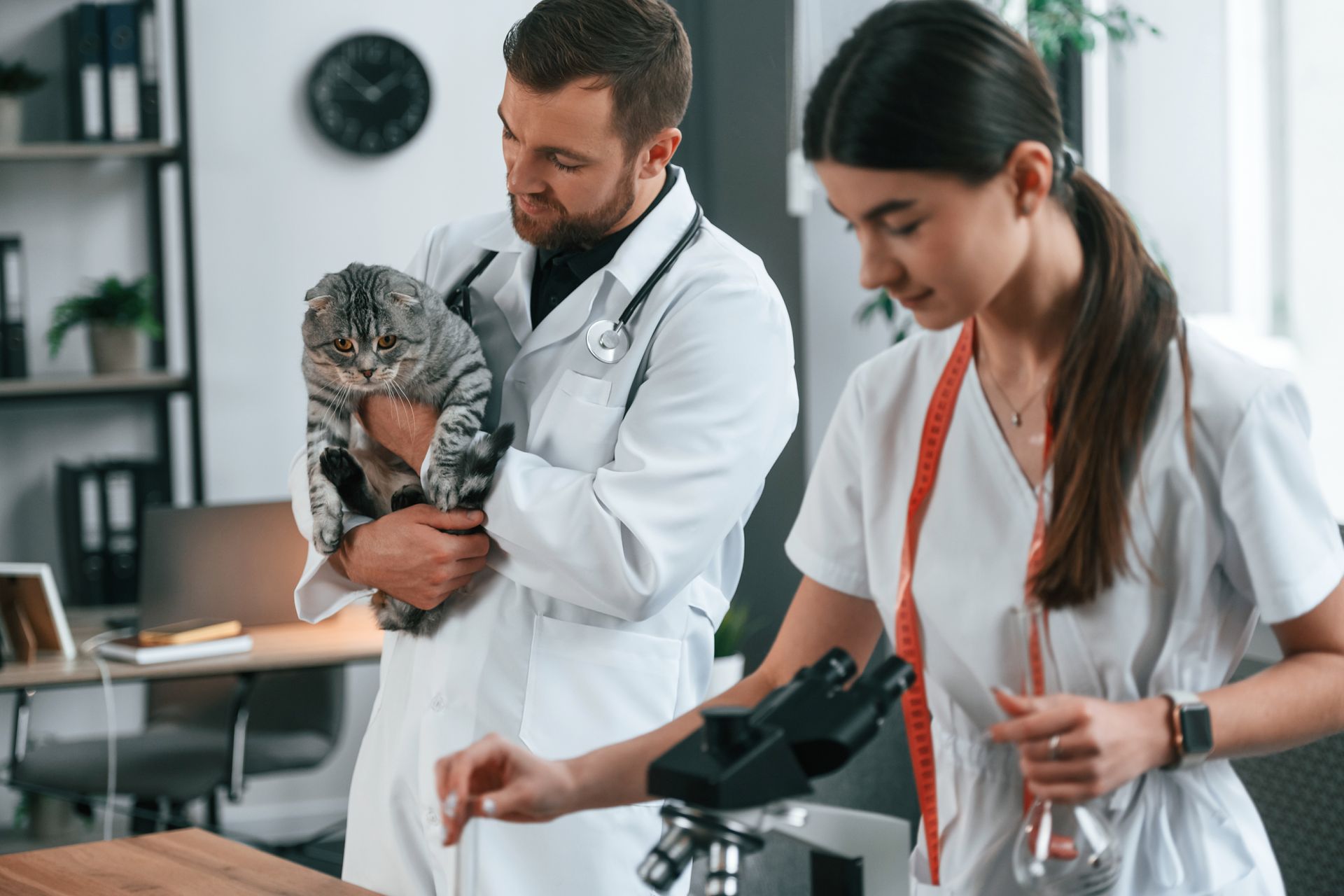
Services & advice
Professional Liability / E&O
Covers claims tied to your professional services and advice — clinical care, training guidance, and the judgment calls you make daily.
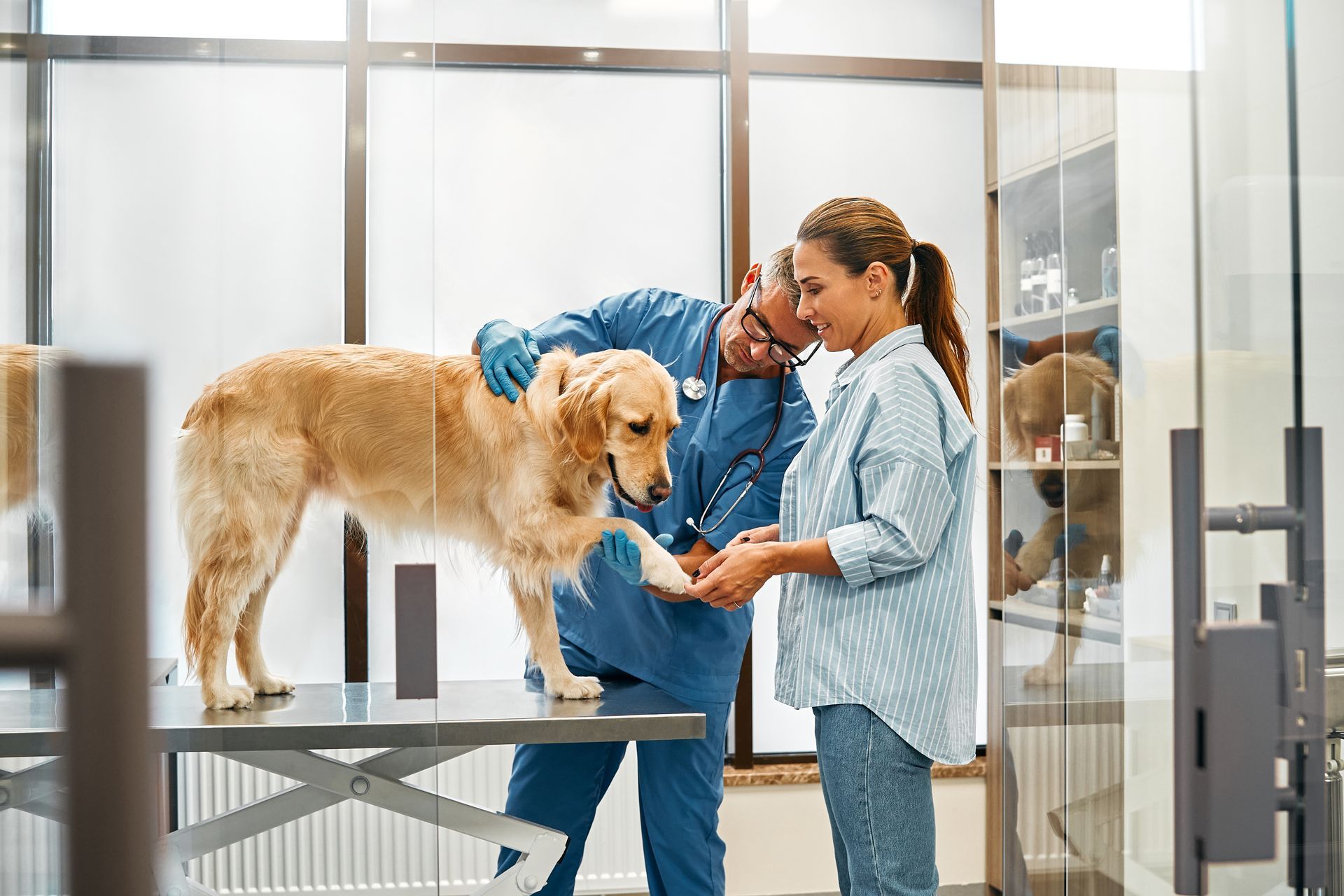
The pet-industry gap
Care, Custody & Control
Covers the animals in your charge against injury, illness, or loss — the critical exposure standard liability policies leave out.
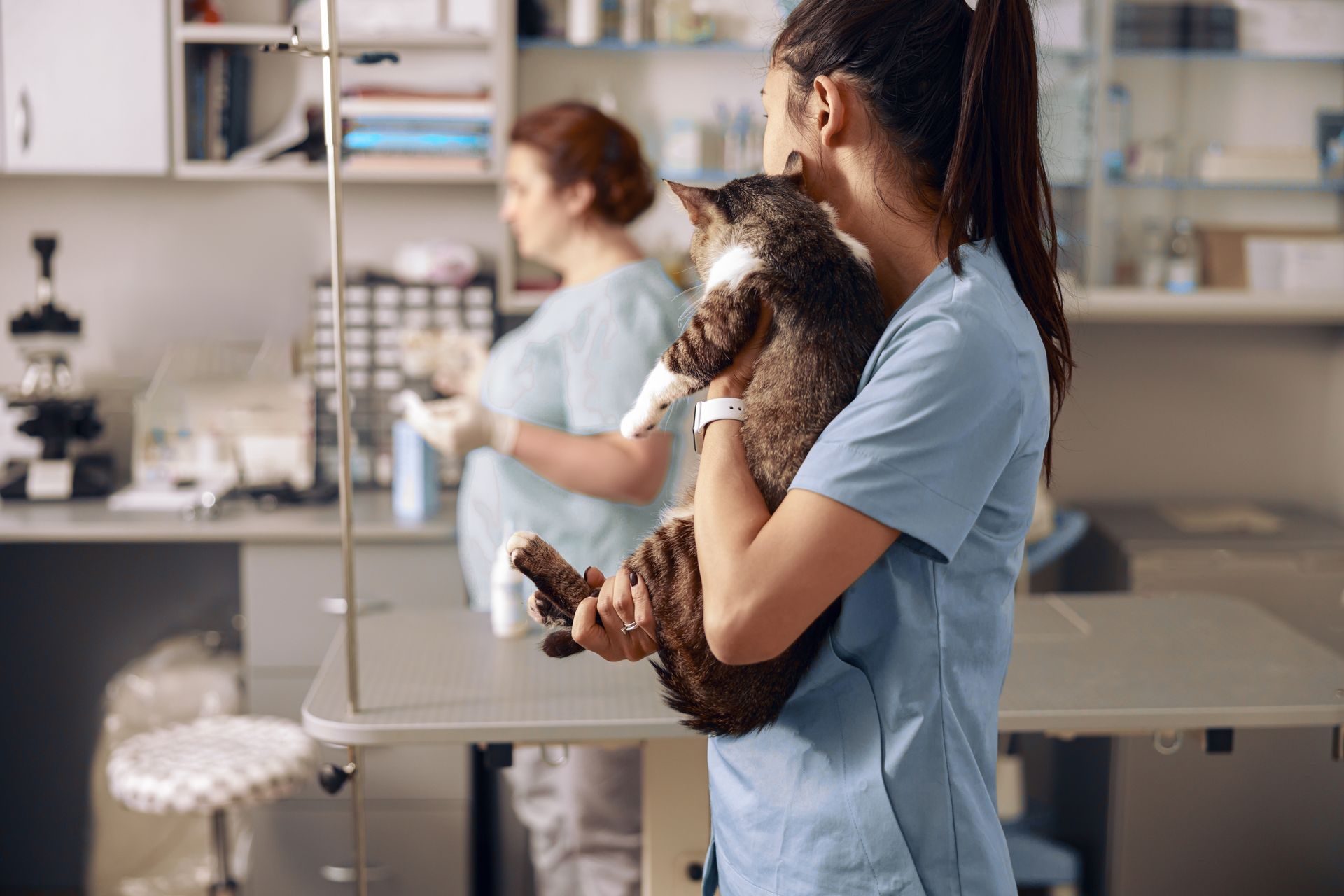
Bundled & cost-effective
Business Owners Policy (BOP)
Bundles property and general liability into one package built for small to mid-sized pet businesses — often the simplest base.
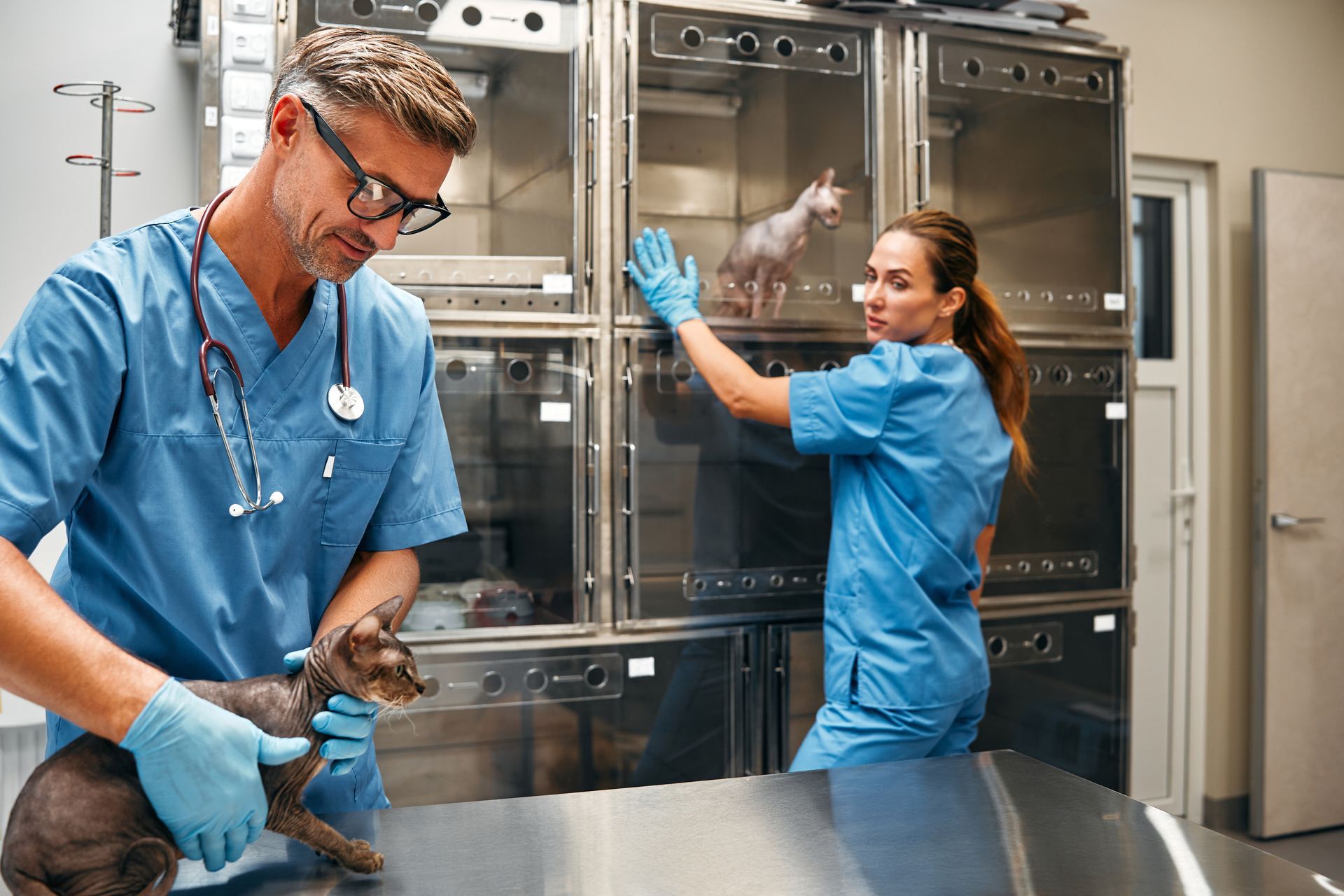
Your building & contents
Commercial Property
Protects your building, build-out, equipment, and inventory against fire, theft, and covered losses — front desk to back room.
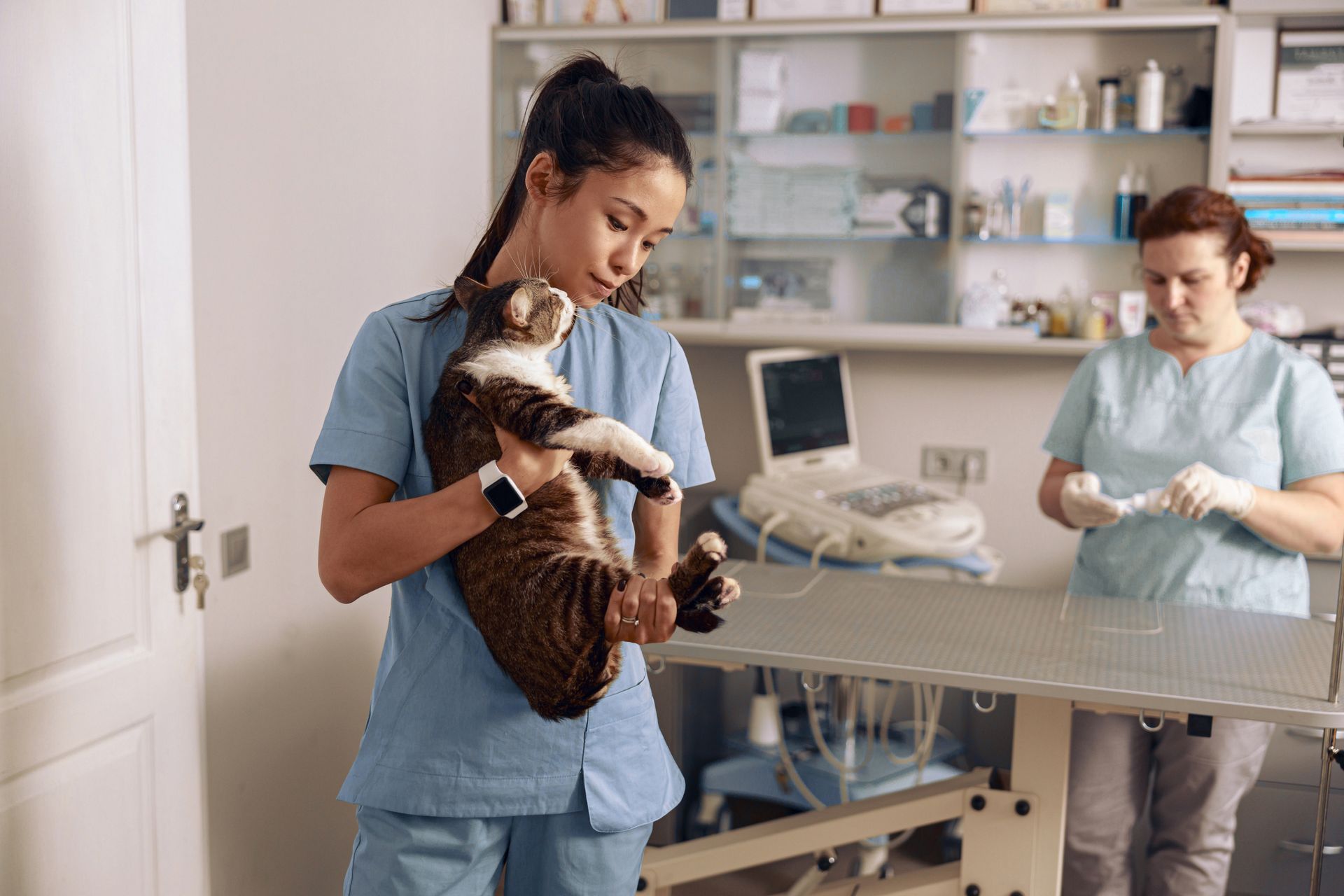
For your team
Workers’ Compensation
Covers medical costs and lost wages when a team member is hurt on the job — required in most states once you have employees.
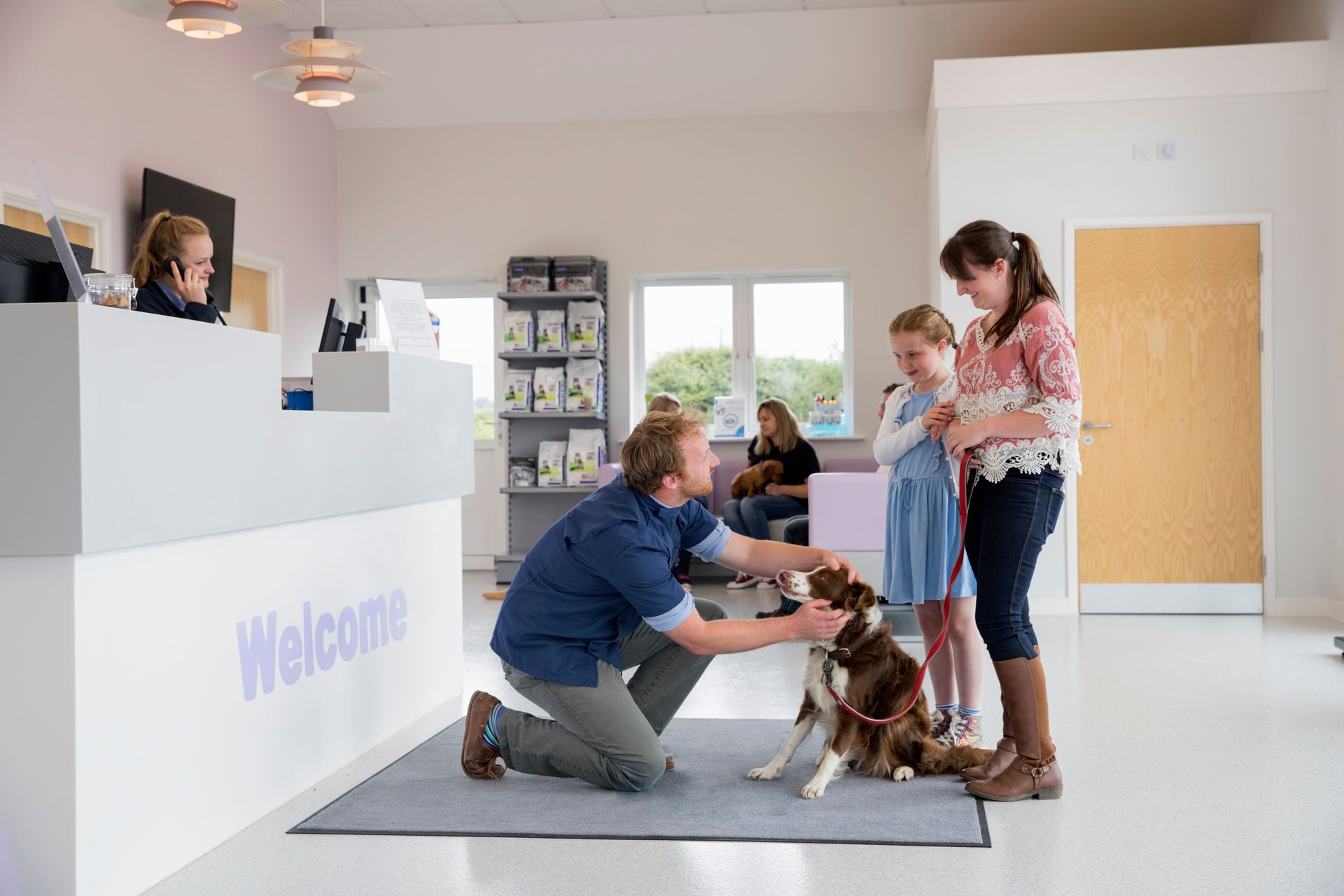
Extra protection
Commercial Umbrella
Adds liability limits above your primary policies for catastrophic claims that exceed standard coverage.
Coverage availability and terms vary by carrier and state. We recommend the right mix for your operation once we talk.
Industries we serve
Built for the businesses that care for animals.
General liability is the baseline for every segment we specialize in. Find the page built for your business.
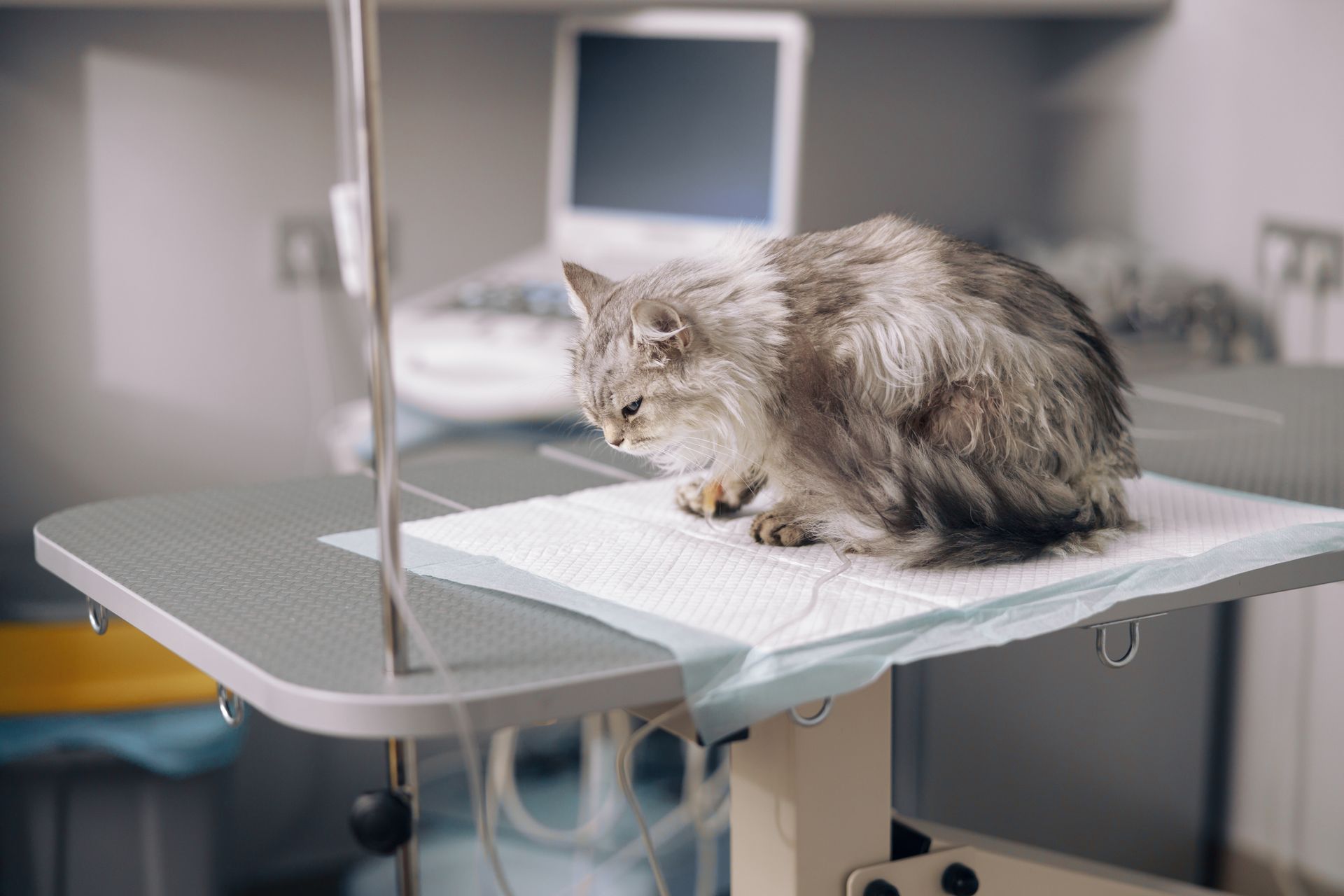
Clinical · high exposure
Veterinarians & Animal Hospitals
Professional and general liability, property, and workers’ comp for clinical operators with high exposure.
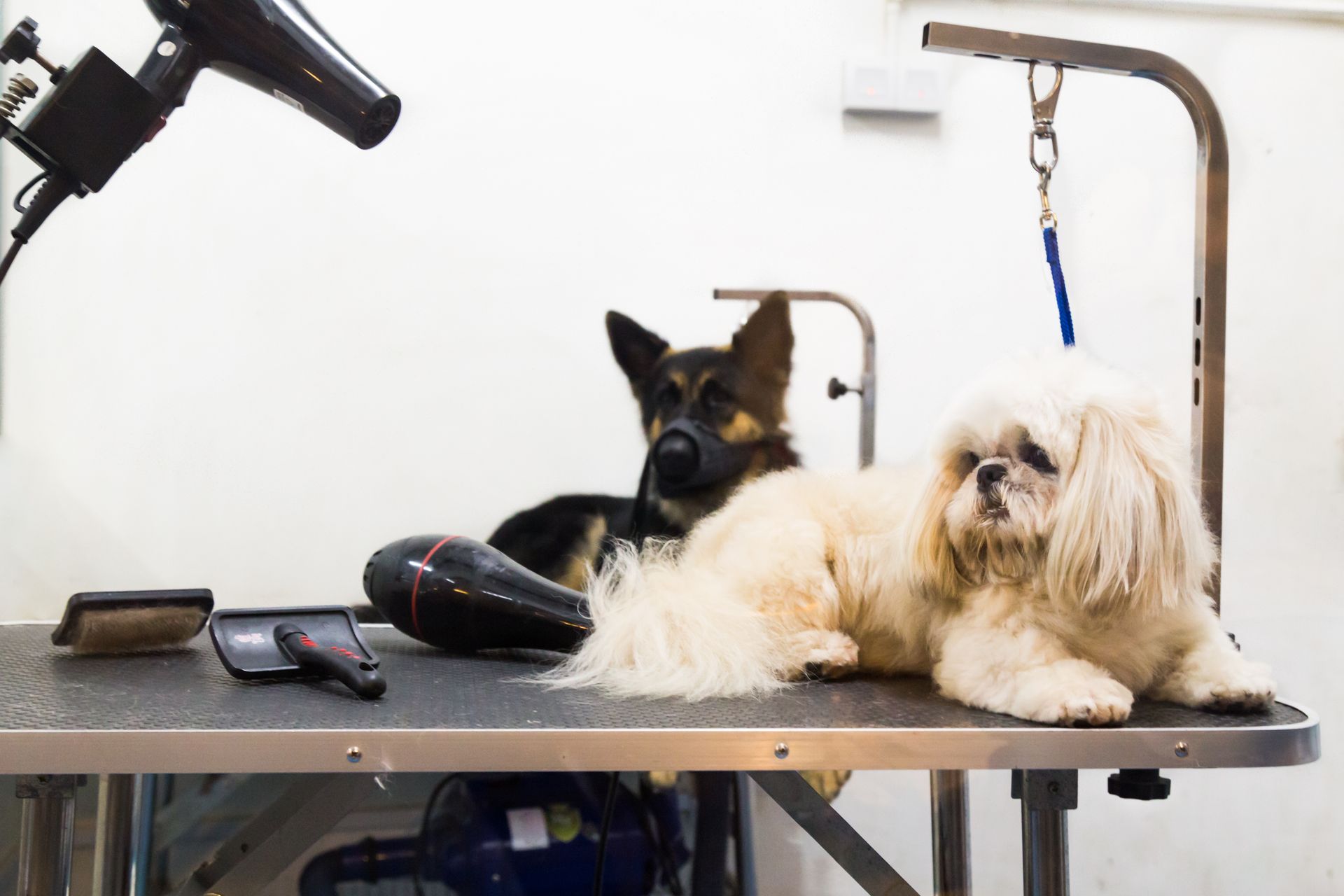
Hands-on · small business
Pet Groomers
Practical protection for animal handling, equipment, and the day-to-day of the grooming table, shop or mobile.
Safety-forward · overnight
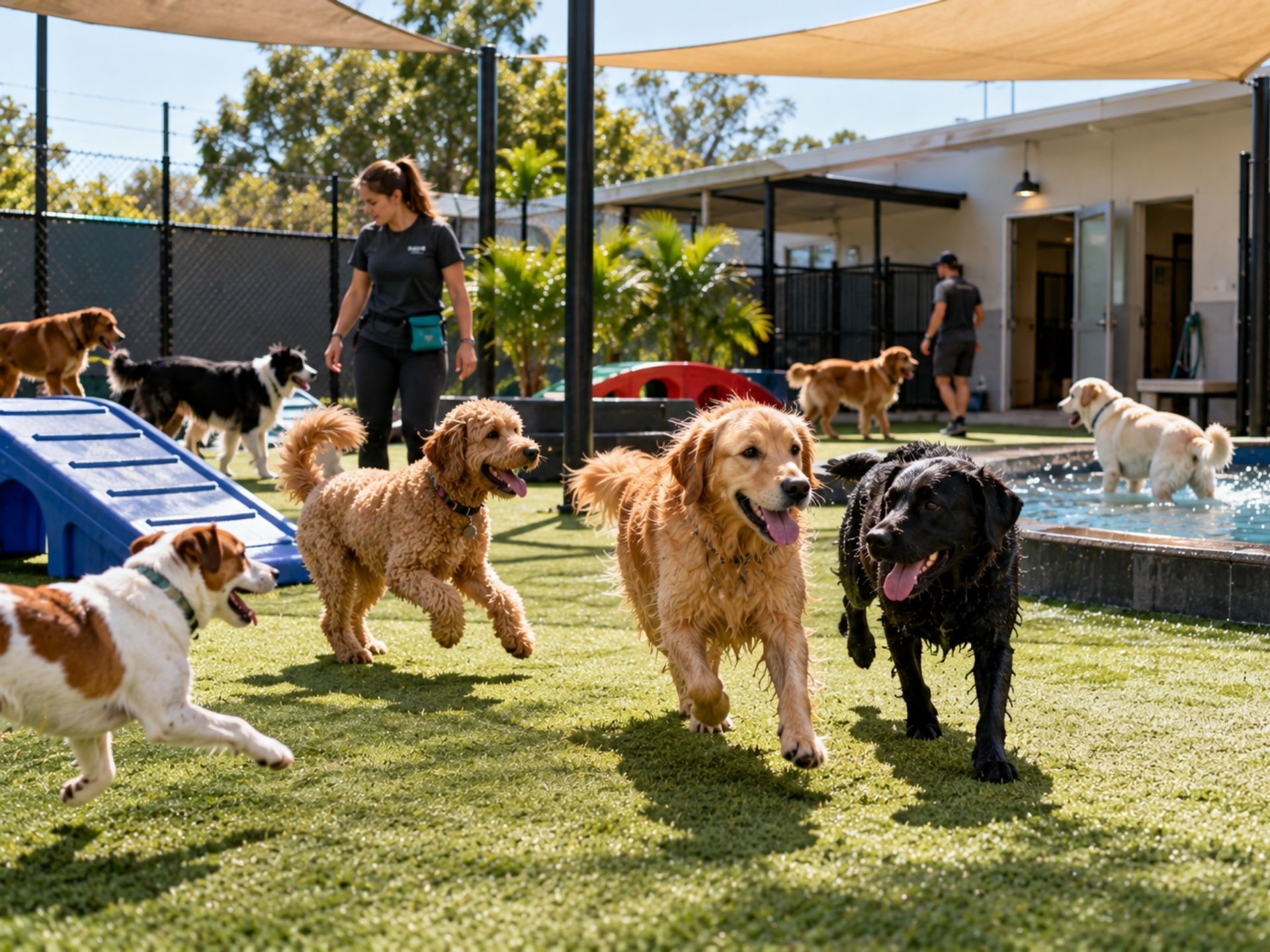
Doggy Daycare & Boarding
Coverage matched to facilities responsible for animals overnight and all day long.
Our reviews
Trusted by pet professionals.
See what owners say about working with a specialist who already understands their business.
Frequently asked
Questions pet pros ask us.
What kinds of pet businesses do you insure?
We insure businesses across the animal-care industry — veterinarians and animal hospitals, groomers, doggy daycares and boarding facilities, kennels and trainers, pet sitters and dog walkers, and pet stores. We also cover breeders, equine operations, pet transporters, shelters and rescues, pet photographers, and aquariums or wildlife facilities.
If your work involves caring for, handling, or selling animals, there is a strong chance we cover it. Tell us what you do and we will confirm.
What is care, custody, and control coverage, and why does it matter?
Care, custody, and control coverage protects you when an animal in your charge is injured, becomes ill, or is lost while in your care. Standard general liability policies often exclude this exact exposure, which leaves a serious gap for pet businesses.
For groomers, boarders, sitters, and clinics, this is one of the most important coverages you can carry. We make sure it is in place and sized to your operation.
How is an independent agency different from buying direct from a carrier?
A direct carrier sells you its own single policy. As an independent agency, we shop multiple specialty insurers and compare programs to find the coverage that fits your business and budget.
That means you get options instead of one quote, and an advocate who works for you, not the carrier. We also handle the renewals and claims support over the life of your policy.
How fast can I get a quote?
Most clients get quoted within one business day. Our industry-specific intake forms collect the right details up front, so we can take your information straight to the carriers without a long back-and-forth.
Need it sooner? Call a specialist directly at (346) 738-7297 and we will move quickly.
Which states do you serve?
We are licensed and actively writing coverage in 12 states: Connecticut, Delaware, Georgia, Kentucky, Massachusetts, New Jersey, New York, North Carolina, Pennsylvania, South Carolina, Tennessee, and Virginia.
We continue to add states as we grow. If you operate outside this list, reach out and we will let you know our latest footprint.
From the blog
Coverage notes for pet professionals.
Plain-language risk tips and coverage explainers, written for owners — not insurance pros.
Speak with a specialist
Let's find the right coverage for your business.
No quote bots, no funnel. Talk to a real pet-insurance specialist who already understands your operation — and shops multiple markets on your behalf.
Call us
(346) 738-7297
Toll-free 845-250-5366
Email
service@petindustryins.com
Visit Us
2 Joyce Plaza
Stony Point, NY 10980