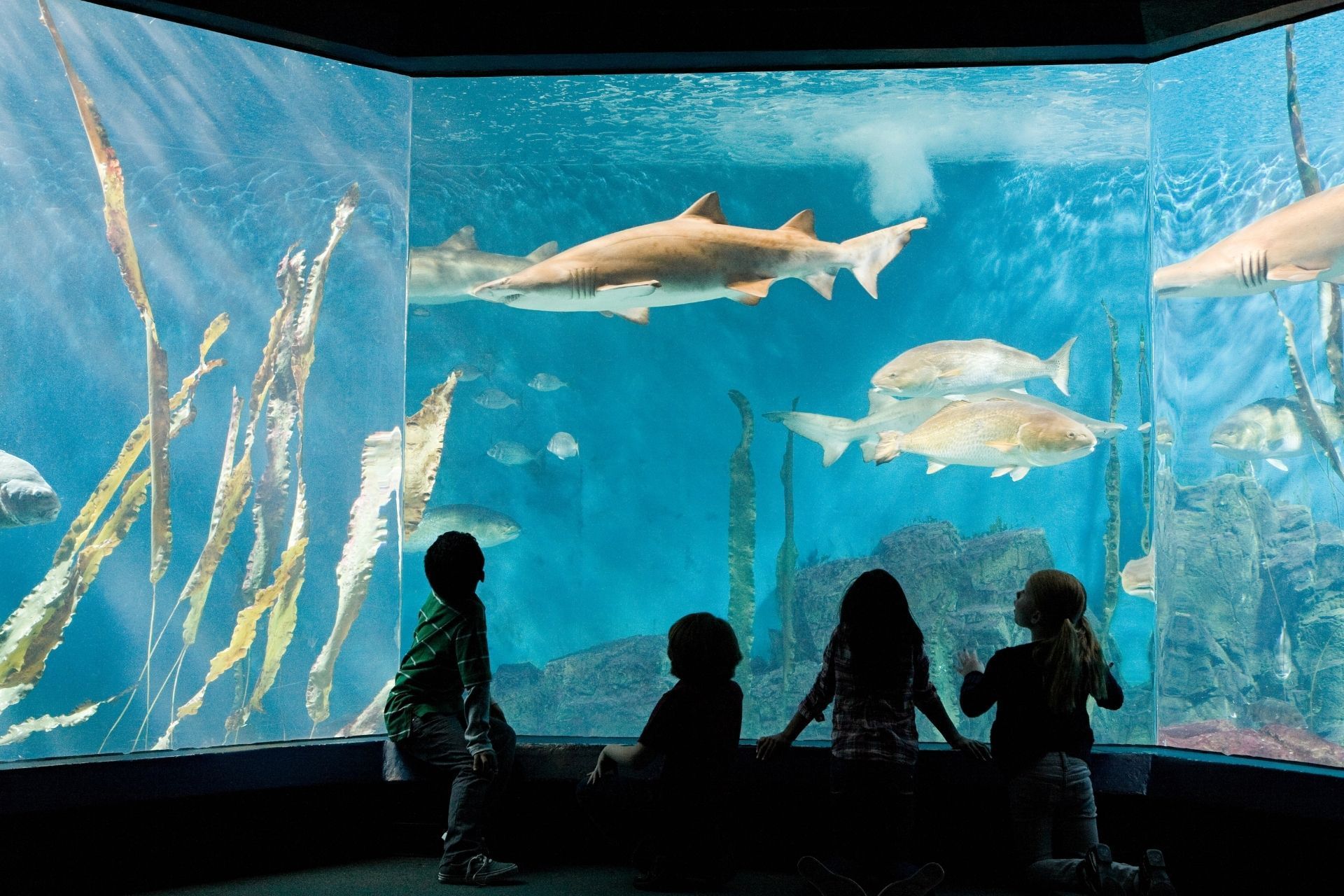
Running a public aquarium in Georgia means juggling water chemistry, animal welfare, staff safety, and a building full of visitors who sometimes do unpredictable things. One cracked viewing panel, one hurricane-season power outage, or one slip-and-fall lawsuit can cost more than an entire year's revenue. The insurance needs of aquarium operations are wildly different from a typical retail store or even a standard zoo, and most general commercial policies leave enormous gaps. Georgia's coastal exposure, its specific workers' compensation statutes, and the sheer value of marine life and life-support equipment all create a risk profile that demands specialized coverage. The global aquarium market is projected to reach $4.23 billion in 2026, and North American facilities represent a significant share of that figure. As operations grow in scale and complexity, so do the insurance stakes. Whether you run a large public attraction in Savannah or a smaller educational facility in Macon, understanding the coverage requirements, cost drivers, and compliance rules specific to Georgia aquarium operations is the difference between surviving a crisis and closing your doors. This guide breaks down exactly what you need to know.
Core Insurance Requirements for Georgia Aquarium Businesses
Georgia doesn't have a single "aquarium license" that spells out every insurance policy you need, but multiple state and local regulations create a patchwork of requirements. Most counties that issue business permits for public attractions will require proof of general liability coverage before you open, and any facility with employees must carry workers' compensation. Zoning permits for facilities housing exotic marine species may also trigger additional liability documentation.
One area that catches new operators off guard is the interaction between state animal welfare regulations and insurance. The Georgia Pet Coalition tracks ongoing 2026 legislative activity that affects how animals in commercial facilities are classified and protected. If your facility houses species covered under Georgia's exotic animal statutes, your policy needs to reflect that, because a standard commercial package won't.
State-Mandated Workers' Compensation Rules
Georgia law requires workers' compensation insurance for any business with three or more employees. Aquariums typically exceed that threshold quickly once you count divers, maintenance staff, ticket sellers, and educators. The penalties for non-compliance are steep: fines of up to $10,000, potential criminal misdemeanor charges, and personal liability for any workplace injuries.
Aquarium work carries risks that most office jobs don't. Divers face decompression injuries and encounters with venomous species. Maintenance crews handle heavy equipment and chemical treatments. Even front-of-house staff deal with wet floors and crowd management. Your workers' comp policy should specifically account for these job classifications, because an underwriter who doesn't understand aquarium operations might classify your divers as general laborers and leave you underinsured. An agency like Pet Professional Insurance Agency, which focuses on animal-care businesses, can help ensure your employee classifications match the actual hazards your team faces.
General Liability for Public Attractions
Any facility that invites the public through its doors needs general liability insurance. For aquariums, this covers everything from a child slipping on a wet observation deck to a visitor claiming emotional distress after witnessing an animal incident. Georgia courts have seen premises liability claims result in six-figure settlements, so carrying the state-minimum isn't enough for most operations.
Recent Georgia legislation has even toughened trespass penalties for items thrown into zoo and aquarium enclosures, reflecting how seriously the state takes public behavior at animal facilities. That said, even with stronger criminal penalties, the civil liability for injuries still falls on the facility operator. Most aquariums carrying $1 million per occurrence and $2 million aggregate in general liability find that adequate for mid-size operations, though larger facilities with higher foot traffic should consider umbrella policies.
Protecting Marine Life and Specialized Equipment
The animals and equipment inside an aquarium represent millions of dollars in value, and they're vulnerable in ways that ordinary business property isn't. A standard commercial property policy won't cover the death of a rare sea turtle or the failure of a $200,000 filtration system. You need coverage built specifically for these assets.

Animal Mortality and Health Coverage
Animal mortality insurance covers the financial loss when a specimen dies from covered causes: disease, accident, or equipment failure. Policies typically cover the replacement cost of the animal, which for rare or endangered species can run into six figures. Some policies also cover veterinary treatment costs for sick animals, which is critical when a single course of treatment for a marine mammal can exceed $50,000.
The catch is that underwriters scrutinize your husbandry protocols closely. They want to see documented water quality logs, quarantine procedures for new arrivals, and veterinary care agreements. If your records are thin, expect higher premiums or outright declinations. Working with an agency that understands animal care operations, like Pet Professional Insurance Agency, gives you an advantage because they know what documentation underwriters expect and can help you present your facility in the strongest possible light.
Filtration and Life Support System Insurance
A single equipment failure can kill every animal in a tank within hours. Life support systems, including filtration units, chillers, UV sterilizers, and backup generators, are the backbone of any aquarium. Standard property insurance often excludes mechanical breakdown, which means the most likely cause of catastrophic loss isn't even covered. One real-world case involved a cracked aquarium tank where equipment breakdown coverage became the central issue in the insurance claim, highlighting how critical this specific endorsement is.
Equipment breakdown coverage, sometimes called boiler and machinery insurance, fills this gap. It covers repair or replacement costs for mechanical and electrical failures, plus the resulting loss of animals and business income during downtime. For Georgia aquariums, where summer heat can push cooling systems to their limits, this isn't optional: it's essential.
Comparing Coverage: Basic vs. Comprehensive Plans
Not every aquarium needs the same level of coverage, but understanding the differences helps you avoid paying for what you don't need or, worse, skipping what you do.
| Coverage Element | Basic Plan | Comprehensive Plan |
|---|---|---|
| General Liability | $1M per occurrence | $2M+ per occurrence with umbrella |
| Workers' Compensation | State minimum | Enhanced with employer's liability |
| Animal Mortality | Not included | Full replacement value coverage |
| Equipment Breakdown | Not included | Covers mechanical/electrical failure |
| Business Interruption | Limited or none | Covers lost revenue during closures |
| Pollution Liability | Not included | Covers chemical spills and water discharge |
| Flood/Wind | Separate policy required | Bundled or coordinated with property |
A small educational aquarium with freshwater species and modest foot traffic might get by with a basic plan plus workers' comp. A large public facility with sharks, coral reef exhibits, and 500,000 annual visitors needs the comprehensive approach. The insurance industry outlook for 2026 shows stable conditions in both life and non-life sectors, which means competitive options are available if you shop through the right channels.
Factors Influencing Aquarium Insurance Premiums in GA
Your premium isn't just a number pulled from a rate table. Underwriters evaluate a dozen variables specific to your facility, and understanding them gives you some control over what you pay.
Location Risks and Coastal Storm Exposure
A facility in Tybee Island faces dramatically different wind and flood risks than one in Atlanta. Georgia's coast sits in a hurricane zone, and insurers price accordingly. Flood insurance through the National Flood Insurance Program or private markets is typically required for coastal facilities, and wind coverage may need to be purchased separately. Inland facilities still face tornado and severe thunderstorm exposure, but premiums are generally 20-40% lower than comparable coastal operations.
Your building construction matters too. A concrete block structure with impact-resistant glazing will cost less to insure than a steel-frame building with standard glass viewing panels. If you're building or renovating, consult your insurance agent before finalizing architectural plans, because small design choices can save thousands annually.
Tank Volume and Exotic Species Classification
Underwriters care about total gallons under management because volume correlates directly with potential loss. A 100,000-gallon facility with reef fish presents a different risk than a 2-million-gallon facility housing sharks and rays. The species you keep also matter: venomous lionfish, large predators, and marine mammals each carry different liability and mortality risk profiles.
Facilities housing CITES-listed or endangered species face additional regulatory compliance costs that can affect coverage terms. Your insurer may require proof of federal and state permits, and any lapse in permitting can void coverage. The 2026 insurance industry outlook remains positive for specialty lines, which means underwriters are willing to write these risks, but they want clean documentation.
Common Questions About Insuring Georgia Aquariums
Does Georgia require aquariums to carry liability insurance? There's no single state law mandating it, but most county and municipal permits for public attractions require proof of general liability before you can open. Practically speaking, you can't operate without it.
How much does aquarium insurance typically cost in Georgia? Annual premiums range from $5,000 for a small educational facility to $100,000 or more for large public attractions. The biggest cost drivers are location, tank volume, species, and annual visitor count.
Is flood insurance included in a standard commercial policy? No. Flood is always a separate policy, whether through federal programs or private insurers. Coastal Georgia facilities should treat this as mandatory.
Can I insure individual high-value animals separately? Yes. Many facilities schedule specific animals on their policy with individual declared values, similar to how a jeweler insures individual pieces.
What happens if my life support system fails and animals die? If you have equipment breakdown coverage and animal mortality insurance, both should respond. Without them, you're absorbing the full financial loss yourself.
Do I need pollution liability for my aquarium? If your facility discharges water, uses chemical treatments, or stores fuel for generators, pollution liability protects you from cleanup costs and third-party claims. It's especially relevant for coastal facilities near protected waterways.
Making the Right Choice for Your Facility
Georgia aquarium operators face a unique combination of risks that generic commercial insurance simply doesn't address. Between coastal storm exposure, the value of living collections, the complexity of life-support equipment, and the liability that comes with public access, the coverage gaps in a standard policy can be devastating.
The smartest move is working with an agency that already understands animal-care businesses. Pet Professional Insurance Agency works with multiple specialty insurance markets and can match your facility's specific risk profile to the right coverage, usually with a response within 24 to 48 hours. Their intake process is tailored to animal-care operations, so you're not explaining what a protein skimmer is to someone who's never seen one.
Get your coverage reviewed before your next renewal. A 30-minute conversation with a specialist agent can reveal gaps you didn't know existed, and in this industry, what you don't know absolutely can hurt you.
Index
Pet Professional Insurance Agency is fully licensed and permitted to provide commercial insurance solutions for pet businesses across 12 states.
We proudly serve pet professionals throughout the Northeast, Mid-Atlantic, and Southeast. Powered by Joyce Insurance Agency, our team works with leading specialty carriers — including The Hartford, USLI, Nautilus, and Northland — to make sure veterinarians, groomers, boarding facilities, and pet-care businesses receive coverage that fits their real risks in Connecticut, Delaware, Georgia, Kentucky, Massachusetts, New Jersey, New York, North Carolina, Pennsylvania, South Carolina, Tennessee, and Virginia.
About the author
Barnaby Joyce
Founder, Pet Professional Insurance Agency · Licensed Insurance Producer
I started Pet Professional Insurance Agency because I watched pet businesses get handed generic policies that never fit. After years of placing coverage for veterinary practices, grooming salons, doggy daycares, and kennels through a generalist agency, I saw the same gaps over and over — and the same blank stares when an owner tried to explain care, custody, and control to an agent who had never insured an animal in their life.
So I built an agency that does one thing. I work directly with specialty carriers who actually want pet-industry risk, and I sit down with every client personally. You will not get a call center or a chatbot. You will get someone who already speaks your language and shops the market on your behalf. That is the whole idea.
Recommended coverages
Coverages that pair with general liability.
Most pet businesses build on general liability with the lines below. Explore each — every page cross-links to the
industries we serve.
Services & advice
Professional Liability / E&O
Covers claims tied to your professional services and advice — clinical care, training guidance, and the judgment calls you make daily.
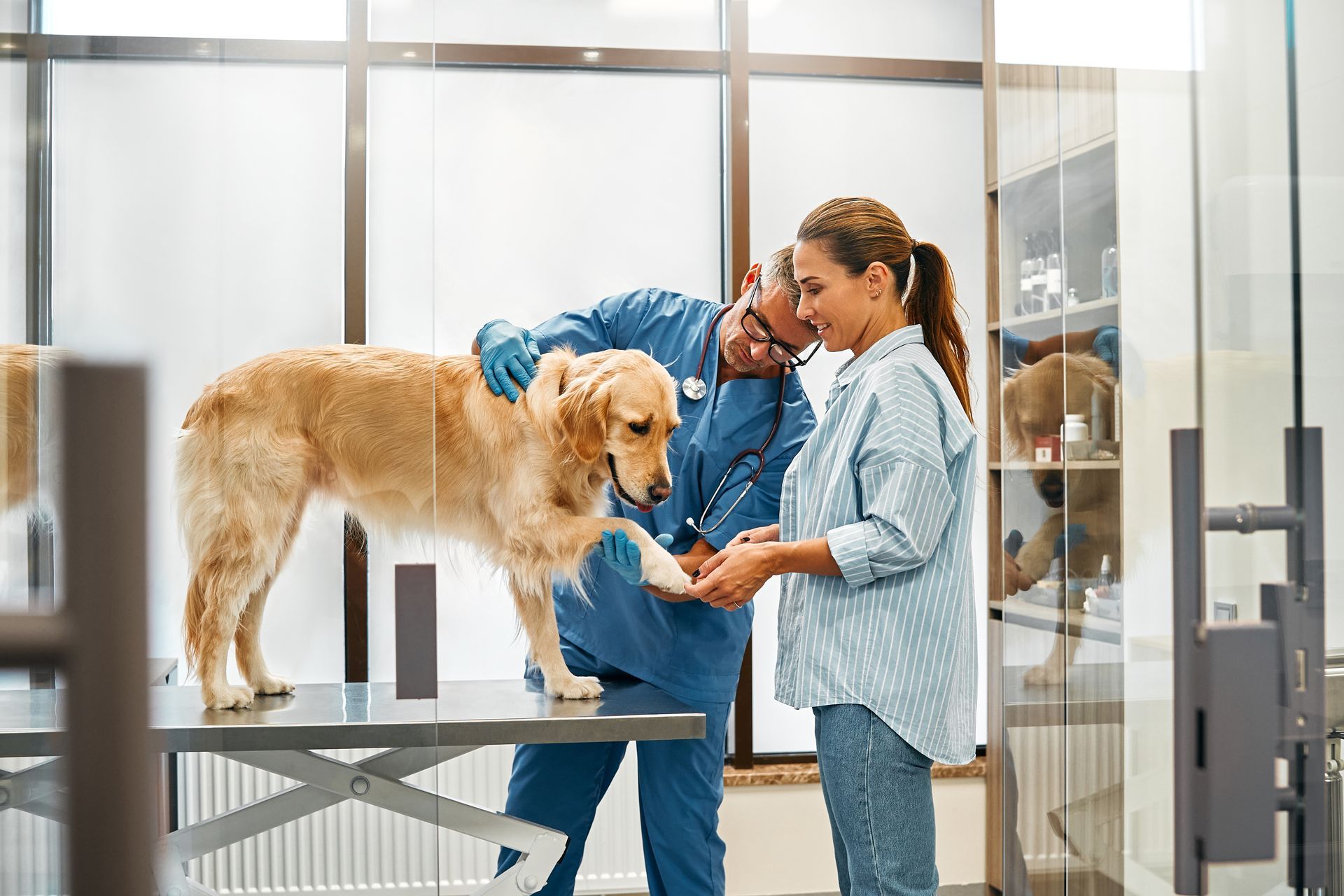
The pet-industry gap
Care, Custody & Control
Covers the animals in your charge against injury, illness, or loss — the critical exposure standard liability policies leave out.
Bundled & cost-effective
Business Owners Policy (BOP)
Bundles property and general liability into one package built for small to mid-sized pet businesses — often the simplest base.
Your building & contents
Commercial Property
Protects your building, build-out, equipment, and inventory against fire, theft, and covered losses — front desk to back room.
For your team
Workers’ Compensation
Covers medical costs and lost wages when a team member is hurt on the job — required in most states once you have employees.
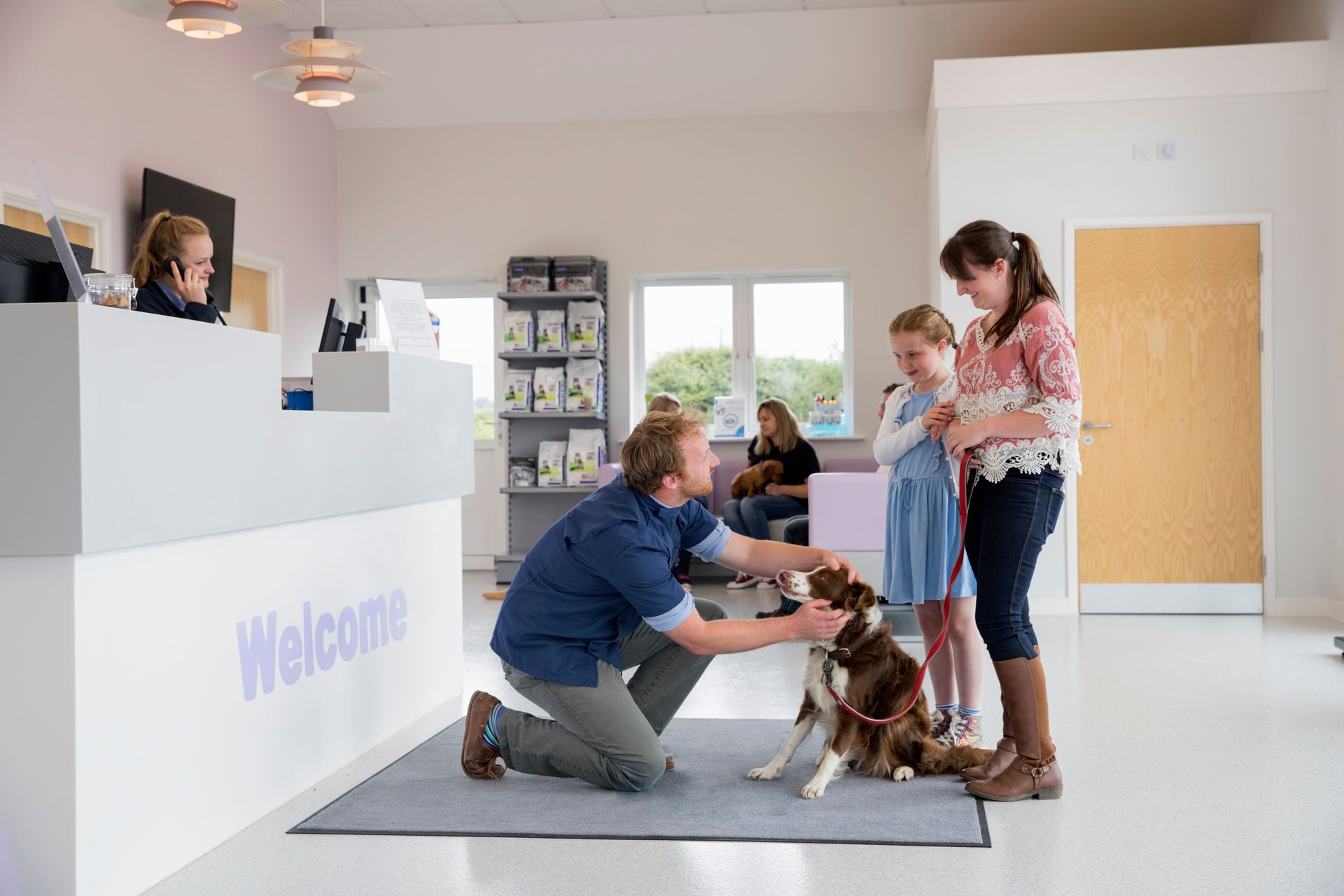
Extra protection
Commercial Umbrella
Adds liability limits above your primary policies for catastrophic claims that exceed standard coverage.
Coverage availability and terms vary by carrier and state. We recommend the right mix for your operation once we talk.
Industries we serve
Built for the businesses that care for animals.
General liability is the baseline for every segment we specialize in. Find the page built for your business.
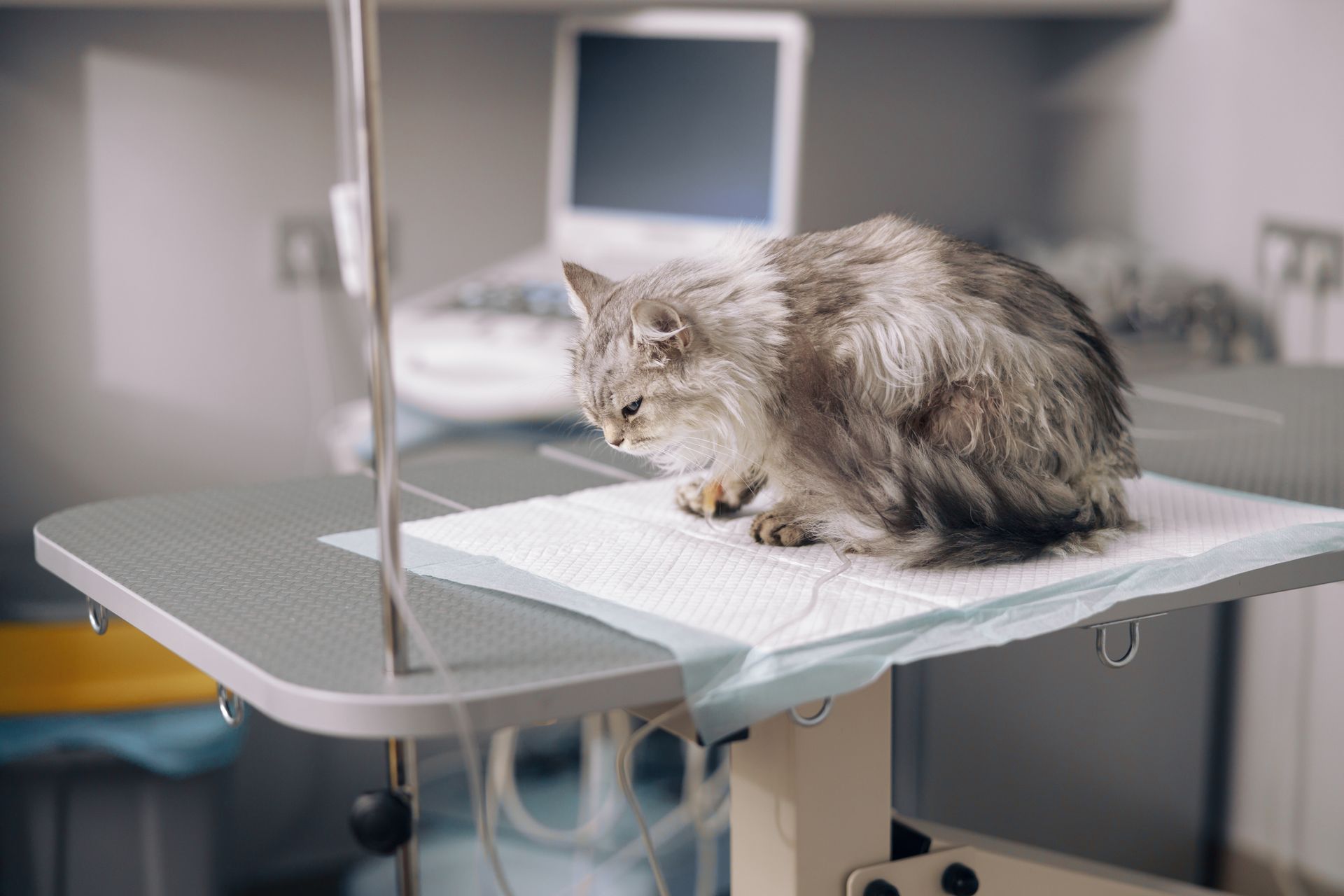
Clinical · high exposure
Veterinarians & Animal Hospitals
Professional and general liability, property, and workers’ comp for clinical operators with high exposure.
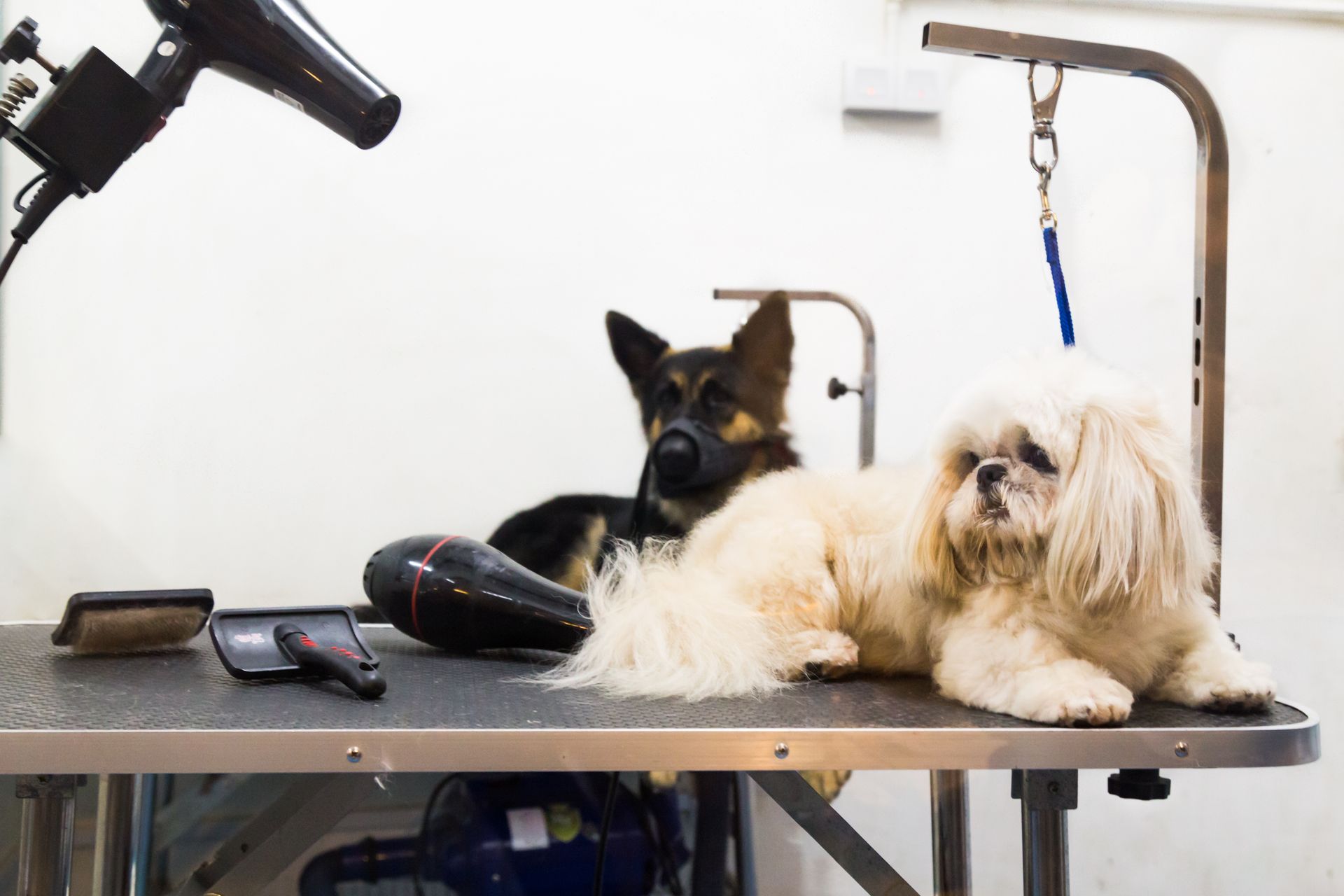
Hands-on · small business
Pet Groomers
Practical protection for animal handling, equipment, and the day-to-day of the grooming table, shop or mobile.
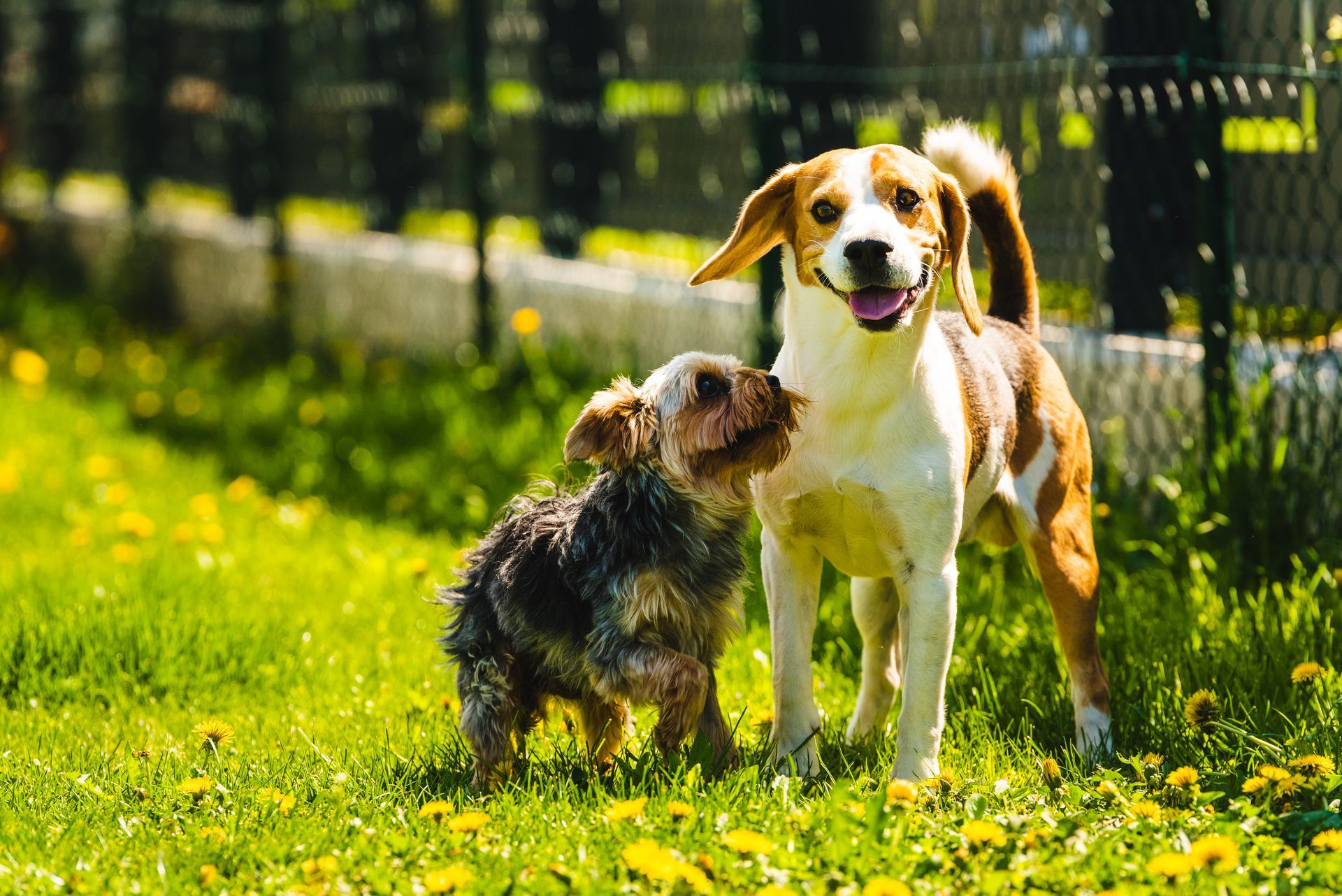
Safety-forward · overnight
Doggy Daycare & Boarding
Coverage matched to facilities responsible for animals overnight and all day long.
Our reviews
Trusted by pet professionals.
See what owners say about working with a specialist who already understands their business.
Frequently asked
Questions pet pros ask us.
What kinds of pet businesses do you insure?
We insure businesses across the animal-care industry — veterinarians and animal hospitals, groomers, doggy daycares and boarding facilities, kennels and trainers, pet sitters and dog walkers, and pet stores. We also cover breeders, equine operations, pet transporters, shelters and rescues, pet photographers, and aquariums or wildlife facilities.
If your work involves caring for, handling, or selling animals, there is a strong chance we cover it. Tell us what you do and we will confirm.
What is care, custody, and control coverage, and why does it matter?
Care, custody, and control coverage protects you when an animal in your charge is injured, becomes ill, or is lost while in your care. Standard general liability policies often exclude this exact exposure, which leaves a serious gap for pet businesses.
For groomers, boarders, sitters, and clinics, this is one of the most important coverages you can carry. We make sure it is in place and sized to your operation.
How is an independent agency different from buying direct from a carrier?
A direct carrier sells you its own single policy. As an independent agency, we shop multiple specialty insurers and compare programs to find the coverage that fits your business and budget.
That means you get options instead of one quote, and an advocate who works for you, not the carrier. We also handle the renewals and claims support over the life of your policy.
How fast can I get a quote?
Most clients get quoted within one business day. Our industry-specific intake forms collect the right details up front, so we can take your information straight to the carriers without a long back-and-forth.
Need it sooner? Call a specialist directly at (346) 738-7297 and we will move quickly.
Which states do you serve?
We are licensed and actively writing coverage in 12 states: Connecticut, Delaware, Georgia, Kentucky, Massachusetts, New Jersey, New York, North Carolina, Pennsylvania, South Carolina, Tennessee, and Virginia.
We continue to add states as we grow. If you operate outside this list, reach out and we will let you know our latest footprint.
From the blog
Coverage notes for pet professionals.
Plain-language risk tips and coverage explainers, written for owners — not insurance pros.
Speak with a specialist
Let's find the right coverage for your business.
No quote bots, no funnel. Talk to a real pet-insurance specialist who already understands your operation — and shops multiple markets on your behalf.
Call us
(346) 738-7297
Toll-free 845-250-5366
Email
service@petindustryins.com
Visit Us
8 Joyce Plaza
Stony Point, NY 10980