Coverage for veterinary practices
Yes. A state board complaint can trigger a rate increase, and multiple complaints may make it harder to find coverage. Many professional liability policies include regulatory defense coverage, which pays for legal representation during board investigations. This coverage is worth its weight in gold if you ever face a complaint, because board proceedings can be just as expensive as civil litigation.
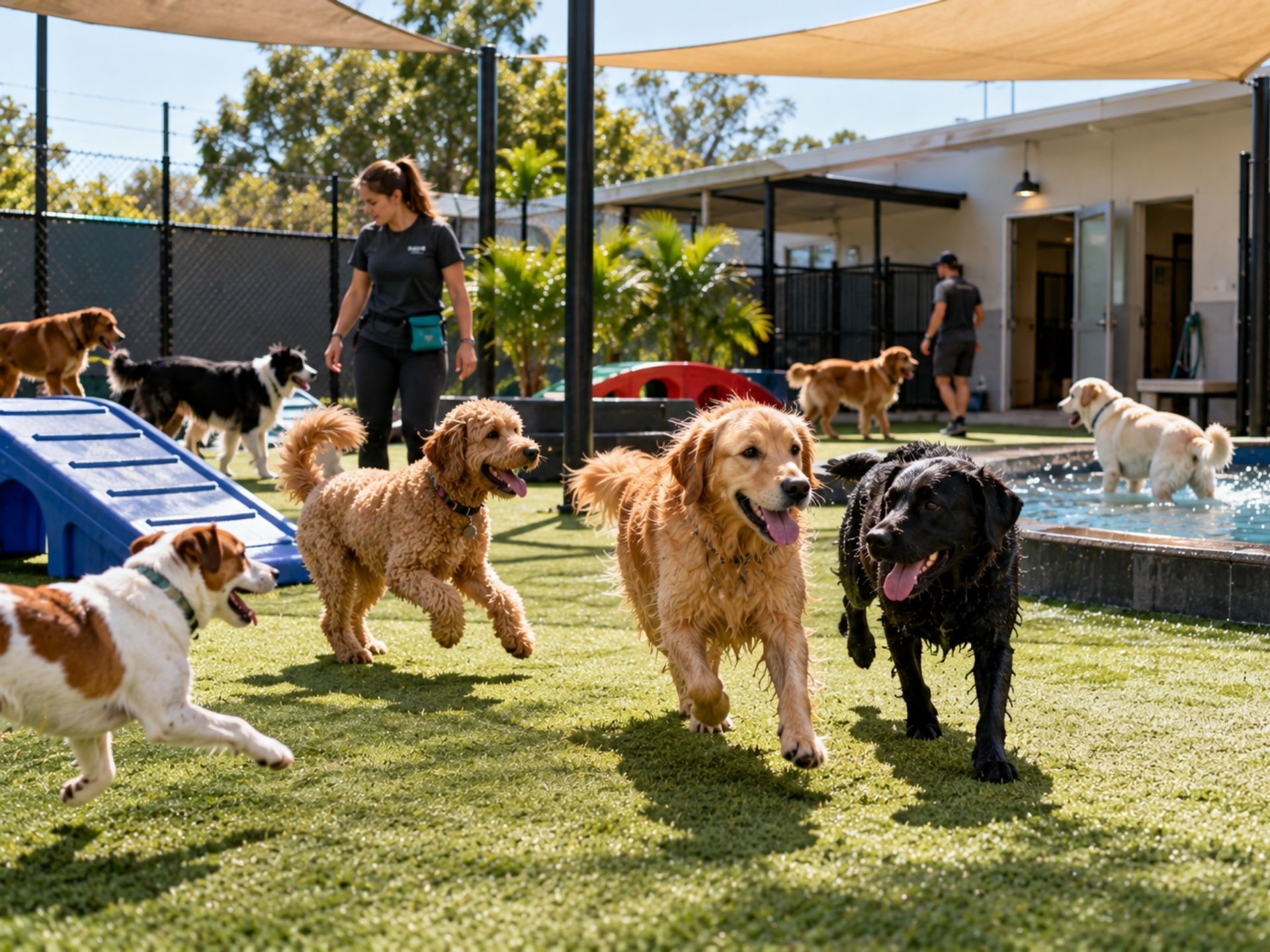
A single case of kennel cough can spiral from a minor cough into a major legal headache faster than most boarding facility owners expect. One dog picks it up, the owner demands answers, and suddenly you're fielding threats about veterinary bills, emotional distress, and negligence. Pet owners can pursue legal action if they believe a boarding facility failed to provide adequate care, and illness claims related to kennel cough and similar contagious conditions are among the most common lawsuits these businesses face. The reality is that dogs in group settings will sometimes get sick, just like kids in daycare. But "sometimes dogs get sick" isn't a legal defense. What matters is whether your facility took reasonable precautions, documented them, and responded appropriately when something went wrong. Whether you run a 10-kennel operation or a 200-dog facility, understanding how illness claims turn into lawsuits is the first step toward protecting yourself, your staff, and the animals in your care. This piece breaks down the legal exposure, the insurance gaps most facility owners don't know about, and the practical steps that can keep a coughing dog from becoming a courtroom battle.
Understanding Liability in Pet Boarding Illness
Most boarding facility lawsuits don't start with dramatic injuries. They start with a dog that came home coughing, lethargic, or worse. Pet owners who seek legal recourse after their animal becomes ill at a care facility typically argue that the business failed its duty of care. That duty is straightforward: you agreed to keep their pet safe and healthy while it was in your custody.
The legal concept at the center of nearly every illness claim is "bailment." When a pet owner drops off their dog, you become a bailee, meaning you've accepted temporary custody and responsibility. Courts generally hold bailees to a standard of reasonable care, not perfection. You don't have to guarantee a dog won't get sick. You do have to show you took reasonable steps to prevent it and responded properly when illness appeared.
What trips up many facility owners is the gap between what they actually do and what they can prove they did. You might have excellent sanitation practices, but if you can't produce records, logs, or protocols, a plaintiff's attorney will have a field day.
The Legal Definition of Negligence
Negligence in boarding illness claims comes down to four elements a pet owner must prove: duty, breach, causation, and damages. You owed a duty of care to the animal. You breached that duty by failing to meet a reasonable standard. That breach caused the illness. And the illness resulted in measurable damages like vet bills, medication costs, or in severe cases, the death of the pet.
The "breach" element is where cases are won or lost. A facility that requires vaccination records, isolates symptomatic dogs promptly, and maintains documented cleaning schedules has a strong position. A facility that skips any of those steps gives a plaintiff's attorney an opening. Real-world cases have shown that courts look at industry norms: if most reputable facilities require Bordetella vaccines and yours doesn't, that's a problem.
Common Triggers for Kennel Cough Lawsuits
Not every sick dog leads to a lawsuit, but certain patterns consistently escalate into legal action. The most common trigger is a dog that develops severe pneumonia or dies after boarding. Online forums are full of pet owners sharing stories about dogs that died shortly after being picked up from a facility, and those posts often include advice about filing claims.
Other common triggers include:
- Multiple dogs getting sick during the same period, suggesting a facility-wide outbreak
- Failure to notify the owner when symptoms first appeared
- No vaccination requirements on file
- Visible cleanliness issues documented by the pet owner (photos of dirty kennels, for example)
- A facility that continued accepting new dogs during a known outbreak
The emotional component matters too. Pet owners who feel dismissed or stonewalled are far more likely to hire an attorney than those who feel the facility was transparent and empathetic.
Standard General Liability vs. Animal Bailee Coverage
Here's where most boarding facility owners get blindsided: standard general liability insurance often doesn't cover illness claims involving animals in your care. General liability covers third-party bodily injury and property damage, like a client who slips on your wet lobby floor. But animals you've accepted custody of typically fall under a different coverage category entirely.
Animal bailee coverage, sometimes called "care, custody, and control" coverage, is specifically designed for situations where an animal is injured, becomes ill, or dies while in your possession. Without it, you could be personally responsible for veterinary bills, replacement costs, and legal defense fees. At Pet Professional Insurance Agency, we see this gap constantly: facility owners who assumed their general liability policy had them covered, only to discover it excluded animals in their care.
Comparison of Coverage Types
| Feature | Standard General Liability | Animal Bailee Coverage |
|---|---|---|
| Covers injuries to visiting clients | Yes | No |
| Covers illness/injury to boarded pets | Typically excluded | Yes |
| Legal defense for illness claims | May not apply | Usually included |
| Covers death of animal in your care | Rarely | Yes, up to policy limits |
| Property damage (your facility) | Yes | No |
| Required for most commercial leases | Yes | Not typically required |
The takeaway is simple: you need both. General liability handles the premises-related risks. Animal bailee coverage handles the risks that are unique to actually caring for animals. Working with an agency that understands pet-industry risk, like Pet Professional Insurance Agency, means your intake forms and policy structure are tailored to the specific exposures boarding facilities face, not generic business risks.
Risk Management: Preventing Disease and Litigation
Prevention is always cheaper than litigation. A solid risk management program does double duty: it reduces the chance of illness spreading through your facility and creates a documented trail that protects you if a claim does arise. Courts care about what you did and whether you can prove it.
Vaccination Protocols and Documentation
Every reputable boarding facility should require proof of current vaccinations before accepting a dog. At minimum, that means Bordetella (kennel cough), DHPP, and rabies. Some facilities also require canine influenza vaccines, which has become increasingly common since the H3N2 outbreaks of recent years.
The critical piece most facilities miss is documentation. Having a policy isn't enough. You need:
- A signed boarding agreement that lists vaccination requirements
- Copies of vaccination records on file for every animal
- A clear policy for what happens if a pet owner can't provide proof
- Documentation of any exceptions you've granted and why
Proper vaccination requirements serve as both a health measure and a legal shield. If a dog contracts kennel cough and you can show the owner signed an agreement acknowledging the risk and confirming their pet was vaccinated, your legal position improves dramatically. The responsibility pet owners share in ensuring their animals are properly vaccinated before entering a care facility is a key factor courts consider.
Sanitation Standards as a Legal Defense
Your cleaning protocols are evidence. Treat them that way. A well-documented sanitation program demonstrates that a facility meets or exceeds industry standards, which is exactly what you want to show a judge or jury.
Effective sanitation documentation includes daily cleaning logs with staff initials, the specific disinfectants used and their dilution ratios, and records of how quickly areas were cleaned after a symptomatic animal was identified. Use EPA-registered disinfectants effective against canine pathogens. Post your cleaning schedule where staff can access it easily, and audit compliance regularly.
One practical tip: take timestamped photos of your facility's condition periodically. If a pet owner later claims your facility was dirty, dated photos showing clean, well-maintained kennels are powerful evidence.
How to Handle an Incident Report
When a dog shows symptoms of illness during boarding, the clock starts ticking on both the medical and legal fronts. Your first move should always be isolating the symptomatic animal. Then document everything: what symptoms you observed, when you first noticed them, what actions you took, and who you contacted.
Create a standardized incident report form that staff can fill out quickly. Include fields for the animal's name, the date and time symptoms were observed, a description of the symptoms, the staff member who identified the issue, and what steps were taken. This form becomes a critical piece of evidence if a claim is filed months later.
Contact the pet owner as soon as reasonably possible. Don't wait until pickup. If you noticed the dog coughing at 10 a.m. and didn't tell the owner until 5 p.m. pickup, that delay will look bad in court. Having clear protocols for disease management and owner notification is something every boarding operation should formalize in writing.
Communicating with Distraught Pet Owners
This is where soft skills meet legal strategy. A pet owner whose dog is sick is scared and angry. How you handle that conversation can determine whether they call an attorney or leave a positive review about how well you managed a tough situation.
Be honest, be empathetic, and don't be defensive. Explain what symptoms you observed, what you did about it, and what you recommend they do next (usually a vet visit). Avoid admitting fault or making statements like "this has never happened before" or "we must have missed something." Those phrases sound like admissions and can be used against you.
Offer to share your incident report. Transparency builds trust. If the owner asks about covering vet bills, don't make promises on the spot. Tell them you'll look into it and follow up. Then contact your insurance agent immediately.
Common Questions About Boarding Illness Claims
Can a pet owner sue me even if their dog was vaccinated against kennel cough? Yes. The Bordetella vaccine doesn't prevent all strains, and pet owners can still argue your facility's conditions contributed to the infection. Vaccination reduces your liability but doesn't eliminate it.
How much can a pet owner recover in a lawsuit? Damages typically include veterinary bills, medication costs, and sometimes the "replacement value" of the animal. Some states allow claims for emotional distress, though these are harder to prove.
Do I need a signed waiver to protect myself? A waiver helps, but it's not bulletproof. Courts in some jurisdictions won't enforce waivers that attempt to release a business from liability for its own negligence. A well-drafted boarding agreement is stronger than a simple waiver.
Should I offer to pay vet bills if a dog gets sick at my facility? Talk to your insurance agent before offering anything. Voluntary payments can sometimes be interpreted as an admission of responsibility. Your policy may cover these costs, so let your carrier handle it.
How long does a pet owner have to file a lawsuit? Statutes of limitations vary by state, typically ranging from one to three years. This is why retaining records for at least three years is essential. Laws vary by jurisdiction, so consult a qualified attorney for guidance specific to your state.
Protecting Your Business Assets
A single illness claim can cost tens of thousands of dollars in legal fees and settlements, even if you did everything right. The facilities that survive these situations share a few traits: they document obsessively, they carry the right insurance, and they treat every pet owner interaction as if it might end up in front of a judge.
If you're running a boarding facility without animal bailee coverage, you're exposed in a way that could threaten your entire business. Pet Professional Insurance Agency specializes in exactly this kind of risk. With intake forms tailored to boarding operations and access to multiple specialty insurance markets, getting properly covered doesn't have to be complicated, and most clients hear back within 24 to 48 hours.
Don't wait for a sick dog to reveal the gaps in your protection. Review your policies, tighten your protocols, and make sure the coverage you carry actually matches the risks you face every day. Your business depends on it.
About the author
Barnaby Joyce
Founder, Pet Professional Insurance Agency · Licensed Insurance Producer
I started Pet Professional Insurance Agency because I watched pet businesses get handed generic policies that never fit. After years of placing coverage for veterinary practices, grooming salons, doggy daycares, and kennels through a generalist agency, I saw the same gaps over and over — and the same blank stares when an owner tried to explain care, custody, and control to an agent who had never insured an animal in their life.
So I built an agency that does one thing. I work directly with specialty carriers who actually want pet-industry risk, and I sit down with every client personally. You will not get a call center or a chatbot. You will get someone who already speaks your language and shops the market on your behalf. That is the whole idea.
Recent Posts