Coverage for veterinary practices
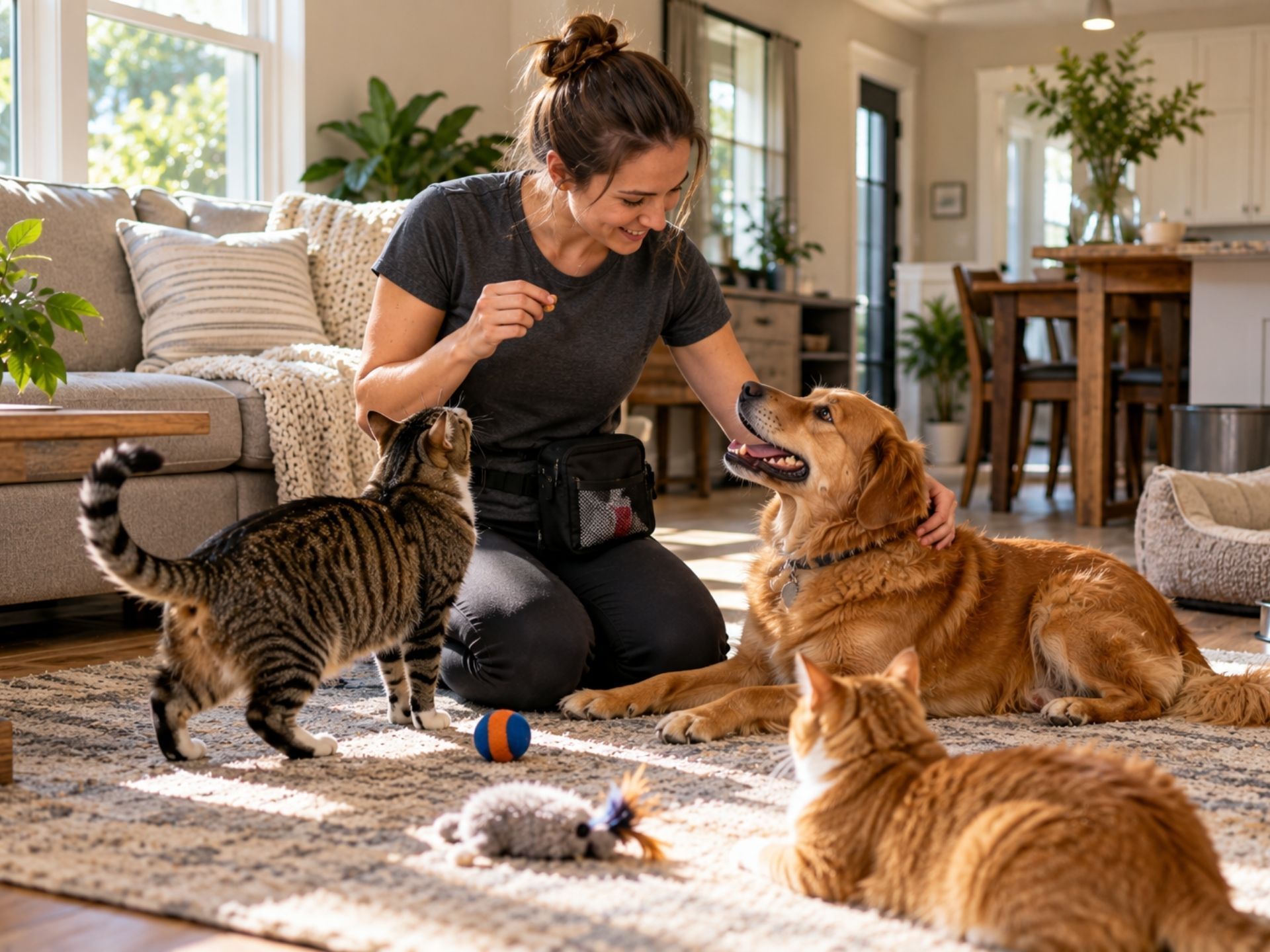
A groomer nicks a dog's ear during a routine trim. The wound needs stitches, and the owner wants the vet bill covered. The groomer files a claim on their general liability policy, confident they're protected, only to get a denial letter a few weeks later. The reason? The dog was in their care, custody, and control at the time of the injury, and that's specifically excluded from standard general liability coverage.
This scenario plays out constantly across the pet-care industry. A 2025 claims report found that routine services like grooming and boarding account for a surprising share of liability incidents, many of which fall squarely into this coverage gap. The care, custody, and control exclusion catches pet professionals off guard more than almost any other policy limitation. Whether you run a boarding facility, a mobile grooming van, or a solo dog-walking operation, understanding this exclusion isn't optional: it's the difference between a covered claim and a bill you pay out of pocket. Here's what you need to know and how to close the gap before it costs you.
Understanding the Care, Custody & Control Exclusion
Standard commercial general liability (CGL) policies contain a provision called the care, custody, and control exclusion, often abbreviated as CCC. It removes coverage for damage to property that's been entrusted to you. Since the law treats pets as personal property (more on that below), any animal a client hands over to you for services falls under this exclusion.
The logic behind CCC makes sense from an insurer's perspective. General liability is designed to cover accidents involving third parties: a customer slipping on your wet floor, or a dog in your care biting a passerby. It's not designed to cover damage to the very thing you've been hired to handle. That's a different risk category entirely, and it requires a different type of coverage.
Most pet professionals don't discover this gap until they file a claim. By then, they're staring at a denied claim and a client demanding reimbursement for a $3,000 vet bill.
Why General Liability Isn't Enough for Pet Professionals
General liability covers bodily injury and property damage to third parties. If a client trips over a leash in your lobby and breaks their wrist, your GL policy responds. If their dog escapes your facility and damages a neighbor's fence, GL likely covers the fence. But if that same dog injures itself while escaping? That's a CCC situation, and your GL policy stays silent.
The pet-care industry is unique because the "product" you're working with is alive, unpredictable, and emotionally significant to its owner. A dent in someone's car is a property claim. An injury to someone's dog is a property claim too, legally speaking, but it carries an emotional weight that often leads to larger demands and even lawsuits. The growing insurance needs of pet-care businesses reflect how quickly this industry has expanded and how the risks have grown alongside it.
The Legal Definition of Pets as Personal Property
This is the part that frustrates pet owners and pet professionals alike. Under the law in every U.S. state, pets are classified as personal property. They're in the same legal category as a laptop or a piece of furniture. That classification is what triggers the CCC exclusion: you've taken temporary possession of someone's personal property, and your GL policy excludes damage to property in your care.
Some states have begun recognizing "sentimental value" or "emotional attachment" in pet-related cases, which can increase the damages a court awards. But the property classification itself hasn't changed. For insurance purposes, a dog in your boarding kennel is legally no different from a car in a mechanic's garage. Both are someone else's property entrusted to your professional care, and both fall under CCC.
Real-World Scenarios Where CCC Coverage Triggers
Knowing the legal framework is one thing. Seeing how it plays out in daily operations makes the risk feel real.
Injuries During Grooming, Walking, or Boarding
Grooming injuries are the most common trigger. The pet grooming industry has seen significant growth in recent years, and more groomers means more incidents: clipper burns, nicked quicks, dogs jumping off tables, allergic reactions to shampoos. Each of these happens while the animal is in the groomer's care, so each one falls under CCC.
Dog walkers face similar exposure. A dog slips its harness and runs into traffic. A reactive dog injures itself lunging at another animal. A walker accidentally closes a car door on a dog's tail. Boarding facilities deal with kennel fights, dogs ingesting foreign objects, and heat-related illness during outdoor play. Every one of these situations involves damage to property (the pet) that's in your custody.
Accidental Loss or Escape of a Client's Pet
A gate left unlatched. A fence with a gap you didn't notice. A new employee who doesn't double-check the yard before opening the door. Escaped pets represent one of the most stressful and expensive CCC scenarios. You're potentially liable for the value of the animal, the cost of search efforts, and any injuries the pet sustains while loose.
Pet sitters face this risk in clients' homes too. Insurance for pet sitters needs to account for the fact that you're operating in an unfamiliar environment where you may not know every escape route a clever dog has already discovered. A CCC endorsement or animal bailee policy can cover the pet's value and related expenses if something goes wrong.
Comparing Coverage: General Liability vs. CCC Endorsements
The distinction between these two coverage types matters enormously, and it's worth seeing them side by side.
Comparison Table: Coverage Scope and Limits
| Scenario | General Liability | CCC Endorsement / Animal Bailee |
|---|---|---|
| Client slips and falls at your facility | Covered | Not applicable |
| Dog bites a passerby while in your care | Covered (third-party injury) | Not applicable |
| Dog injures itself during grooming | Excluded (CCC exclusion) | Covered |
| Pet escapes your facility and is lost | Excluded | Covered |
| Two boarded dogs fight; one is injured | Excluded | Covered |
| Allergic reaction to grooming product | Excluded | Covered |
| Dog damages another client's property | Covered (third-party property) | Not applicable |
| Pet dies from heatstroke in your care | Excluded | Covered |
The pattern is clear: if the animal belongs to your client and it's harmed while you have possession, GL won't help. You need a separate endorsement or standalone policy.
Working with an agency that understands these distinctions saves you from buying the wrong coverage. At Pet Professional Insurance Agency, we use intake forms tailored to each type of pet business: grooming, boarding, training, sitting, and more. That specificity matters because a boarding facility's CCC exposure looks very different from a mobile groomer's.
Common Questions About Pet Business Insurance
Does my basic business insurance cover a dog getting sick in my care?
Almost certainly not. If a dog develops illness symptoms while boarded or being watched, and the owner claims your facility caused it, that's a CCC claim. Your general liability policy will likely deny it. You'd need a CCC endorsement or animal bailee coverage to respond to that type of claim.
What is the difference between CCC and Animal Bailee coverage?
They're closely related but structured differently. A CCC endorsement is added to your existing GL policy and removes or narrows the CCC exclusion. Animal bailee coverage is a standalone policy designed specifically for businesses that take temporary custody of others' property, including animals. Some veterinary practices carry animal bailee insurance as a separate policy rather than an endorsement. The right choice depends on your business type and volume.
Do I need this if I only walk one dog at a time?
Yes. The number of animals doesn't change the legal exposure. If that one dog slips its collar and gets hit by a car, you're facing a claim that your GL policy won't cover. Solo operators sometimes assume their risk is too small to worry about, but a single incident can easily run into thousands of dollars.
How much does adding CCC coverage typically cost?
It varies based on your business type, revenue, location, and claims history. For many pet-care businesses, adding a CCC endorsement or animal bailee coverage runs a few hundred dollars per year. That's a fraction of what a single uncovered claim would cost. Pet Professional Insurance Agency can typically get you options within 24 to 48 hours because we work with multiple specialty markets that focus on pet-industry risks.
Will this cover vet bills if I'm not actually at fault?
That depends on the policy. Some CCC endorsements and animal bailee policies are "all-risk," meaning they cover damage to the animal regardless of fault. Others require negligence on your part. Read your policy carefully or ask your agent to explain the trigger. This is one of those details that makes a huge difference when a claim actually happens.
The Bottom Line for Your Pet Business
The care, custody, and control exclusion is one of the most common and most misunderstood gaps in pet business insurance. It affects every professional who takes temporary possession of a client's animal: groomers, boarders, sitters, walkers, trainers, and veterinary staff. If you haven't specifically addressed this exclusion in your policy, you're carrying more risk than you probably realize.
Get your policy reviewed by someone who understands pet-industry risks specifically. Generic insurance agents often miss the CCC gap because they don't see enough pet-care claims to know where the problems hide. At Pet Professional Insurance Agency, we deal with these exact situations daily, and we can tell you whether your current coverage actually protects the animals in your care or just looks like it does.
Reach out for a coverage review. It takes less time than you think, and the alternative: finding out you're uninsured in the middle of a claim: is a lesson nobody wants to learn the hard way.
About the author
Barnaby Joyce
Founder, Pet Professional Insurance Agency · Licensed Insurance Producer
I started Pet Professional Insurance Agency because I watched pet businesses get handed generic policies that never fit. After years of placing coverage for veterinary practices, grooming salons, doggy daycares, and kennels through a generalist agency, I saw the same gaps over and over — and the same blank stares when an owner tried to explain care, custody, and control to an agent who had never insured an animal in their life.
So I built an agency that does one thing. I work directly with specialty carriers who actually want pet-industry risk, and I sit down with every client personally. You will not get a call center or a chatbot. You will get someone who already speaks your language and shops the market on your behalf. That is the whole idea.
Recent Posts