Coverage for veterinary practices
Pet sitting is one of the few service industries where the provider routinely has unsupervised access to a client's home for extended periods. Dog walkers might be in and out in 30 minutes, but overnight pet sitters can spend days or weeks in someone's house.
That level of access makes clients nervous, and rightfully so. A bond doesn't eliminate the risk, but it provides a financial safety net that makes the arrangement feel less like a leap of faith. For clients with valuable collections, home offices full of equipment, or simply a strong sense of privacy, knowing their pet sitter is bonded can be the deciding factor. Agencies like Pet Professional Insurance Agency, which specialize in coverage for pet care businesses, often help sitters understand exactly what level of bonding makes sense for their client base and service model.
Start by listing every piece of equipment you own, along with the brand, model, purchase date, and what you paid for it. Take photos or video of each item. Keep receipts, invoices, and warranty documents in a digital folder. This inventory serves two purposes: it helps your agent calculate the right coverage limits, and it becomes your proof of ownership if you ever file a claim. Pet Professional Insurance Agency uses intake forms designed specifically for pet businesses, which means you won't waste time explaining what a forced-air dryer is or why a single pair of shears costs $500. Update this inventory at least once a year, or whenever you make a significant purchase.
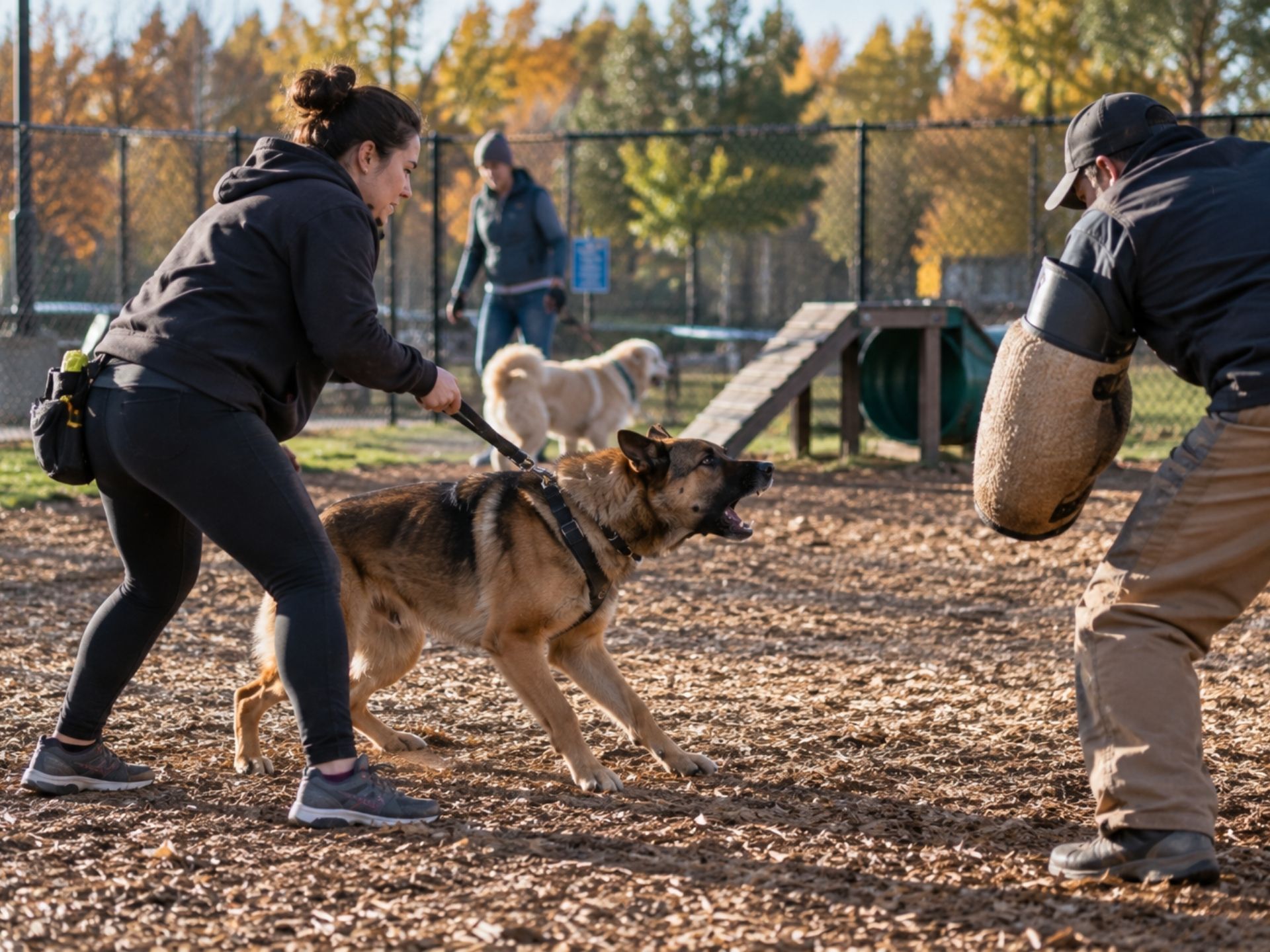
Your general liability policy should cover third-party bodily injury claims, including dog bites. The claim would be filed against your business, and your insurer would handle defense and settlement up to your policy limits. Larger packs with higher bite risk may need higher limits or a separate bite liability endorsement.
If you receive weekly shipments of fish, reptiles, or birds from wholesalers, those animals are at risk during transit. Delayed flights, temperature extremes during shipping, and rough handling kill animals before they ever reach your tanks. Some livestock coverage extends to animals in transit, but many policies only kick in once the animals arrive at your location. Clarify this with your agent before assuming you're covered for a dead-on-arrival shipment worth $3,000.
You just signed a lease for your new pet shop, and buried on page twelve is a clause requiring you to add your landlord as an "additional insured" on your
commercial general liability policy. If you're like most pet retail owners, you're not entirely sure what that means, how much it costs, or what happens if you ignore it. The request is standard across commercial real estate, but pet shops face a unique risk profile that makes the details matter more than they do for, say, a bookstore. Between live animals, aquarium equipment, grooming stations, and foot traffic from customers with their own pets in tow, the
liability exposure in a
pet retail space is real and varied. The U.S. pet industry
reached $158 billion in 2025 and continues growing in 2026, which means more pet shops, more leases, and more landlords asking for this exact endorsement. This guide walks through what the request actually involves, how to handle it without overpaying or leaving gaps in your coverage, and what pet shop owners specifically need to watch for.
Understanding Additional Insured Status for Pet Shop Owners
When your landlord asks to be added as an additional insured on your policy, they're asking for a specific type of protection tied to your business operations at their property. This isn't a separate policy or a vague handshake agreement. It's a formal endorsement added to your existing commercial general liability (CGL) policy that extends certain coverage benefits to a third party: in this case, your landlord.
The concept exists because landlords face liability exposure from tenant operations. If a customer gets bitten by a hamster in your store and decides to sue both you and the property owner, your landlord wants to know they're covered under your policy for claims arising from your business activities. That's the core of it.
Why Landlords Require This Endorsement
Landlords aren't being difficult when they make this request. They're managing risk. A property owner with ten commercial tenants faces ten different sets of potential claims. If your pet shop causes a liability event, like a water leak from a fish tank that damages the lobby, or a dog bite in the parking lot, the landlord could be named in a lawsuit simply because they own the building.
By requiring additional insured status, landlords ensure they have access to your liability coverage for incidents connected to your operations. This is especially common in multi-tenant retail spaces and strip malls where pet shops frequently operate. Most commercial leases written in 2026 include this requirement as boilerplate language, and failing to comply can put you in breach of your lease.
The Difference Between Named Insured and Additional Insured
The named insured is you: the pet shop owner or business entity listed on the policy declarations page. You have full rights under the policy, including the ability to make changes, file claims, and receive premium refund checks. The additional insured, by contrast, has limited rights. Your landlord gets coverage for claims arising from your operations at their property, but they can't modify the policy, and their coverage is typically limited to the scope described in the endorsement.
Think of it this way: you own the umbrella, and you're letting your landlord stand under it, but only when the rain is coming from your direction.
Common Risks in Pet Retail Environments
Pet shops carry a risk profile that makes underwriters pay close attention. You're combining live animals, water systems, electrical equipment, chemical cleaning products, and high foot traffic into a single retail space. That combination creates exposures most standard retail operations don't face.
Animal-Related Liability and Property Damage
Insurers paid out $1.86 billion for dog-related injury claims in 2025, and pet shops sit right in the middle of that risk. Bites, scratches, and allergic reactions from animals in your care are real concerns. A customer handling a parrot that bites, a child reaching into a puppy pen, or a reptile escaping its enclosure: these scenarios happen more often than you'd think.
Property damage is the other side. Aquarium failures can release hundreds of gallons of water in minutes, damaging flooring, walls, and even neighboring tenant spaces. Rodent inventory that escapes can cause problems throughout a building. Your landlord knows these risks exist, which is exactly why they want to be covered under your policy.
Slip-and-Fall Incidents involving Customers and Pets
Pet shops have wet floors near aquarium sections, loose bedding material near small animal displays, and customers walking leashed dogs through aisles. All of this creates slip-and-fall exposure that goes beyond typical retail. Customers who bring their own pets into your store add another variable: two dogs meeting in an aisle can create a tangle of leashes that trips someone.
These incidents generate claims against both the business and the property owner. A 2026 analysis of commercial property insurance trends shows that liability claims in retail spaces continue to drive premium increases, making proper coverage documentation more important than ever for both tenants and landlords.
Comparing Coverage: Standard Policy vs. Additional Insured Endorsement
Understanding what changes when you add your landlord helps you see what you're actually agreeing to. Your standard CGL policy covers your business for third-party bodily injury and property damage claims. The additional insured endorsement extends a portion of that coverage to your landlord, but with important boundaries.
Comparison Table: Coverage Scope and Limitations
| Feature | Standard CGL Policy | With Additional Insured Endorsement |
|---|---|---|
| Who's Covered | Named insured (your business) | Your business + landlord for tenant-related claims |
| Coverage Trigger | Claims from your operations | Claims arising from your operations at the leased premises |
| Policy Control | Full control by named insured | Landlord has no policy modification rights |
| Claim Filing | Named insured files claims | Landlord can tender claims under your policy |
| Premium Impact | Base premium | Minimal increase, typically $25-$75/year |
| Coverage Scope for Landlord | N/A | Limited to liability caused by tenant's operations |
| Landlord's Own Negligence | Not covered | Usually not covered (depends on endorsement form) |
The key takeaway from this comparison is that the endorsement doesn't give your landlord a blank check. It covers them for claims connected to what you do in their building, not for their own maintenance failures or negligence.
How to Process a Landlord's Request
Getting this done correctly takes a bit of coordination, but it's not complicated if you know the steps. Most pet shop owners can have this handled within a few business days.
Reviewing the Lease Insurance Requirements
Before calling your insurance agent, pull out your lease and find the insurance requirements section. Look for specific details: minimum coverage limits (often $1 million per occurrence and $2 million aggregate), whether they require a "primary and non-contributory" endorsement, and whether a waiver of subrogation is also needed. These details matter because your agent needs to match the endorsement to what the lease requires.
Pet shop owners working with an agency that specializes in pet-industry risks, like Pet Professional Insurance Agency, have an advantage here because the agent already understands the unique exposures in your lease that a generalist might miss. A boarding area in the back of your shop or a grooming station, for example, may trigger additional coverage requirements that a standard retail policy doesn't address.
Obtaining the Certificate of Insurance (COI)
Once you've reviewed the lease requirements, contact your insurance agent and provide them with the landlord's full legal name, mailing address, and any specific language the lease requires on the certificate. Your agent will add the additional insured endorsement to your policy and generate a Certificate of Insurance (COI) that proves the endorsement is in place.
Pet Professional Insurance Agency typically turns these requests around within 24 to 48 hours, which is helpful when landlords want documentation before you take possession of the space. Make sure the COI lists the correct policy period, coverage limits, and the landlord's name exactly as it appears in the lease. Even small discrepancies, like using "LLC" instead of "L.L.C.," can cause a landlord's property manager to reject the certificate.
Common Questions About Pet Shop Insurance Requirements
Does adding a landlord increase my premium?
In most cases, the increase is minimal: typically between $25 and $75 per year. Some policies include one or two additional insured endorsements at no extra charge. The cost depends on your insurer and the specific endorsement form used, but this shouldn't be a budget concern for most pet shop owners.
How long does it take to get an additional insured endorsement?
Most endorsements can be processed and a COI issued within one to three business days. If you're working with an agent who understands the growing insurance needs of pet-care businesses, turnaround is often faster because they already have the right forms and market relationships in place.
What happens if I don't add my landlord to the policy?
You'll likely be in breach of your lease, which can trigger penalties, lease termination, or forced-placement insurance that the landlord buys on your behalf and bills to you at a much higher rate. Don't ignore this requirement.
Can I remove a landlord from my policy if I move locations?
Yes. Once your lease ends, contact your agent to remove the endorsement. This is straightforward and usually takes effect immediately. You'll want to add your new landlord at the new location simultaneously.
Does this cover the landlord for their own negligence?
Generally, no. Most additional insured endorsements only cover the landlord for claims arising from your operations. If the landlord's failure to maintain a stairway causes someone to fall, that's on their own insurance policy. Some lease agreements try to require broader coverage through "primary and non-contributory" language, so have your agent review the exact wording. Laws on this vary by state, so consulting a qualified attorney about your specific lease terms is always a smart move.
Protecting Your Business Interests Long-Term
Handling your landlord's additional insured request is just one piece of running a properly protected pet retail business. The pet industry continues to see strong growth trends, which means more competition, more locations, and more complex lease arrangements as pet shops expand or relocate.
Get in the habit of reviewing your insurance annually, not just when a landlord sends a request. Your coverage needs change as you add services like grooming, training classes, or puppy socialization events. Each new activity creates new exposures that your policy needs to reflect. An agent with deep experience in pet-business insurance can spot gaps that a generalist might overlook, whether that's care, custody, and control coverage for animals in your possession or professional liability for advice you give customers about pet care.
Keep copies of every COI you send to landlords, and set calendar reminders to send updated certificates when your policy renews. Landlords and their property managers track this, and a lapsed certificate can trigger unnecessary friction in an otherwise good tenant relationship. The few minutes you spend staying organized here protect both your lease and your business reputation. If you're unsure whether your current policy is structured correctly for your pet shop's specific risks, reach out to Pet Professional Insurance Agency for a review tailored to your operation.
About the author
Barnaby Joyce
Founder, Pet Professional Insurance Agency · Licensed Insurance Producer
I started Pet Professional Insurance Agency because I watched pet businesses get handed generic policies that never fit. After years of placing coverage for veterinary practices, grooming salons, doggy daycares, and kennels through a generalist agency, I saw the same gaps over and over — and the same blank stares when an owner tried to explain care, custody, and control to an agent who had never insured an animal in their life.
So I built an agency that does one thing. I work directly with specialty carriers who actually want pet-industry risk, and I sit down with every client personally. You will not get a call center or a chatbot. You will get someone who already speaks your language and shops the market on your behalf. That is the whole idea.
Recent Posts