Coverage for veterinary practices
Pet sitting is one of the few service industries where the provider routinely has unsupervised access to a client's home for extended periods. Dog walkers might be in and out in 30 minutes, but overnight pet sitters can spend days or weeks in someone's house.
That level of access makes clients nervous, and rightfully so. A bond doesn't eliminate the risk, but it provides a financial safety net that makes the arrangement feel less like a leap of faith. For clients with valuable collections, home offices full of equipment, or simply a strong sense of privacy, knowing their pet sitter is bonded can be the deciding factor. Agencies like Pet Professional Insurance Agency, which specialize in coverage for pet care businesses, often help sitters understand exactly what level of bonding makes sense for their client base and service model.
Start by listing every piece of equipment you own, along with the brand, model, purchase date, and what you paid for it. Take photos or video of each item. Keep receipts, invoices, and warranty documents in a digital folder. This inventory serves two purposes: it helps your agent calculate the right coverage limits, and it becomes your proof of ownership if you ever file a claim. Pet Professional Insurance Agency uses intake forms designed specifically for pet businesses, which means you won't waste time explaining what a forced-air dryer is or why a single pair of shears costs $500. Update this inventory at least once a year, or whenever you make a significant purchase.
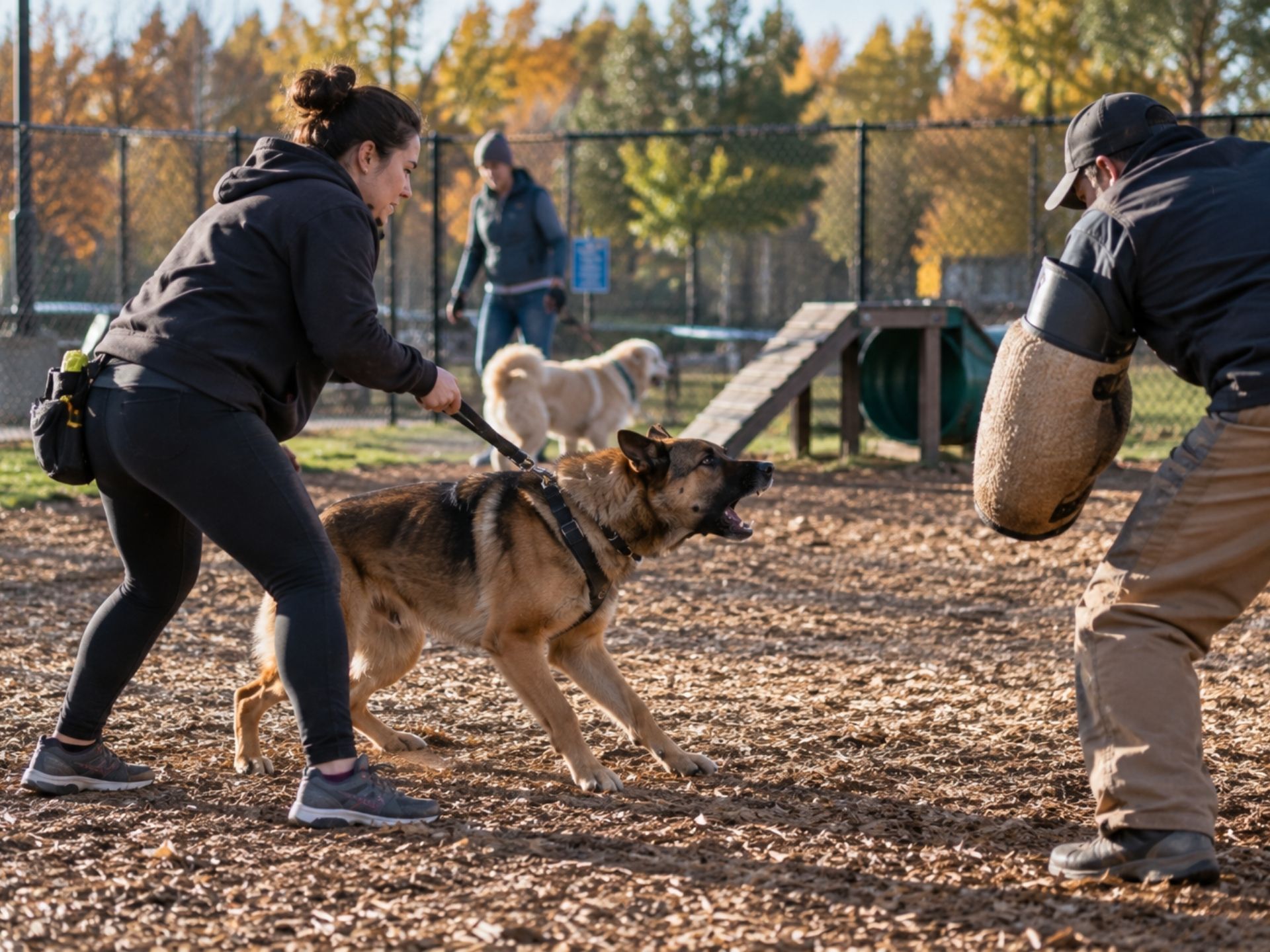
Your general liability policy should cover third-party bodily injury claims, including dog bites. The claim would be filed against your business, and your insurer would handle defense and settlement up to your policy limits. Larger packs with higher bite risk may need higher limits or a separate bite liability endorsement.
If you receive weekly shipments of fish, reptiles, or birds from wholesalers, those animals are at risk during transit. Delayed flights, temperature extremes during shipping, and rough handling kill animals before they ever reach your tanks. Some livestock coverage extends to animals in transit, but many policies only kick in once the animals arrive at your location. Clarify this with your agent before assuming you're covered for a dead-on-arrival shipment worth $3,000.
Every pet business owner has heard the same advice: "Get a waiver signed before you touch that dog." It sounds like solid protection, and in many cases, it is. But the question of whether liability waivers actually protect
pet businesses is more complicated than a simple yes or no. A signed form can absolutely reduce your legal exposure, but it's not a magic shield. Waivers fail in court more often than most business owners realize, and the reasons they fail are predictable and preventable. The pet care industry is booming, with
grooming alone projected to grow significantly through 2026, bringing more clients, more animals, and more risk through your doors every month. That growth means more potential incidents: bites, injuries, allergic reactions, escaped pets. Whether you run a boarding facility, a mobile grooming van, or a dog walking service, understanding where waivers work and where they fall short could save your business from a six-figure lawsuit. Here's what you actually need to know.
The Real-World Purpose of Liability Waivers
A liability waiver is a pre-injury agreement where a client acknowledges the risks involved in your service and agrees not to hold you responsible if something goes wrong. For pet businesses, that might mean a dog getting a nick during grooming, a cat becoming stressed during boarding, or a pet getting into a scuffle at daycare.
The core function of a waiver isn't to eliminate all legal risk. It's to establish that the client understood what could happen and voluntarily accepted that possibility. Think of it as documentation of informed consent. When a dispute arises, a well-drafted waiver gives you evidence that the client was aware of the inherent risks and chose to proceed anyway.
Assumption of Risk vs. Negligence
These two concepts sit at the heart of every waiver dispute. Assumption of risk means the client knew a particular activity carried danger and agreed to participate regardless. If a dog owner signs a waiver acknowledging that group play at daycare involves a risk of minor scratches or bites from other dogs, they've assumed that risk.
Negligence is a different animal entirely. If a staff member leaves a gate open and a dog runs into traffic, no waiver in the world covers that. Negligence means you failed to exercise reasonable care, and courts consistently refuse to let businesses waive liability for their own carelessness. The distinction matters because most pet care incidents fall somewhere in the gray area between inherent risk and preventable mistakes.
Why Signed Contracts Don't Stop Every Lawsuit
Here's a reality check: anyone can file a lawsuit regardless of what they signed. A waiver doesn't prevent litigation. It gives you a defense once litigation happens. That's a critical difference.
Even with a signed waiver, a pet owner whose dog was seriously injured may still sue. Their attorney will look for holes in your waiver language, argue that the specific incident wasn't covered by the agreement, or claim the client didn't truly understand what they were signing. Courts in many states view waivers with skepticism, especially when there's a significant power imbalance between a business and a consumer. Your waiver is one piece of your defense strategy, not the whole thing.
When a Waiver Might Fail in Court
Knowing the scenarios where waivers crumble is just as important as having one. Pet business owners who assume a signed form makes them bulletproof are setting themselves up for an expensive surprise.
Gross Negligence and Willful Misconduct
Courts draw a hard line between ordinary negligence and gross negligence. Ordinary negligence might be a groomer accidentally cutting a dog's ear during a routine trim. Gross negligence looks more like a kennel operator ignoring a dog's obvious signs of heatstroke because they didn't want to adjust the facility's temperature.
Willful misconduct goes even further: it implies intentional disregard for an animal's safety. No waiver can protect against either of these. If a court determines your actions were reckless or intentional, your waiver becomes irrelevant. This is why staff training and facility protocols matter just as much as paperwork. Dog-related injury claims averaged $65,450 per incident, and that figure climbs fast when gross negligence is involved.
The Impact of State-Specific Laws
Waiver enforceability varies dramatically by state. Some states, like California, allow exculpatory clauses in pet care contracts but scrutinize them heavily. Others, like Louisiana and Montana, are far less friendly to pre-injury waivers and may void them entirely for consumer-facing businesses.
A few key variables that change state to state: whether the waiver must include specific statutory language, whether it needs to be a standalone document (not buried in a service agreement), and whether courts apply a "reasonable expectations" test to determine if the client truly understood what they signed. If you operate in multiple states or near a state border, you may need different waiver versions for different jurisdictions. This is one area where a local attorney's input is worth every penny. Laws vary by jurisdiction, and what works in Texas might be thrown out in New York.
Waivers vs. Insurance: Knowing the Difference
A waiver and an insurance policy serve completely different functions, yet many pet business owners treat them as interchangeable. They're not. A waiver is a contractual defense that may prevent or limit a claim. Insurance is a financial backstop that pays when a claim succeeds.
Think of it this way: your waiver is the lock on the door, and your insurance is the alarm system. You want both. A waiver might discourage a lawsuit or give your attorney grounds for dismissal. But if the case goes to trial and you lose, insurance is what keeps you from writing a personal check for $50,000 or more.
Comparison: Waiver Protection vs. Insurance Coverage
| Liability Waiver | Commercial Insurance | |
|---|---|---|
| Purpose | Limits legal liability through client agreement | Pays claims and legal defense costs |
| Stops lawsuits? | No, but provides a legal defense | No, but covers financial damages |
| Covers gross negligence? | No | Depends on policy terms |
| Covers bite incidents? | Only if specifically addressed | Yes, under most general liability policies |
| Cost | Attorney drafting fee (one-time) | Monthly or annual premium |
| Required by law? | No | Sometimes, depending on state and lease terms |
Working with an agency that understands pet-specific risks, like Pet Professional Insurance Agency, helps you identify coverage gaps that a waiver alone can't fill. Their agents specialize in care, custody, and control coverage, which is the exact type of policy language that applies when an animal is injured while in your possession.
Key Elements of an Enforceable Pet Care Waiver
If you're going to use a waiver, make it count. A poorly written form can actually hurt you in court by suggesting you knew about risks but didn't take them seriously enough to address them properly.
Clear Language and Visible Disclaimers
Legalese kills waivers. If your document reads like a law school textbook, a court may rule that a reasonable person couldn't have understood it. Use plain English. The waiver should clearly state what services you're providing, what risks exist, and what the client is agreeing to accept.
Key formatting principles that hold up in court:
- Use a readable font size (no fine print tricks)
- Place the assumption of risk language near the signature line, not buried on page three
- Bold or capitalize the most critical disclaimers so they stand out
- Include a separate initial line next to the risk acknowledgment section
- Keep it as short as possible while covering your specific services
Specific Risks for Groomers, Sitters, and Walkers
Generic waivers are weak waivers. A grooming salon faces different risks than a dog walking service, and your waiver should reflect that. Groomers should address clipper injuries, skin irritation from products, stress-related reactions, and the possibility of discovering pre-existing conditions. Pet sitters need language about escape risks, medication administration, and interactions with other household animals.
Dog walkers face unique exposure around leash failures, encounters with off-leash dogs, and weather-related incidents. Pet Professional Insurance Agency works with each business type individually, using intake forms tailored to specific pet business categories to identify the exact risks your waiver and your insurance policy should address. That level of specificity is what separates a waiver that holds up from one that gets tossed.
Common Questions About Pet Business Liability
Does a waiver protect me if a dog bites someone?
Partially. If the bite victim is a client who signed a waiver acknowledging bite risk, you have a defense. But if the victim is a bystander, delivery driver, or anyone who didn't sign your waiver, you'll need general liability insurance to cover the claim. Pet owners are increasingly aware of the financial risks associated with their animals, but that awareness doesn't automatically shield your business.
Can I write my own waiver or do I need a lawyer?
You can write your own, but you probably shouldn't. Template waivers downloaded from the internet often lack state-specific language and miss risks unique to your service type. An attorney familiar with your state's contract law and the pet industry can draft something that actually holds up. Budget $300 to $800 for a properly drafted waiver: it's a fraction of what a single lawsuit costs.
Will insurance cover me if I don't have a signed waiver?
Yes. Your insurance policy doesn't require a waiver to pay a claim. That said, having a signed waiver strengthens your position and can reduce the likelihood of a payout. Some insurers may even offer more favorable terms to businesses with documented risk management practices, including waivers.
Are digital signatures as valid as paper ones?
In all 50 states, digital signatures carry the same legal weight as handwritten ones under the ESIGN Act and the Uniform Electronic Transactions Act. Just make sure your digital system timestamps the signature, stores a copy the client can access, and records that the client had the opportunity to read the full document before signing.
What happens if a minor signs the waiver?
Minors generally cannot enter into binding contracts. If a 16-year-old brings the family dog to your grooming salon and signs the waiver, that signature is likely unenforceable. Always require a parent or legal guardian's signature. Your intake process should flag this automatically.
The Bottom Line for Pet Professionals
Liability waivers are a real and valuable part of protecting your pet business, but they're not a substitute for proper insurance, staff training, or safe facility practices. A waiver works when it's well-drafted, state-compliant, specific to your services, and signed by someone who actually understood what they were agreeing to. It fails when it's vague, generic, or used as a crutch to avoid addressing genuine safety concerns.
About the author
Barnaby Joyce
Founder, Pet Professional Insurance Agency · Licensed Insurance Producer
I started Pet Professional Insurance Agency because I watched pet businesses get handed generic policies that never fit. After years of placing coverage for veterinary practices, grooming salons, doggy daycares, and kennels through a generalist agency, I saw the same gaps over and over — and the same blank stares when an owner tried to explain care, custody, and control to an agent who had never insured an animal in their life.
So I built an agency that does one thing. I work directly with specialty carriers who actually want pet-industry risk, and I sit down with every client personally. You will not get a call center or a chatbot. You will get someone who already speaks your language and shops the market on your behalf. That is the whole idea.
Recent Posts