Coverage for veterinary practices
Pet sitting is one of the few service industries where the provider routinely has unsupervised access to a client's home for extended periods. Dog walkers might be in and out in 30 minutes, but overnight pet sitters can spend days or weeks in someone's house.
That level of access makes clients nervous, and rightfully so. A bond doesn't eliminate the risk, but it provides a financial safety net that makes the arrangement feel less like a leap of faith. For clients with valuable collections, home offices full of equipment, or simply a strong sense of privacy, knowing their pet sitter is bonded can be the deciding factor. Agencies like Pet Professional Insurance Agency, which specialize in coverage for pet care businesses, often help sitters understand exactly what level of bonding makes sense for their client base and service model.
Start by listing every piece of equipment you own, along with the brand, model, purchase date, and what you paid for it. Take photos or video of each item. Keep receipts, invoices, and warranty documents in a digital folder. This inventory serves two purposes: it helps your agent calculate the right coverage limits, and it becomes your proof of ownership if you ever file a claim. Pet Professional Insurance Agency uses intake forms designed specifically for pet businesses, which means you won't waste time explaining what a forced-air dryer is or why a single pair of shears costs $500. Update this inventory at least once a year, or whenever you make a significant purchase.
Your general liability policy should cover third-party bodily injury claims, including dog bites. The claim would be filed against your business, and your insurer would handle defense and settlement up to your policy limits. Larger packs with higher bite risk may need higher limits or a separate bite liability endorsement.
If you receive weekly shipments of fish, reptiles, or birds from wholesalers, those animals are at risk during transit. Delayed flights, temperature extremes during shipping, and rough handling kill animals before they ever reach your tanks. Some livestock coverage extends to animals in transit, but many policies only kick in once the animals arrive at your location. Clarify this with your agent before assuming you're covered for a dead-on-arrival shipment worth $3,000.
A 70-pound Labrador shakes off after a bath, sending water across a
grooming salon floor. Thirty seconds later, a client walking in to pick up their dog steps on the wet tile and goes down hard. That scenario plays out more often than most pet business owners expect, and the financial fallout can be staggering. Slips, trips, and falls are the
most frequently occurring workplace injuries in veterinary hospitals and rank as the top reason for
workers' compensation claims in the industry. But it's not just vet clinics: boarding facilities, grooming salons,
doggy daycares, and training centers all share similar exposure. The combination of water, animal hair, cleaning chemicals, excited animals, and distracted humans creates a perfect recipe for accidents. If you own or manage any type of pet-care business, understanding the
slip-and-fall risks inside your facility isn't optional: it's the difference between staying open and
facing a lawsuit that drains your accounts. This piece breaks down where these hazards hide, what they actually cost, and the practical steps that reduce your exposure.
Identifying Common Slip-and-Fall Hazards in Pet Care Settings
Pet facilities are uniquely challenging environments. Unlike a typical retail store or office, you're dealing with living creatures that shed, drool, urinate, and move unpredictably. Every surface, every walkway, and every interaction point between humans and animals carries some level of risk.
The hazards tend to cluster into two broad categories: problems created by the physical environment and problems created by animal behavior. Both can result in serious injuries to staff, clients, and visitors. Recognizing them is the first step toward controlling them, and most facility owners underestimate just how many exist in their own space.
Surface Hazards: Wet Floors and Loose Debris
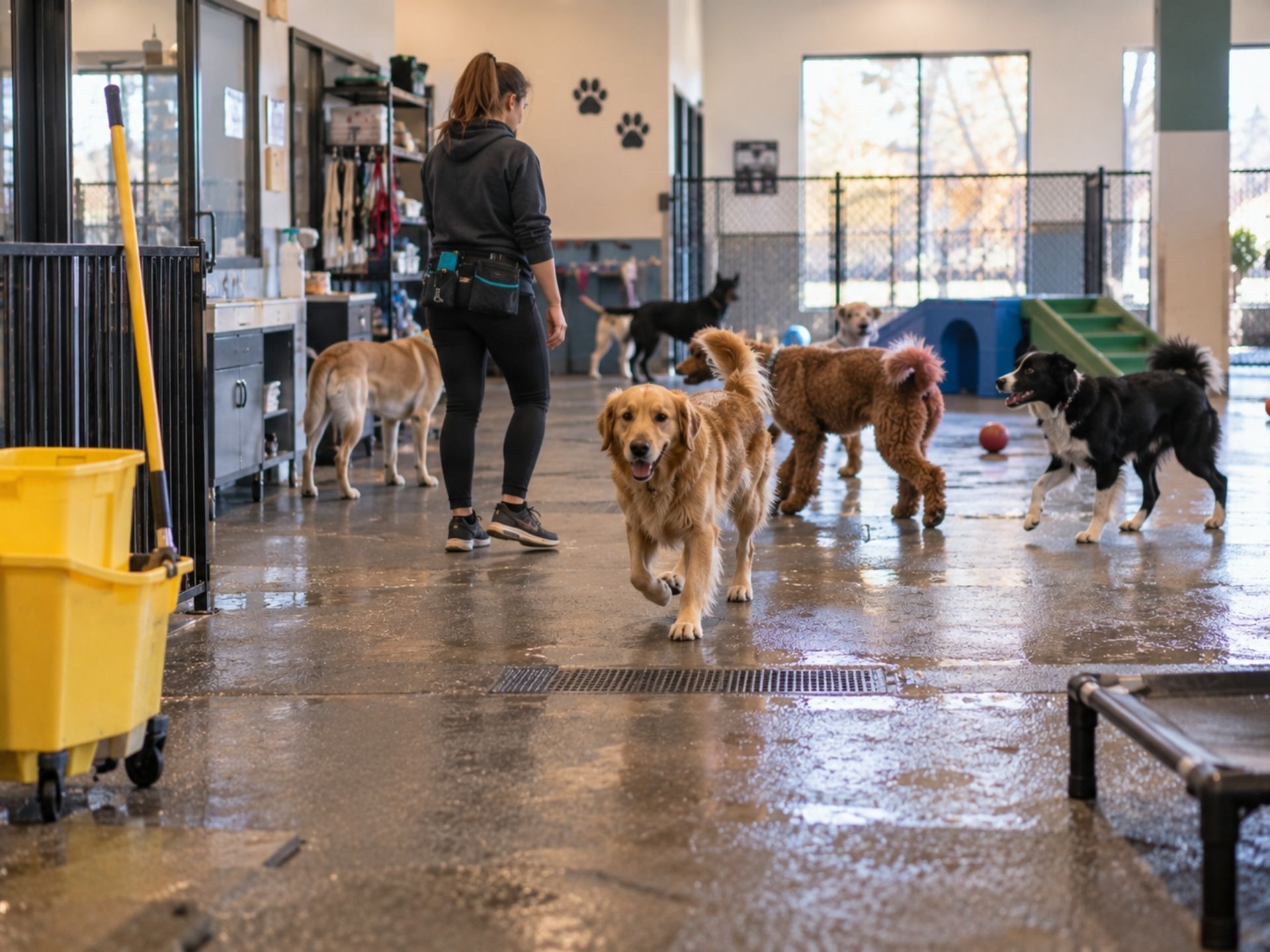
Water is everywhere in pet facilities. Bathing stations, water bowls, cleaning routines, and even a dog shaking off after a walk in the rain all leave moisture on floors. Grooming salons deal with standing water around tubs. Boarding facilities have drainage issues in kennel runs. Daycares with outdoor play areas track mud and water inside constantly.
Hair and fur compound the problem. A thin layer of pet hair on a hard floor acts almost like ball bearings underfoot. Combine that with water, and you've got a surface slicker than ice. Loose items like toys, food bowls, and cleaning supplies left in walkways create trip hazards that are easy to overlook during a busy day.
Cleaning chemicals present their own dangers. Bleach solutions and enzymatic cleaners used to sanitize kennels and floors often leave slippery residues. If staff don't allow adequate drying time, or if they clean during peak hours when clients are walking through, the risk multiplies. One practical guide on avoiding slips, trips, and falls in veterinary settings highlights that improper cleaning schedules are among the most common contributing factors.
Animal-Induced Incidents: Leash Tangles and Lunging
Animals don't follow safety protocols. A dog lunging toward another dog in a lobby can yank an owner off their feet. Leashes stretched across walkways are invisible trip wires. Cats escaping carriers in waiting rooms cause people to stumble as they react.
In boarding and daycare settings, staff members regularly handle multiple dogs at once. A sudden lunge or an unexpected tangle between two leashes can send an employee to the ground. These incidents happen fast, and they happen to experienced handlers, not just newcomers.
Even well-trained animals can be unpredictable in unfamiliar or stimulating environments. A dog that's perfectly calm at home might bolt when it hears another animal in distress. That unpredictability is baked into the business, and your risk management strategy needs to account for it.
The Financial Impact of Liability Claims
A single slip-and-fall incident can cost a pet business tens of thousands of dollars, and severe cases push well into six figures. The financial exposure extends far beyond the initial medical bills.
Medical Expenses and Legal Defense Costs
Broken wrists, hip fractures, concussions, and torn ligaments are common outcomes of falls on hard surfaces. For an older client or an employee with pre-existing conditions, the injuries can be life-altering. Medical costs for a moderate slip-and-fall injury typically range from $10,000 to $50,000, and settlement amounts in fall-related claims can reach well beyond that depending on the severity and jurisdiction.
Legal defense costs add up quickly even if you're not found liable. Attorney fees, expert witness costs, depositions, and court filings can easily run $15,000 to $30,000 before a case ever reaches trial. Many small pet businesses don't have that kind of cash sitting in reserve.
The indirect costs are easy to miss too. Lost productivity while you deal with the claim, increased insurance premiums at renewal, potential damage to your reputation on review sites: these all erode your bottom line long after the incident itself.
Comparing Coverage: General Liability vs. Professional Liability
Not all insurance policies respond to fall-related claims the same way. Understanding the distinction between general liability (GL) and professional liability (PL) coverage matters when you're choosing protection for your facility.
| Feature | General Liability | Professional Liability |
|---|---|---|
| Covers | Bodily injury, property damage on premises | Errors in professional services |
| Slip-and-fall example | Client slips on wet floor in lobby | Dog injured due to improper handling technique |
| Typical trigger | Physical hazard on your property | Negligent act in service delivery |
| Who it protects | Third parties (clients, visitors) | Business against malpractice claims |
| Common in | All pet businesses | Vets, groomers, trainers |
General liability is the policy that responds to most slip-and-fall claims from clients and visitors. Professional liability covers mistakes in the services you provide. You likely need both, but for fall-related hazards specifically, GL is your primary line of defense.
A specialty agency like Pet Professional Insurance Agency can help you identify which coverages apply to your specific operation. Because fall risks in pet facilities differ from those in a standard retail store, working with someone who understands care, custody, and control exposures makes a real difference in how well your policy actually protects you.
Comparing Protective Measures for Business Owners
Not all risk-reduction strategies carry the same weight. Some are inexpensive and immediate; others require investment but deliver long-term protection. Here's how common measures stack up:
- Non-slip flooring: High upfront cost, but dramatically reduces incidents. Textured epoxy, rubber matting, and sealed concrete with grit additives are popular choices for kennels and grooming areas.
- Signage and barriers: Low cost, easy to implement. Wet floor signs and temporary barriers during cleaning are basic but effective. They also demonstrate due diligence if a claim does arise.
- Drainage improvements: Moderate cost. Proper floor drains in bathing and kennel areas keep water from pooling. Facilities built without adequate drainage often retrofit with trench drains.
- Footwear policies: Nearly free. Requiring staff to wear slip-resistant shoes reduces employee falls significantly. Some businesses provide a shoe stipend as part of onboarding.
- Insurance review: No cost beyond your time. Having your coverage reviewed annually by an agent with deep knowledge of pet-business risks ensures your policy keeps pace with your operations.
The most protected businesses layer these measures together. No single solution eliminates risk entirely, but combining physical improvements with proper coverage creates a strong safety net.
Best Practices for Risk Mitigation and Prevention
Preventing falls in pet facilities requires both infrastructure changes and human behavior changes. One without the other leaves gaps. The facilities with the fewest incidents tend to be obsessive about both.
Implementing Non-Slip Flooring and Drainage Solutions
Flooring is the single biggest factor in fall prevention. Standard ceramic tile, polished concrete, and laminate become dangerously slick when wet. If your facility was built with these surfaces, retrofitting with slip-resistant alternatives should be near the top of your capital improvement list.
Textured epoxy coatings work well in grooming areas and kennel runs. They're durable, easy to clean, and maintain traction even when wet. Rubber interlocking mats are another option for high-traffic zones, though they require regular cleaning underneath to prevent bacterial growth.
Drainage matters just as much as the floor surface itself. Water that can't drain pools on the floor, and pooled water is where most falls happen. Trench drains along kennel runs, properly sloped floors toward drain points, and squeegee protocols between baths all keep surfaces drier. If you're building or renovating, consult with a contractor who has experience in animal-care facility design: the slope and drainage requirements differ from standard commercial construction.
Staff Training Protocols for Safe Animal Handling
Your team is your first line of defense. Training should cover both environmental awareness and animal handling techniques that reduce fall risk.
Teach staff to clean spills immediately, not after the current task is done. Establish a "see it, fix it" culture where anyone who notices a hazard addresses it on the spot. Post cleaning schedules that avoid peak client traffic times when possible.
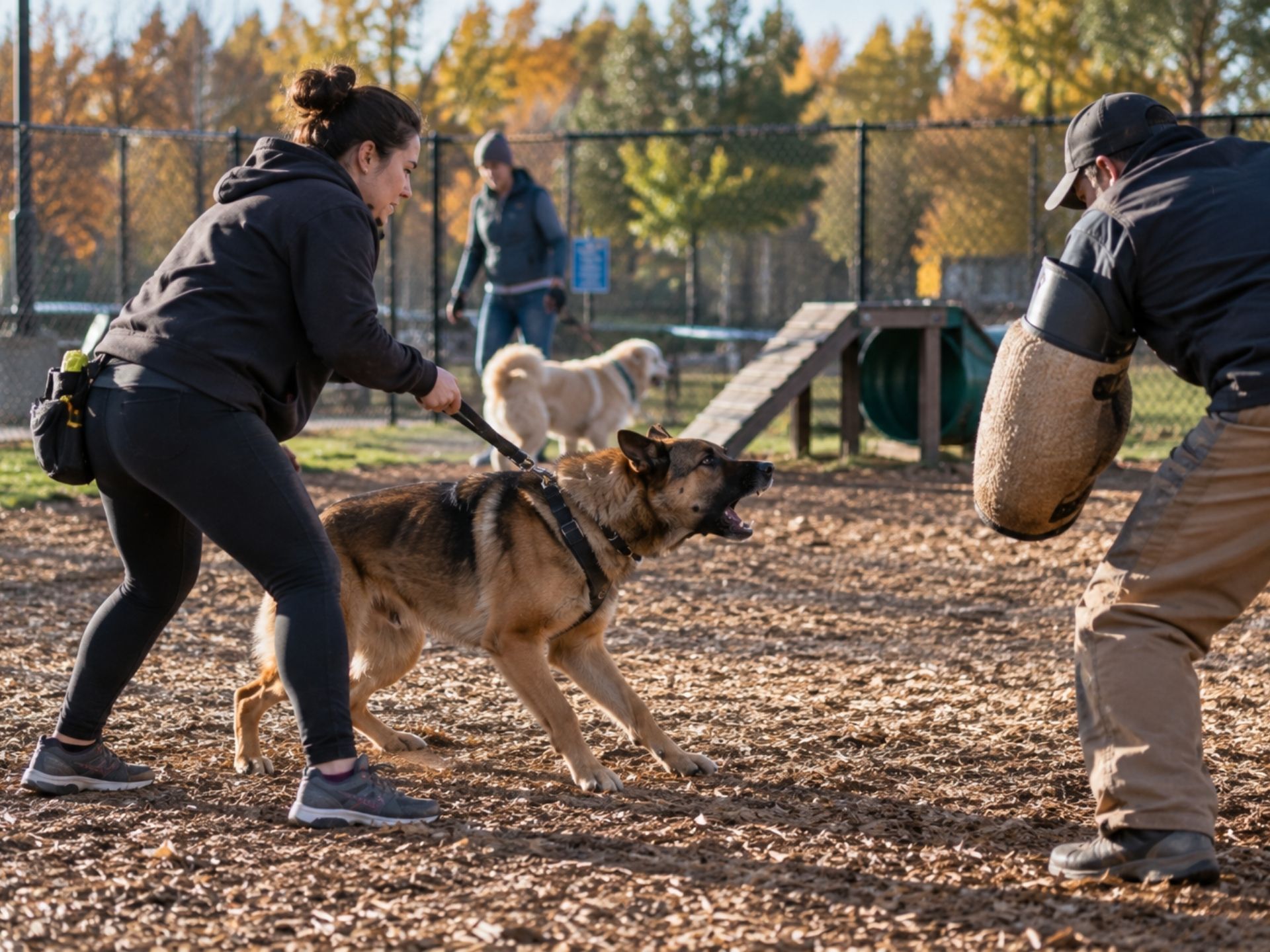
For animal handling, train employees on proper leash techniques that keep dogs close and controlled in tight spaces. Handlers should never walk multiple large dogs without adequate experience. Role-play scenarios where a dog lunges unexpectedly so staff practice maintaining their balance and controlling the animal simultaneously.
New hires should shadow experienced staff for a minimum of one week before handling animals independently. Document all training, because if a claim does occur, your training records become evidence that you took reasonable precautions. Pet Professional Insurance Agency often reminds clients that documented safety programs can influence both claim outcomes and premium pricing at renewal.
Common Questions About Pet Facility Safety
Do I need special insurance for slip-and-fall incidents, or does my general liability cover it? General liability typically covers third-party bodily injury claims, including falls on your premises. However, your policy limits, exclusions, and deductible all affect how much protection you actually have. Review your policy with an agent who specializes in pet-care businesses to confirm.
Who is liable if a client's dog pulls them down in my facility? Liability depends on the circumstances and jurisdiction. If the fall happened because of a hazard you could have prevented (wet floor, obstructed walkway), you may share liability. Laws vary by state, so consult a local attorney for specific situations.
How often should I inspect my facility for fall hazards? Daily walkthroughs before opening are a minimum. High-risk areas like grooming stations and kennel runs should be checked multiple times per day. Keep a written log of inspections.
Are employee falls covered differently than client falls? Yes. Employee injuries typically fall under workers' compensation, while client injuries are covered by general liability. Both coverages are essential for any pet-care operation.
Can proper flooring really make that big a difference? Absolutely. Facilities that switch from standard tile to textured, slip-resistant surfaces often see a dramatic drop in incidents. It's one of the highest-return safety investments you can make.
What documentation should I keep after an incident? Photograph the scene, collect witness statements, note the time and conditions, and file an incident report immediately. This documentation protects you whether or not a formal claim follows.
The Bottom Line for Your Pet Business
Falls in pet facilities aren't freak accidents: they're predictable events driven by conditions inherent to the business. Water, fur, excited animals, and distracted people create hazards every single day. The good news is that most of these hazards respond to straightforward fixes: better flooring, smarter cleaning routines, solid staff training, and proper insurance coverage.
Don't wait for an incident to audit your facility. Walk your space with fresh eyes, identify where water collects, where leashes cross foot traffic, and where clients are most likely to lose their footing. Then address those spots systematically.
If you haven't reviewed your insurance in the past year, reach out to Pet Professional Insurance Agency for a coverage check. With intake forms built specifically for each type of pet business and access to multiple specialty markets, they can identify gaps you might not know exist: and most clients hear back within 24 to 48 hours. Your facility's safety and your financial protection are two sides of the same coin. Invest in both.
About the author
Barnaby Joyce
Founder, Pet Professional Insurance Agency · Licensed Insurance Producer
I started Pet Professional Insurance Agency because I watched pet businesses get handed generic policies that never fit. After years of placing coverage for veterinary practices, grooming salons, doggy daycares, and kennels through a generalist agency, I saw the same gaps over and over — and the same blank stares when an owner tried to explain care, custody, and control to an agent who had never insured an animal in their life.
So I built an agency that does one thing. I work directly with specialty carriers who actually want pet-industry risk, and I sit down with every client personally. You will not get a call center or a chatbot. You will get someone who already speaks your language and shops the market on your behalf. That is the whole idea.
Recent Posts