Coverage for veterinary practices
Start by listing every piece of equipment you own, along with the brand, model, purchase date, and what you paid for it. Take photos or video of each item. Keep receipts, invoices, and warranty documents in a digital folder. This inventory serves two purposes: it helps your agent calculate the right coverage limits, and it becomes your proof of ownership if you ever file a claim. Pet Professional Insurance Agency uses intake forms designed specifically for pet businesses, which means you won't waste time explaining what a forced-air dryer is or why a single pair of shears costs $500. Update this inventory at least once a year, or whenever you make a significant purchase.
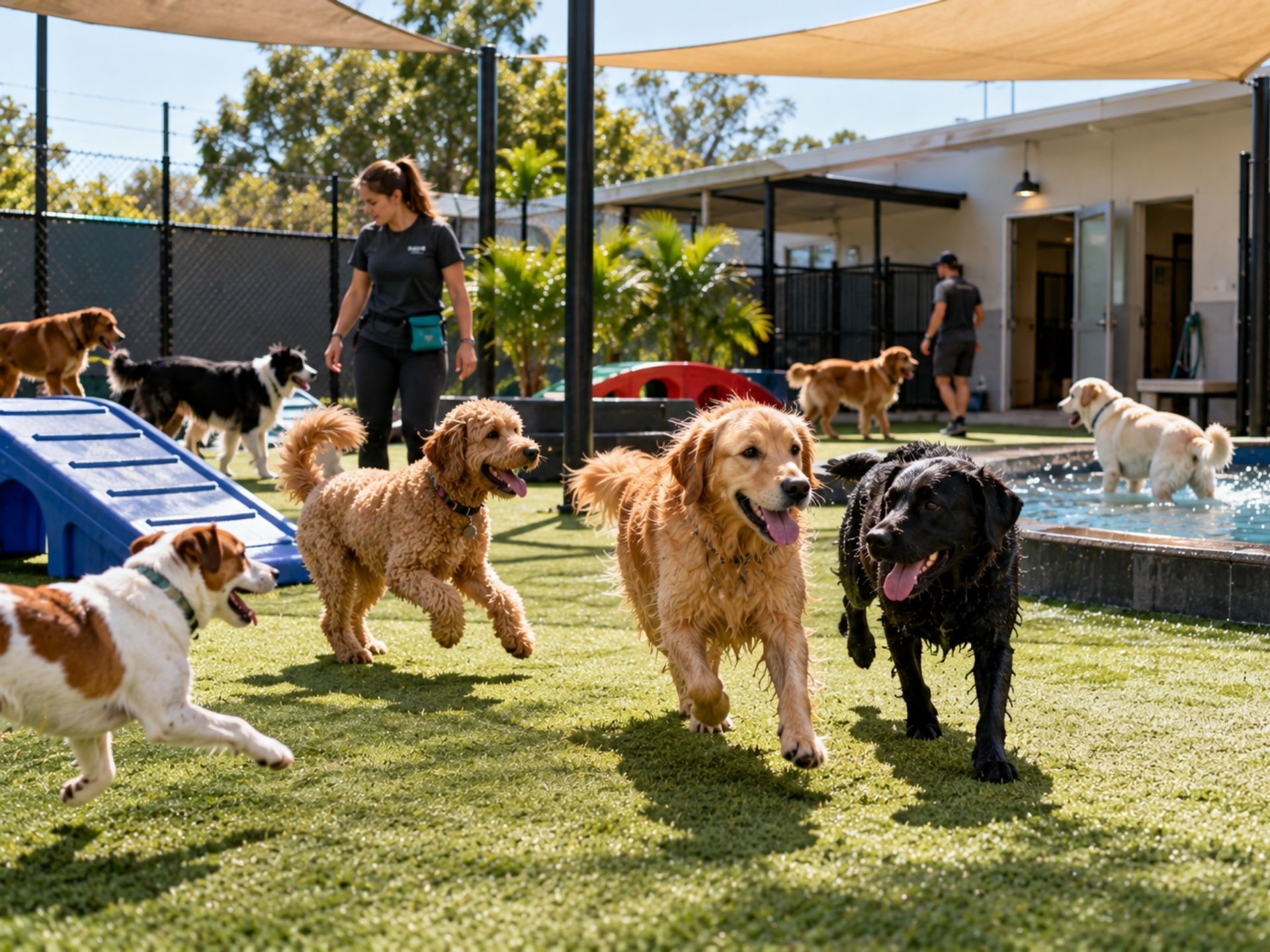
Pet retailers sitting on 2,000 or 3,000 square feet of floor space often watch customers walk in, grab a bag of kibble, and leave within five minutes. That's a brutal model when online competitors can ship the same bag to a doorstep for less. But here's what Amazon and Chewy can't replicate: a live groomer bathing a golden retriever or a supervised play area where a border collie burns off energy while its owner shops. Adding grooming or daycare services inside a pet store transforms a transactional visit into a sticky, recurring relationship. The U.S. pet industry reached $158 billion in spending in 2025, and services are one of the fastest-growing segments driving that number. Pet parents increasingly expect one-stop convenience, and retailers who deliver it capture more wallet share per visit. That said, bolting a grooming station or daycare pen onto an existing retail operation introduces real complexity: new insurance exposures, staffing requirements, facility upgrades, and liability questions that a standard retail policy was never designed to handle. This piece breaks down what it actually takes to add pet services under your retail roof, from square footage math to the insurance gaps that catch store owners off guard.
The Strategic Value of Integrated Pet Services
A pet store that only sells products competes on price and selection, two areas where e-commerce dominates. A pet store that also grooms dogs or runs a supervised play group competes on experience, trust, and convenience, three areas where a physical location has a genuine edge. Petco recognized this years ago and has been pulling back from pure retail to double down on services that online giants simply can't match. The logic is straightforward: a customer who drops off a dog for a bath at 9 a.m. and picks up at noon is almost certainly buying something else while they're in the store.
The pet daycare market alone is projected to reach $11.01 billion by 2035, reflecting how deeply pet parents have integrated professional care into their routines. For independent pet retailers, this trend represents an opportunity to capture recurring revenue that doesn't depend on competing with warehouse pricing.
Boosting Customer Retention Through Convenience
Recurring grooming appointments create a built-in visit schedule. Most dogs need grooming every four to eight weeks, which means a customer who books with your in-store groomer is walking through your door at least six times a year, not counting product purchases. Daycare creates even more frequency: some clients drop off daily.
This rhythm builds familiarity and loyalty in a way that product sales alone rarely achieve. The pet parent gets to know your staff, trusts your recommendations, and starts buying premium food, supplements, and toys based on those relationships. One independent retailer I've seen added a two-station grooming area and saw average customer spend increase by roughly 40% within the first year, simply because people browsed while waiting.
Maximizing Revenue Per Square Foot
Retail margins on pet food hover around 10-15%, sometimes less on popular brands. Grooming services, by contrast, can generate margins of 40-60% depending on your pricing and labor costs. Daycare sits in a similar range once you hit consistent occupancy. Converting even 200 square feet of underperforming shelf space into a grooming station can dramatically change your revenue-per-square-foot calculation.
The key metric to watch is service utilization rate. A grooming station that sits empty half the day is an expensive sink. But a station booked at 70% or higher capacity becomes one of the most profitable corners of your entire store. Facilities are also adding creative upsells like enrichment activities, training sessions, and spa packages to push per-visit revenue even higher.
Operational Requirements for In-Store Add-Ons
Enthusiasm about new revenue is great, but the operational lift is real. Adding grooming or daycare inside a pet store isn't just about clearing some floor space and hanging a sign. You're dealing with plumbing, ventilation, noise control, zoning compliance, and animal safety protocols that didn't exist in your original retail buildout.
Space Planning and Facility Layout
Grooming stations need hot and cold water supply, proper drainage, non-slip flooring, and adequate ventilation to manage humidity and airborne hair. A single grooming station typically requires 80-120 square feet including the tub, drying area, and table. Two stations with a small waiting area can fit into 300-400 square feet.
Daycare demands more room. Industry standards suggest roughly 75-100 square feet of indoor play space per dog. If you're planning to accept 10 dogs at a time, you need 750-1,000 square feet of dedicated play area, plus separate zones for small dogs, time-out areas, and a secure entry/exit that prevents escapes. Noise is a real concern in a retail environment: barking dogs and browsing customers don't always mix well. Sound-dampening barriers or strategic placement away from the sales floor can help.
Staffing and Specialized Training Needs
A groomer needs professional training, and in some states, certification or licensing. You can't simply reassign a cashier to the grooming table. Most professional groomers complete 200-600 hours of hands-on training before working independently. Hiring experienced groomers is competitive right now: the demand for skilled pet groomers continues to outpace supply as the services sector grows.
Daycare attendants need training in canine body language, group dynamics, and emergency response. A common staffing ratio is one attendant per 10-15 dogs, though this varies by facility and local regulations. Staff should also be trained in basic pet first aid and CPR. Your existing retail employees may be able to cross-train for daycare supervision, but don't underestimate the learning curve.
Risk Management and Insurance Considerations
Here's where most pet store owners get tripped up. Your existing retail insurance policy was designed to cover slip-and-fall incidents, product liability, and property damage. The moment you start handling live animals for grooming or daycare, you've introduced a completely different risk profile.
General Liability vs Professional Liability
General liability covers third-party bodily injury and property damage: a customer slips on a wet floor near the grooming area, for example. But it typically won't cover claims arising from the professional services you're now providing. If a groomer nicks a dog's skin or causes a clipper burn, that's a professional liability claim.
Professional liability (sometimes called errors and omissions) covers mistakes, negligence, or failure to perform services properly. For groomers, this includes injuries during the grooming process, allergic reactions to products used, or even claims that a haircut was done incorrectly and caused the pet distress. Without this coverage, you're personally exposed to claims that could easily reach $5,000-$25,000 or more per incident.
Animal Bailee and Care, Custody, or Control Coverage
Standard general liability policies contain a "care, custody, or control" exclusion. This means if you're holding someone else's animal and it gets injured, sick, or dies while in your care, your GL policy likely won't pay. That's a massive gap for any store offering grooming or daycare.
Animal bailee coverage fills this hole. It protects you when animals in your temporary custody are injured, become ill, or escape. Pet Professional Insurance Agency specializes in exactly these kinds of exposures and works with multiple specialty insurance markets that understand the nuances of pet-care operations. Their intake forms are specifically tailored to pet businesses, so you're not trying to explain your grooming setup to an agent who primarily insures restaurants. Most clients hear back within 24-48 hours, which matters when you're trying to get a new service line up and running.
Service Comparison: Grooming vs. Daycare Add-Ons
Both services can transform a retail pet store, but they carry different operational demands and risk profiles. The right choice depends on your space, budget, and local market.
Comparison Chart: Liability and Resource Requirements
| Factor | Grooming Add-On | Daycare Add-On |
|---|---|---|
| Minimum Space Needed | 150-400 sq ft | 750-1,500 sq ft |
| Startup Cost Range | $5,000-$25,000 | $15,000-$75,000 |
| Staff Certification | Professional grooming training required | Canine behavior training recommended |
| Primary Insurance Need | Professional liability + animal bailee | Animal bailee + GL with care/custody endorsement |
| Typical Margin | 40-60% | 35-55% |
| Noise Impact on Retail | Moderate (dryers) | High (barking) |
| Recurring Visit Frequency | Every 4-8 weeks | Daily to weekly |
| Zoning Complexity | Low to moderate | Moderate to high |
Grooming is generally easier to launch with less capital and space. Daycare generates more frequent visits but requires significantly more square footage and carries higher liability exposure due to dog-on-dog interactions. Many retailers start with grooming and add daycare once they've built a customer base and understand the operational rhythms. The pet boarding and daycare industry continues to evolve with new safety standards, so staying current matters regardless of which path you choose.
Common Questions About Adding Pet Services
Do I need separate insurance for a grooming station?
Yes, in almost every case. A standard retail policy won't cover professional grooming liability. You'll need professional liability coverage and animal bailee insurance at minimum. An agent with pet-industry expertise, like those at Pet Professional Insurance Agency, can bundle these with your existing retail policy through specialty markets designed for exactly this situation.
What happens if a dog gets hurt in my daycare area?
You're likely liable for veterinary costs and potentially additional damages. If your policy has a care, custody, or control exclusion (most standard GL policies do), you'll be paying out of pocket. Animal bailee coverage is designed to handle these claims.
Are independent contractors covered by my policy?
Usually not. If you bring in a contract groomer, they should carry their own professional liability insurance. Get certificates of insurance before they start, and make sure your policy doesn't assume they're covered under your umbrella. This is one of the most common coverage gaps we see.
Does basic retail insurance cover animal escapes?
Rarely. If a dog escapes your facility and causes an accident or bites someone, your standard retail GL might respond to the third-party injury claim, but damage to or loss of the escaped animal itself typically falls under animal bailee coverage. Local and state laws vary on liability for escaped animals, so consult a qualified attorney in your jurisdiction for specifics.
What This Means for Your Business
Adding grooming or daycare to a pet retail operation is one of the strongest moves an independent store can make against online competition. Services build loyalty, increase visit frequency, and generate margins that product sales alone can't match. But the operational and insurance complexity is real, and cutting corners on either front puts your business at serious risk.
Start by honestly assessing your space, your local market demand, and your willingness to manage live-animal care. Talk to an insurance professional who actually understands pet businesses before you sign a lease addendum or hire a groomer. The coverage gaps between a retail policy and what you actually need for in-store pet services are significant, and they're exactly the kind of thing that only shows up when a claim hits.
About the author
Barnaby Joyce
Founder, Pet Professional Insurance Agency · Licensed Insurance Producer
I started Pet Professional Insurance Agency because I watched pet businesses get handed generic policies that never fit. After years of placing coverage for veterinary practices, grooming salons, doggy daycares, and kennels through a generalist agency, I saw the same gaps over and over — and the same blank stares when an owner tried to explain care, custody, and control to an agent who had never insured an animal in their life.
So I built an agency that does one thing. I work directly with specialty carriers who actually want pet-industry risk, and I sit down with every client personally. You will not get a call center or a chatbot. You will get someone who already speaks your language and shops the market on your behalf. That is the whole idea.
Recent Posts