Coverage for veterinary practices
Dog Daycare Franchise Insurance
Core Protections Against Bodily Injury and Property Damage
Picture this: you've signed the franchise agreement, picked a building near a busy commuter route, and ordered the rubber flooring. Then the franchisor's compliance team emails a twelve-page insurance exhibit and says you can't open until every line item is satisfied. That moment catches a surprising number of new owners off guard, and it can push an opening date back by weeks.
Insurance for a dog daycare franchise isn't something you shop for once you're ready to open. It's a set of contractual obligations baked into your Franchise Disclosure Document (FDD) and franchise agreement, and the franchisor will verify them before you take in your first Lab or doodle. Miss a required endorsement or carry a limit that's too low, and your grand opening waits.
This guide breaks down what franchisors typically demand, why they demand it, and where owners most often trip up. Every franchise system writes its own requirements, so treat this as a map to check against your specific agreement. It is not a substitute for reading it line by line with your attorney.
Why Franchisors Set Strict Insurance Standards
A franchisor's brand is its most valuable asset, and one bad incident at a single location can show up in local news under the national brand name. When a dog dies from heatstroke in a play yard or a staff member gets a serious bite to the hand, plaintiffs' attorneys rarely stop at the local owner. They name the franchisor too, arguing it controlled training, procedures, or facility design.
Insurance requirements are the franchisor's first line of defense against that exposure. By mandating specific coverages, minimum limits, and additional insured status, the franchisor makes sure your policy responds before its own does. That's also why the requirements tend to be higher than what a standalone daycare owner would buy on their own.
There's a lender angle too. SBA lenders and landlords often have their own insurance conditions, and franchisors want every location to meet a consistent floor so nobody operates underinsured. Consistency protects the whole system, including you, since a large uninsured claim at one location can drag down brand value for every owner.
Core Insurance Policies Required by Most Dog Daycare Franchises
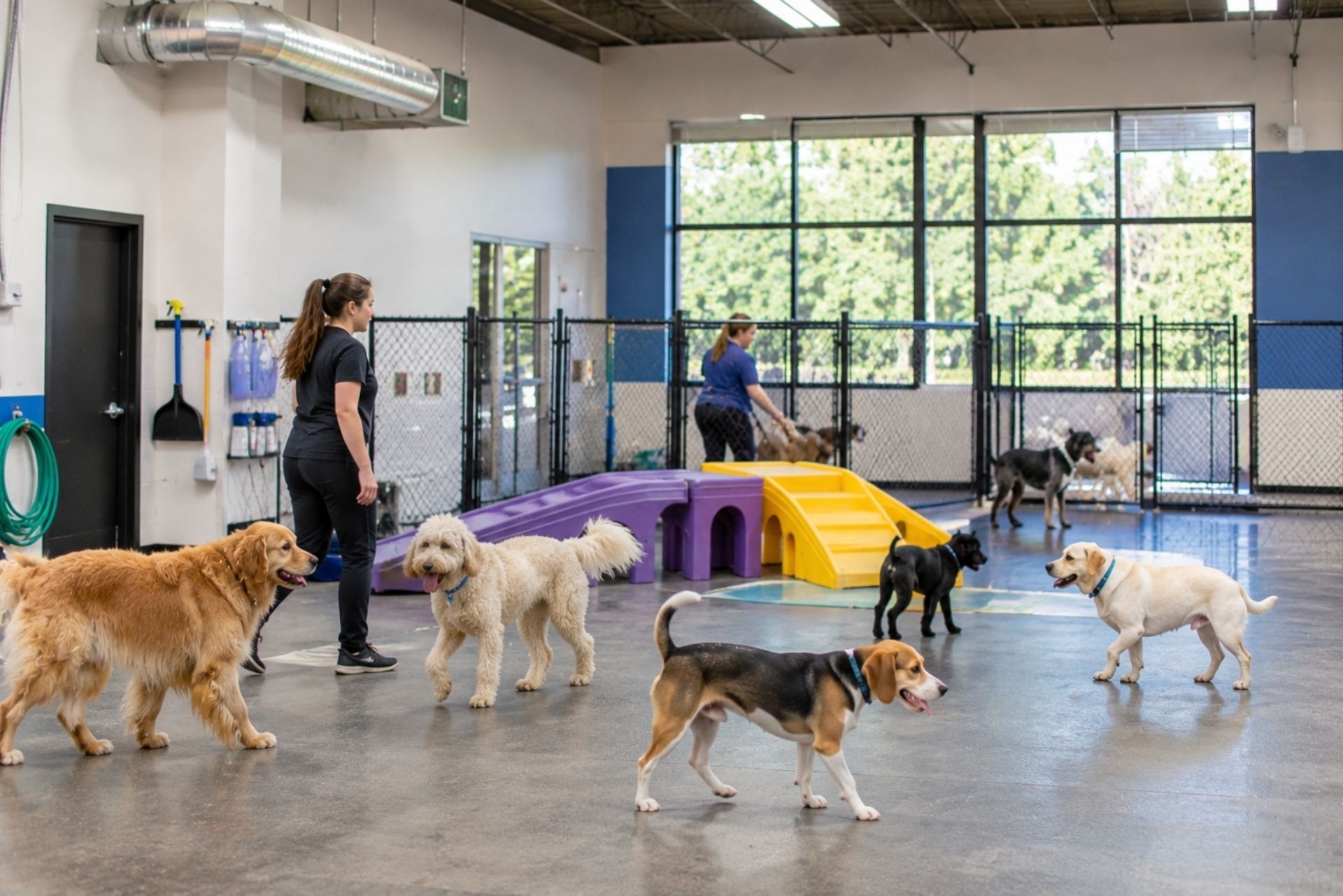
Most franchise agreements in the pet-care space ask for roughly the same building blocks, even when the limits differ. Expect your exhibit to list several of these policies with specific dollar minimums. If your agreement is silent on one, don't assume you can skip it: your landlord or state law may still require it.
General Liability and Animal Bailee Coverage
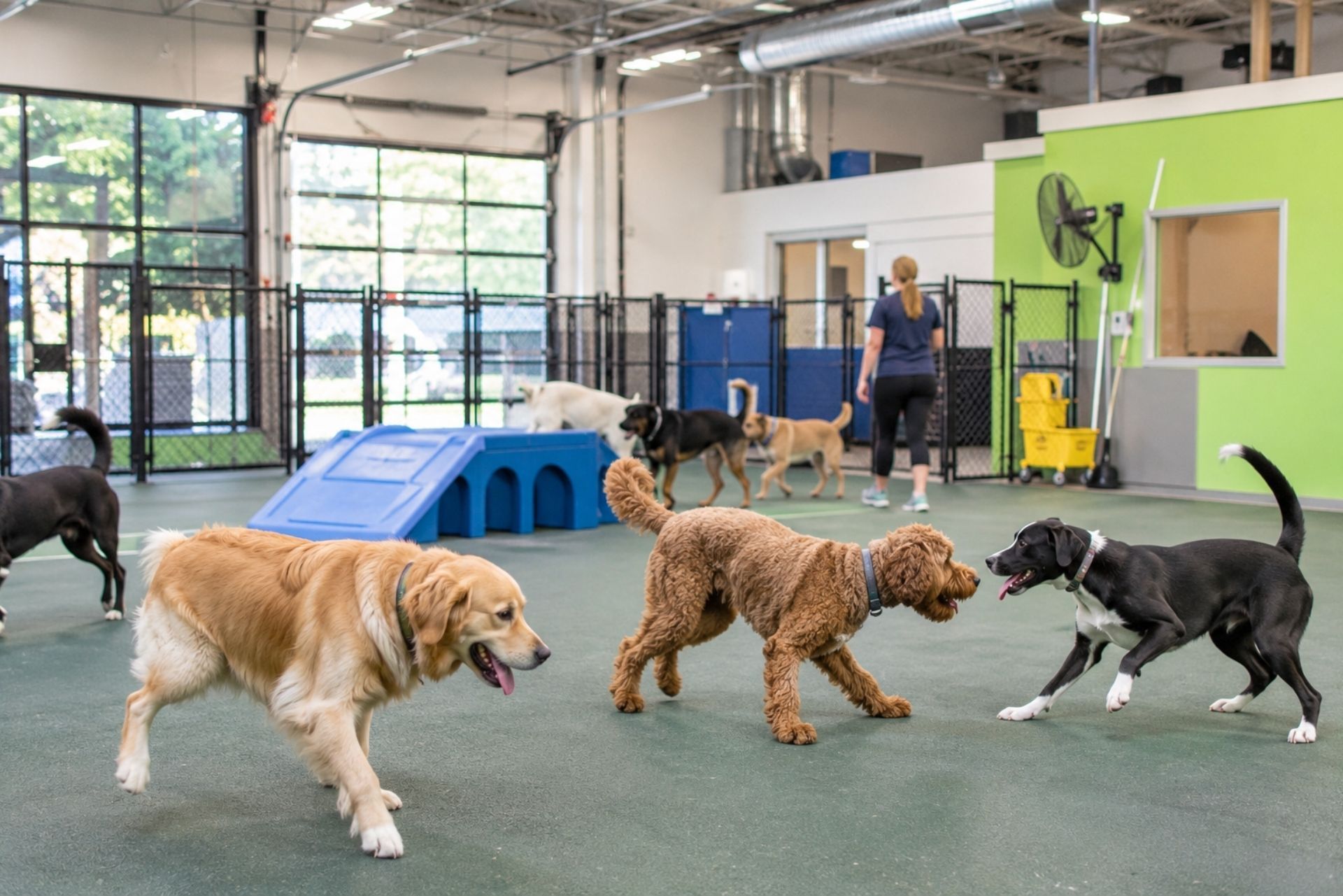
General liability handles third-party bodily injury and property damage, like a customer tripping over a leash in your lobby or a dog knocking over a client's toddler at pickup. Here's the gap that surprises people: general liability typically doesn't cover injuries or illness to the animals in your care. For a daycare, the dogs are the main exposure.
That's where animal bailee coverage comes in, sometimes called care, custody, and control coverage. It pays when a dog in your custody is injured, gets sick, escapes, or dies. Most dog daycare franchisors explicitly require it, and many set a per-animal sublimit along with an aggregate limit. Check that sublimit carefully. A policy with a low per-animal cap can leave you writing checks for emergency surgery on a single dog that tore a cruciate ligament during play.
Workers' Compensation and Professional Liability
Bites, scratches, back strains from lifting a 90-pound dog, and slips on wet floors make daycare work physically risky. Workers' compensation is required by law in nearly every state once you have employees, though thresholds vary. Franchisors usually also require employer's liability limits within the same policy.
Professional liability addresses claims that your services or advice caused harm, such as a dog-to-dog behavioral assessment that put an aggressive dog into group play. Some franchisors fold this into a pet-services package. Others list it separately, so look for both terms in your exhibit.
Comparison of Standard vs. Franchise-Mandated Coverage
Independent owners often build a policy around budget and gut feel. Franchise owners build around a contract. The table below shows the typical difference in posture, though your FDD sets the actual numbers.
| Coverage Area | Typical Independent Setup | Typical Franchise Requirement |
|---|---|---|
| General liability | Owner chooses limits | Set minimums, often with per-occurrence and aggregate floors |
| Animal bailee | Sometimes skipped | Usually mandatory, with defined sublimits |
| Workers' comp | State minimum | State minimum plus employer's liability limits |
| Umbrella/excess | Optional | Frequently required |
| Additional insured | Landlord only | Franchisor, affiliates, and landlord |
| Waiver of subrogation | Rarely added | Commonly required |
| Notice of cancellation | Standard | Advance notice to franchisor required |
| Carrier rating | Not considered | Minimum financial strength rating specified |
The bottom two rows trip people up most. Some franchisors require placement only with insurers holding a minimum financial strength rating, which can rule out certain lower-cost options. Others want written notice before any policy cancels, and not every policy form provides that automatically.
The Role of Additional Insured Status and Certificates
Additional insured (AI) status extends your liability coverage to the franchisor, so if both of you get sued over an incident at your location, your policy defends them too. Almost every franchise agreement requires it. The details matter more than most owners realize.
Franchisors usually want AI status on a primary and noncontributory basis. That wording means your policy pays first, and the franchisor's own insurance doesn't have to chip in. A standard AI endorsement without that language may not satisfy the agreement, and the compliance team will reject your certificate.
The certificate of insurance (COI) is how you prove all this. One thing to keep in mind: a COI is only a summary. Franchisors increasingly ask for copies of the actual endorsements, not just the certificate. Plan for two or three rounds of back-and-forth if your agent isn't used to franchise paperwork, and start the process at least 30 days before your target opening.
A common mistake is listing only the parent franchisor company. Many agreements also require subsidiaries, affiliates, officers, and sometimes a separate real estate entity. Copy the exact legal names from your agreement.
Specialty Add-ons: Grooming, Training, and Boarding Risks
Most daycare franchises now push add-on revenue: baths, nail trims, puppy classes, and overnight boarding. Each one changes your risk profile, and your base policy may not stretch to cover it.
Grooming brings clipper cuts, razor burn, and dryer-related injuries. Some daycare policies exclude grooming entirely unless it's specifically scheduled. If your franchise model includes a "bath before pickup" service, confirm your bailee and professional coverage name grooming activities.
Training adds behavioral exposure. A group class where one dog injures another, or a client whose dog bites a neighbor after "completing" your program, can generate claims that hinge on professional liability language. Boarding stretches your custody period from a few hours to several days. That raises the odds of illness claims, such as kennel cough outbreaks or bloat, and overnight staffing questions.
Before adding any service, run through these checks:
- Confirm the service is named on your policy declarations or class codes
- Check sublimits for animal injuries tied to that service
- Review exclusions for medication administration or sedation
- Update payroll and revenue figures so your premium audit doesn't surprise you
- Ask your franchisor whether the service triggers new insurance minimums
Common Questions About Dog Daycare Franchise Insurance
New owners tend to ask the same handful of questions once the insurance exhibit lands in their inbox. Here are straight answers to the ones we hear most.
Answers for New Franchise Owners
How much does insurance for a dog daycare franchise usually cost? It depends on your state, payroll, square footage, number of dogs, and the limits your franchisor requires. Get pricing early, because higher mandated limits can change your startup budget.
Can I use the franchisor's recommended insurance program? Often yes, but you're usually not required to. Compare it against what an independent specialty agent can find, and make sure either option satisfies every requirement in your agreement.
Does general liability cover a dog that gets hurt at my daycare? Usually not. You need animal bailee or care, custody, and control coverage for dogs in your care.
What happens if my insurance lapses after I open? Most franchise agreements treat a lapse as a default, which can lead to fines, forced placement, or termination. Set policies to auto-renew and calendar renewal dates.
Do I need insurance before construction starts? Frequently, yes. Landlords and franchisors may require liability and builder's risk or property coverage once you take possession of the space.
Are franchise insurance requirements the same in every state? The franchise contract usually applies nationwide, but workers' comp rules and some licensing requirements vary by state. Ask a local attorney how your state's laws interact with your agreement.
Your Next Steps Before Signing a Lease
Insurance problems often start at the lease, not the franchise agreement. Landlords write their own insurance clauses, and sometimes those clash with the franchisor's, such as different AI wording or higher property limits. Catch those conflicts before you sign, while you still have leverage to negotiate.
A practical order of operations:
- Pull the insurance exhibit from your FDD and franchise agreement
- Send it, along with the draft lease, to a pet-industry insurance specialist
- Have your franchise attorney review any conflicting clauses
- Get coverage terms confirmed in writing before signing the lease
- Submit COIs and endorsements to the franchisor at least 30 days before opening
Laws and contract interpretation vary by jurisdiction, so involve a qualified attorney for anything that looks ambiguous.
This is the work Pet Professional Insurance Agency handles every day. Our intake forms are built specifically for doggy daycares and boarding facilities, so we capture details like group play ratios, add-on services, and franchisor endorsement language up front instead of discovering gaps during the compliance review. We understand bite liability and care, custody, and control exposures, and we shop your requirements across multiple specialty pet-industry insurance markets.
Index
Pet Professional Insurance Agency is fully licensed and permitted to provide commercial insurance solutions for pet businesses across 12 states.
We proudly serve pet professionals throughout the Northeast, Mid-Atlantic, and Southeast. Powered by Joyce Insurance Agency, our team works with leading specialty carriers — including The Hartford, USLI, Nautilus, and Northland — to make sure veterinarians, groomers, boarding facilities, and pet-care businesses receive coverage that fits their real risks in Connecticut, Delaware, Georgia, Kentucky, Massachusetts, New Jersey, New York, North Carolina, Pennsylvania, South Carolina, Tennessee, and Virginia.
About the author
Barnaby Joyce
Founder, Pet Professional Insurance Agency · Licensed Insurance Producer
I started Pet Professional Insurance Agency because I watched pet businesses get handed generic policies that never fit. After years of placing coverage for veterinary practices, grooming salons, doggy daycares, and kennels through a generalist agency, I saw the same gaps over and over — and the same blank stares when an owner tried to explain care, custody, and control to an agent who had never insured an animal in their life.
So I built an agency that does one thing. I work directly with specialty carriers who actually want pet-industry risk, and I sit down with every client personally. You will not get a call center or a chatbot. You will get someone who already speaks your language and shops the market on your behalf. That is the whole idea.
Related coverages
Coverages that pair with general liability.
Most pet businesses build on general liability with the lines below. Explore each — every page cross-links to the
industries we serve.
Services & advice
Professional Liability / E&O
Covers claims tied to your professional services and advice — clinical care, training guidance, and the judgment calls you make daily.
The pet-industry gap
Care, Custody & Control
Covers the animals in your charge against injury, illness, or loss — the critical exposure standard liability policies leave out.
Bundled & cost-effective
Business Owners Policy (BOP)
Bundles property and general liability into one package built for small to mid-sized pet businesses — often the simplest base.
Your building & contents
Commercial Property
Protects your building, build-out, equipment, and inventory against fire, theft, and covered losses — front desk to back room.
For your team
Workers’ Compensation
Covers medical costs and lost wages when a team member is hurt on the job — required in most states once you have employees.
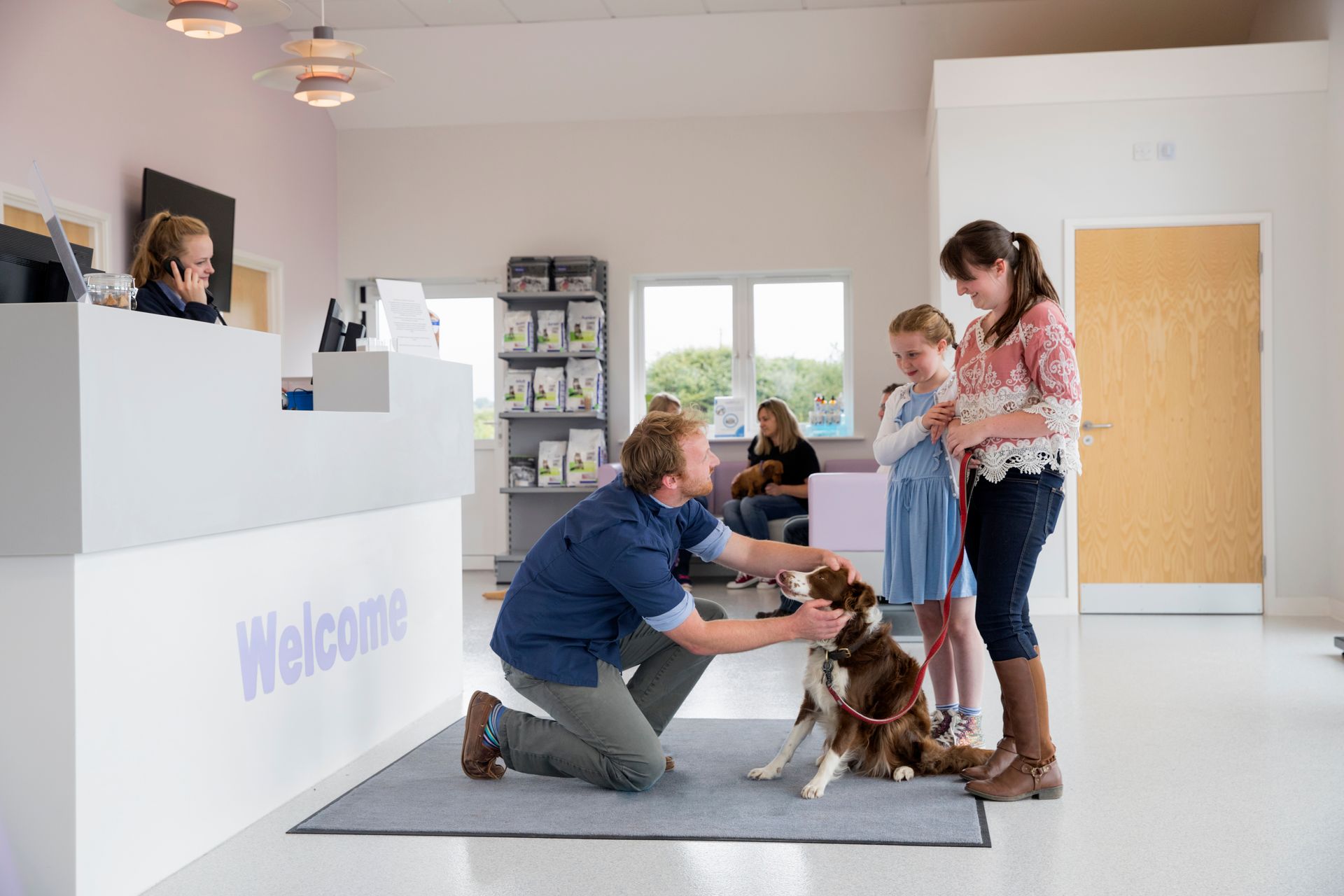
Extra protection
Commercial Umbrella
Adds liability limits above your primary policies for catastrophic claims that exceed standard coverage.
Coverage availability and terms vary by carrier and state. We recommend the right mix for your operation once we talk.
Industries we serve
Built for the businesses that care for animals.
General liability is the baseline for every segment we specialize in. Find the page built for your business.
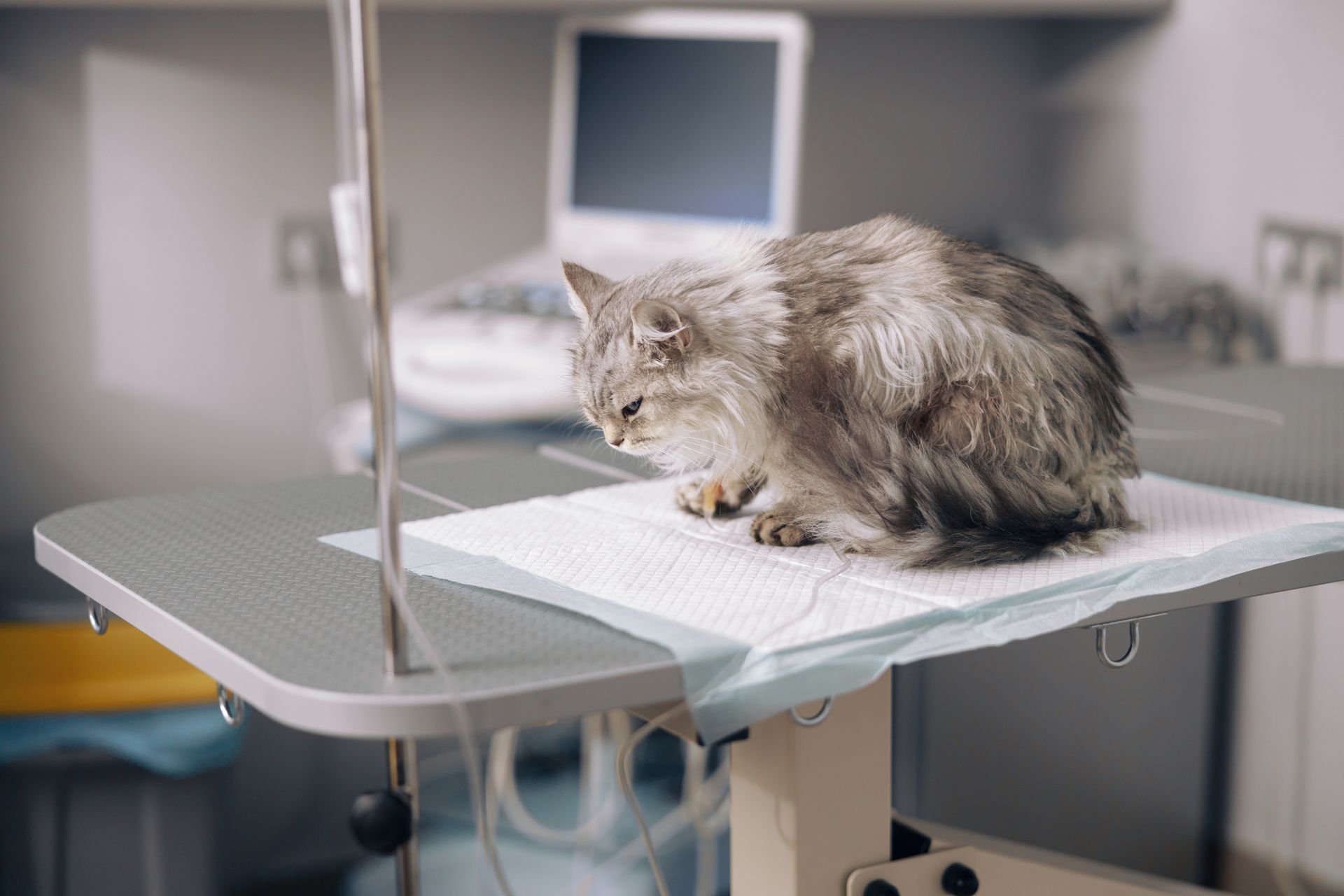
Clinical · high exposure
Veterinarians & Animal Hospitals
Professional and general liability, property, and workers’ comp for clinical operators with high exposure.
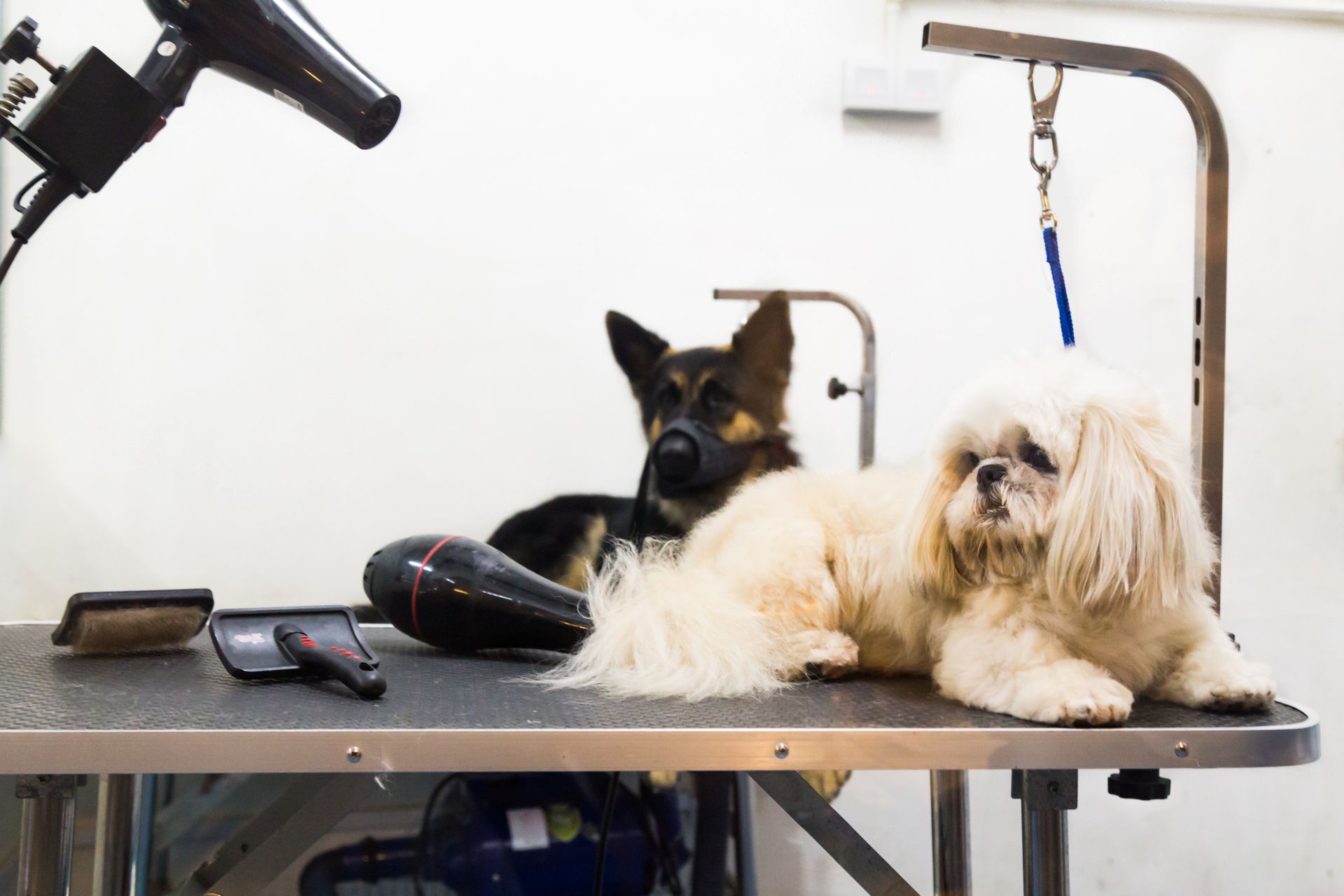
Hands-on · small business
Pet Groomers
Practical protection for animal handling, equipment, and the day-to-day of the grooming table, shop or mobile.

Safety-forward · overnight
Doggy Daycare & Boarding
Coverage matched to facilities responsible for animals overnight and all day long.
Our reviews
Trusted by pet professionals.
See what owners say about working with a specialist who already understands their business.
Frequently asked
Questions pet pros ask us.
What kinds of pet businesses do you insure?
We insure businesses across the animal-care industry — veterinarians and animal hospitals, groomers, doggy daycares and boarding facilities, kennels and trainers, pet sitters and dog walkers, and pet stores. We also cover breeders, equine operations, pet transporters, shelters and rescues, pet photographers, and aquariums or wildlife facilities.
If your work involves caring for, handling, or selling animals, there is a strong chance we cover it. Tell us what you do and we will confirm.
What is care, custody, and control coverage, and why does it matter?
Care, custody, and control coverage protects you when an animal in your charge is injured, becomes ill, or is lost while in your care. Standard general liability policies often exclude this exact exposure, which leaves a serious gap for pet businesses.
For groomers, boarders, sitters, and clinics, this is one of the most important coverages you can carry. We make sure it is in place and sized to your operation.
How is an independent agency different from buying direct from a carrier?
A direct carrier sells you its own single policy. As an independent agency, we shop multiple specialty insurers and compare programs to find the coverage that fits your business and budget.
That means you get options instead of one quote, and an advocate who works for you, not the carrier. We also handle the renewals and claims support over the life of your policy.
How fast can I get a quote?
Most clients get quoted within one business day. Our industry-specific intake forms collect the right details up front, so we can take your information straight to the carriers without a long back-and-forth.
Need it sooner? Call a specialist directly at (346) 738-7297 and we will move quickly.
Which states do you serve?
We are licensed and actively writing coverage in 12 states: Connecticut, Delaware, Georgia, Kentucky, Massachusetts, New Jersey, New York, North Carolina, Pennsylvania, South Carolina, Tennessee, and Virginia.
We continue to add states as we grow. If you operate outside this list, reach out and we will let you know our latest footprint.
From the blog
Coverage notes for pet professionals.
Plain-language risk tips and coverage explainers, written for owners — not insurance pros.
Speak with a specialist
Let's find the right coverage for your business.
No quote bots, no funnel. Talk to a real pet-insurance specialist who already understands your operation — and shops multiple markets on your behalf.
Call us
(346) 738-7297
Toll-free 845-250-5366
Email
service@petindustryins.com
Visit Us
8 Joyce Plaza
Stony Point, NY 10980