Coverage for veterinary practices
Kennel and Vet Clinic Equipment Breakdown Insurance
Core Protections Against Bodily Injury and Property Damage
Picture a July heat wave, a boarding facility at 90% capacity, and a compressor that quits at 2 a.m. Nobody planned for that night, but the animals in those runs are counting on the building to keep working. For kennel owners and veterinarians, equipment breakdown insurance covering HVAC, kennel systems, and imaging is one of the most overlooked lines on a commercial policy. It's also one of the most expensive to skip.
Most pet-care owners we talk to assume their property policy handles anything that breaks. It usually doesn't. The gap shows up at the worst possible moment: a digital X-ray sensor shorts out the week before a busy spay-and-neuter clinic, or a power surge fries the control board on an automated wash-down system. By the time the owner learns the claim isn't covered, the repair bill is already on the desk.
This guide walks through where the gaps are, what's worth insuring, and how to think about limits for a clinic or kennel. Insurance rules and contract language vary by state, so treat this as practical orientation rather than legal advice. A licensed agent or attorney can help you apply it to your specific situation.
Protecting the Critical Infrastructure of Animal Care Facilities
A grooming salon can close for a day if the dryer dies. A kennel or vet clinic often can't. Animals stay overnight, medications need refrigeration, and surgical suites depend on anesthesia machines, monitors, and climate control running together. Your mechanical and electrical systems work as life-support infrastructure, not background utilities.
Equipment breakdown coverage (sometimes still called boiler and machinery insurance) pays to repair or replace equipment damaged by sudden internal failures. Think electrical arcing, motor burnout, mechanical breakdown, or pressure system failure. It's a growing category for a reason: the global market was valued at $11.8 billion in 2025 and is projected to reach $21.4 billion by 2034, with North America holding the largest regional share.
For animal care facilities, the systems that matter most usually fall into three buckets:
- Climate systems: HVAC, air exchangers, dehumidifiers, boilers, and water heaters
- Kennel operations: automated feeders, waterers, wash-down and drainage pumps, sanitation equipment
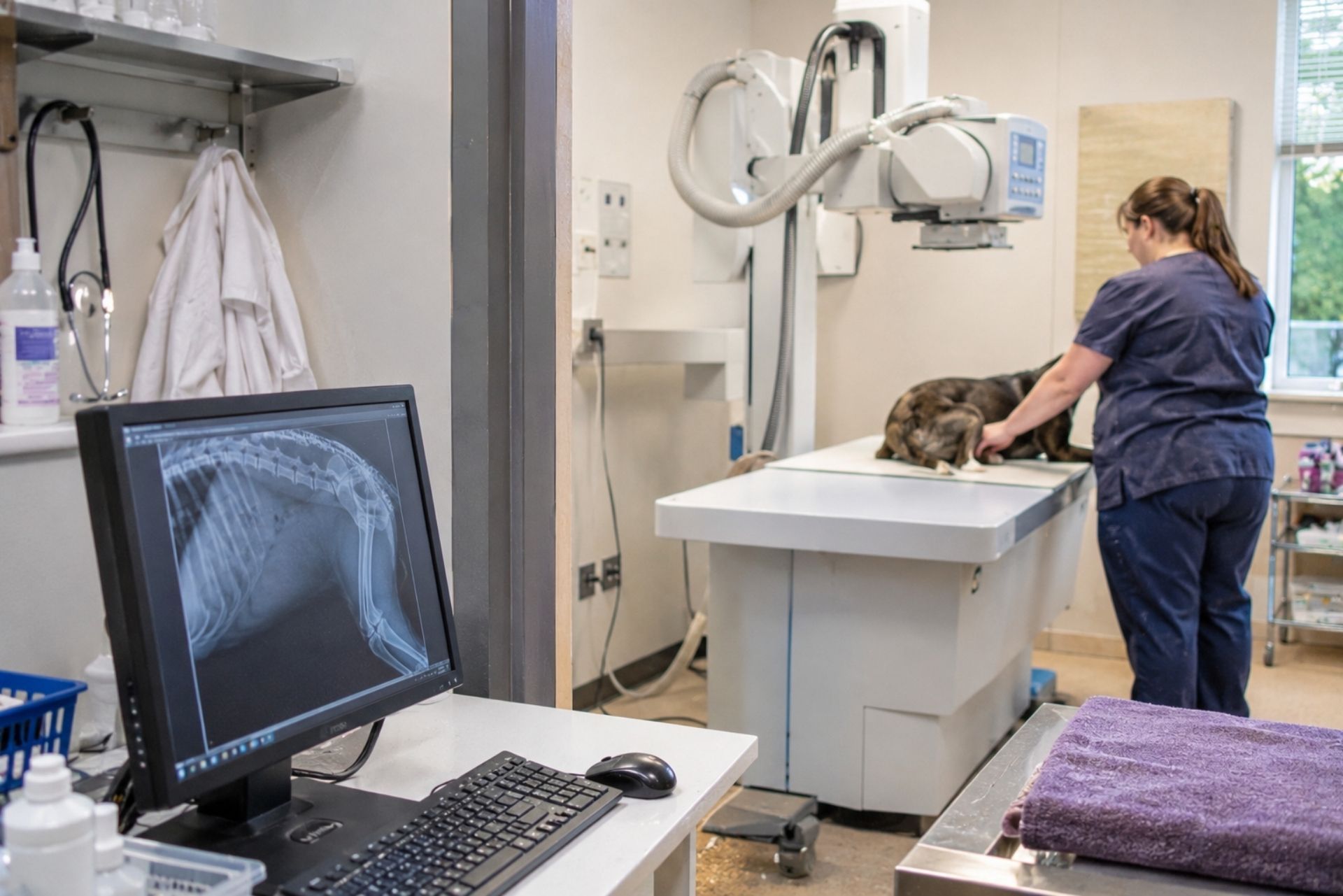
- Clinical equipment: digital radiography, ultrasound, CT and MRI units, anesthesia machines, autoclaves, lab analyzers
Why Standard Property Insurance Often Falls Short
Commercial property policies are built around external events: fire, wind, hail, theft, vandalism. If lightning strikes your building and starts a fire, you're in good shape. If your rooftop unit's compressor seizes on its own, most property forms exclude it under "mechanical breakdown" or "electrical disturbance" language.
That exclusion catches a lot of owners off guard. One of the most common claim denials we see involves power surges generated inside the building, such as a failing panel or a short in a piece of equipment, rather than from an outside lightning strike. The equipment is just as fried either way, but the cause decides whether you get paid.
The other common mistake is assuming a manufacturer's warranty or service contract fills the gap. Warranties typically cover defects for a limited window and exclude damage from power issues or operator conditions. Service contracts cover maintenance and some parts, but rarely the lost income while the machine sits idle.
Comparison: Property Coverage vs. Equipment Breakdown
| Situation | Standard Property | Equipment Breakdown |
|---|---|---|
| Fire destroys X-ray room | Covered | Not needed |
| Internal electrical arc kills X-ray generator | Usually excluded | Covered |
| HVAC compressor burns out | Usually excluded | Covered |
| Surge from faulty internal wiring | Often excluded | Covered |
| Spoiled vaccines after cooler failure | Limited or excluded | Covered (with spoilage endorsement) |
| Income lost during repair | Only for covered perils | Covered (if business income included) |
| Normal wear and tear | Excluded | Excluded |
Note that last row. Neither policy pays for gradual deterioration, so maintenance logs still matter.
High-Value Veterinary Assets: Imaging and Diagnostic Tools
Imaging is where the dollar amounts climb fast. Digital radiography panels, ultrasound probes, and in-house CT units are sensitive electronic equipment, and they fail in ways that are rarely dramatic. A detector stops communicating with the software. A tube head arcs internally. A board goes bad after a brownout.
Advanced imaging is spreading beyond referral hospitals, too. The veterinary MRI market is estimated at $274.4 million in 2026, growing at an 8.5% annual rate, driven by pet owners who expect human-level diagnostics. More general practices are financing equipment that once lived only at specialty centers.
There's a tax angle that changes the insurance math. Clinics can claim 100% bonus depreciation on new digital radiography and diagnostic systems for the 2026 tax year. That's a great incentive to buy, but a fully depreciated asset still costs full price to replace. Make sure your policy values equipment at replacement cost, not book value or actual cash value. Talk to your CPA about the tax side.
A few clinic-specific points to check on your policy:
- Lender requirements: financed imaging equipment often requires proof of coverage naming the lender
- Data restoration: some forms cover recovering patient images and records after an electronic failure
- Liability support: breakdown records can help show that an incident, such as an anesthesia machine failure, came from mechanical failure rather than technician error, which matters if a pet owner files a professional liability claim
Device regulation is shifting as well. The FDA moved to the Quality Management System Regulation for medical device inspections as of February 2, 2026. That rule is aimed at manufacturers, but it's a good reminder to keep vendor service records organized. Adjusters ask for them.
Climate Control and Specialized Kennel Systems
Boarding facilities live and die by their mechanical rooms. A clinic might reschedule a dental. A kennel with 60 dogs in residence has no such option when the air stops moving.
HVAC Failures and Animal Safety Risks
Brachycephalic breeds, senior dogs, and post-surgical patients can get into trouble quickly in a hot building. Ventilation also controls odor, humidity, and airborne disease spread, so a failed air exchanger becomes a health issue within hours, not days.
Cost is the other problem. Emergency HVAC repairs typically run about three times higher than planned maintenance, and after-hours calls in peak season carry premiums. Equipment breakdown coverage can pay for expediting costs: overtime labor, rush shipping on parts, and temporary portable cooling. That last item is easy to overlook and often the most important. Ask your agent whether temporary rental equipment is included and at what limit.
Automated Feeding and Waste Management Systems
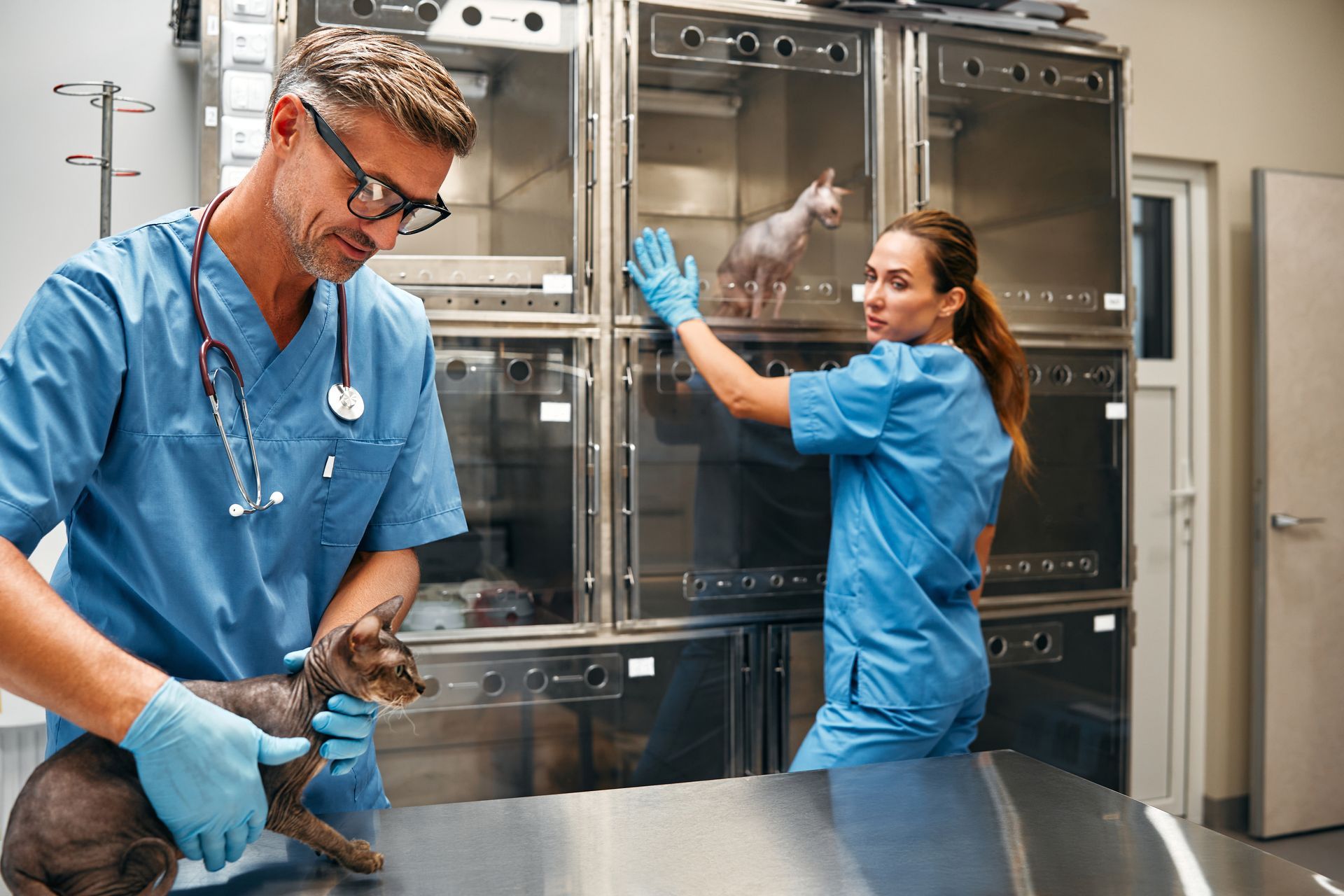
Larger kennels increasingly rely on automated waterers, trench drains with sump pumps, and pressurized wash-down systems. When a drainage pump fails, you're not just repairing a motor. You may be dealing with flooded runs, displaced animals, and sanitation work before you can reopen those spaces.
Check how your policy handles the resulting water damage. Equipment breakdown generally pays for the broken pump. Whether it pays for the mess the pump caused depends on the form. Owners also forget smaller equipment, such as commercial washers and dryers for bedding. Those machines run nearly nonstop in a boarding operation and fail more often than anyone budgets for.
Hidden Costs: Spoilage and Business Interruption
The repair bill is often the smaller number. What hurts is everything that stops while you wait.
Vaccine refrigerators and pharmacy coolers are the classic example. A failed compressor overnight can ruin thousands of dollars in biologics, insulin, and compounded medications. Spoilage coverage is usually an endorsement with its own sublimit, and many clinics carry a limit far below what's actually in their fridges. Count your inventory at its peak, not its average.
Business interruption is the bigger exposure. When the surgical suite's HVAC goes down, you lose revenue from cancelled procedures, plus the hidden cost of rescheduling: staff time on the phone, clients who go elsewhere, and a backlog that pushes into weeks. One insurance industry analysis put it bluntly: "The biggest culprit is time. Supply chains are still fragile, and when something breaks, it takes much longer to get parts." Every extra day of downtime costs more than it used to.
Here's what that means for you: look closely at the waiting period (often 12 to 24 hours) before income coverage begins, and at the length of the restoration period. A specialized imaging part sourced from overseas might take six weeks. Your coverage should assume that.
Common Questions About Kennel and Clinic Coverage
Is equipment breakdown coverage a separate policy? Usually not. It's most often added as an endorsement to a commercial property policy or business owner's policy, though larger facilities sometimes buy standalone coverage.
Does it cover equipment I lease? It can, if your lease makes you responsible for the equipment. Bring the lease agreement to your agent so the coverage matches the contract.
Will it pay if my equipment just wears out? No. Gradual wear, rust, and lack of maintenance are excluded. Coverage responds to sudden, accidental breakdowns.
What does it cost for a small kennel? Pricing depends on building size, equipment values, and location, so there's no reliable flat number. For many small operations it's a modest add-on compared with the property premium itself.
Do I need it if I rent my building? Possibly. Check your lease to see who owns and maintains the HVAC. Tenants often own their kennel systems and clinical equipment even when the landlord owns the building.
Does it cover cyber or software failures? Generally not on its own. Some forms include data restoration after a physical breakdown, but hacking and ransomware need cyber insurance.
Making the Right Choice for Your Practice
The facilities that weather a breakdown well aren't necessarily the ones with the newest equipment. They're the ones that listed every critical system, valued it at replacement cost, and confirmed spoilage and income limits before anything broke. Start with a walk-through of your mechanical room, surgical suite, and pharmacy, and write down what would shut you down if it failed tomorrow.
From there, compare that list against your current policy language. Look for mechanical breakdown exclusions, spoilage sublimits, waiting periods, and how expediting costs are handled. If the wording isn't clear, ask for it in writing. Contract interpretation varies by state, so involve an attorney if you're reviewing a lease or a disputed claim.
Index
Pet Professional Insurance Agency is fully licensed and permitted to provide commercial insurance solutions for pet businesses across 12 states.
We proudly serve pet professionals throughout the Northeast, Mid-Atlantic, and Southeast. Powered by Joyce Insurance Agency, our team works with leading specialty carriers — including The Hartford, USLI, Nautilus, and Northland — to make sure veterinarians, groomers, boarding facilities, and pet-care businesses receive coverage that fits their real risks in Connecticut, Delaware, Georgia, Kentucky, Massachusetts, New Jersey, New York, North Carolina, Pennsylvania, South Carolina, Tennessee, and Virginia.
About the author
Barnaby Joyce
Founder, Pet Professional Insurance Agency · Licensed Insurance Producer
I started Pet Professional Insurance Agency because I watched pet businesses get handed generic policies that never fit. After years of placing coverage for veterinary practices, grooming salons, doggy daycares, and kennels through a generalist agency, I saw the same gaps over and over — and the same blank stares when an owner tried to explain care, custody, and control to an agent who had never insured an animal in their life.
So I built an agency that does one thing. I work directly with specialty carriers who actually want pet-industry risk, and I sit down with every client personally. You will not get a call center or a chatbot. You will get someone who already speaks your language and shops the market on your behalf. That is the whole idea.
Related coverages
Coverages that pair with general liability.
Most pet businesses build on general liability with the lines below. Explore each — every page cross-links to the
industries we serve.
Services & advice
Professional Liability / E&O
Covers claims tied to your professional services and advice — clinical care, training guidance, and the judgment calls you make daily.
The pet-industry gap
Care, Custody & Control
Covers the animals in your charge against injury, illness, or loss — the critical exposure standard liability policies leave out.
Bundled & cost-effective
Business Owners Policy (BOP)
Bundles property and general liability into one package built for small to mid-sized pet businesses — often the simplest base.
Your building & contents
Commercial Property
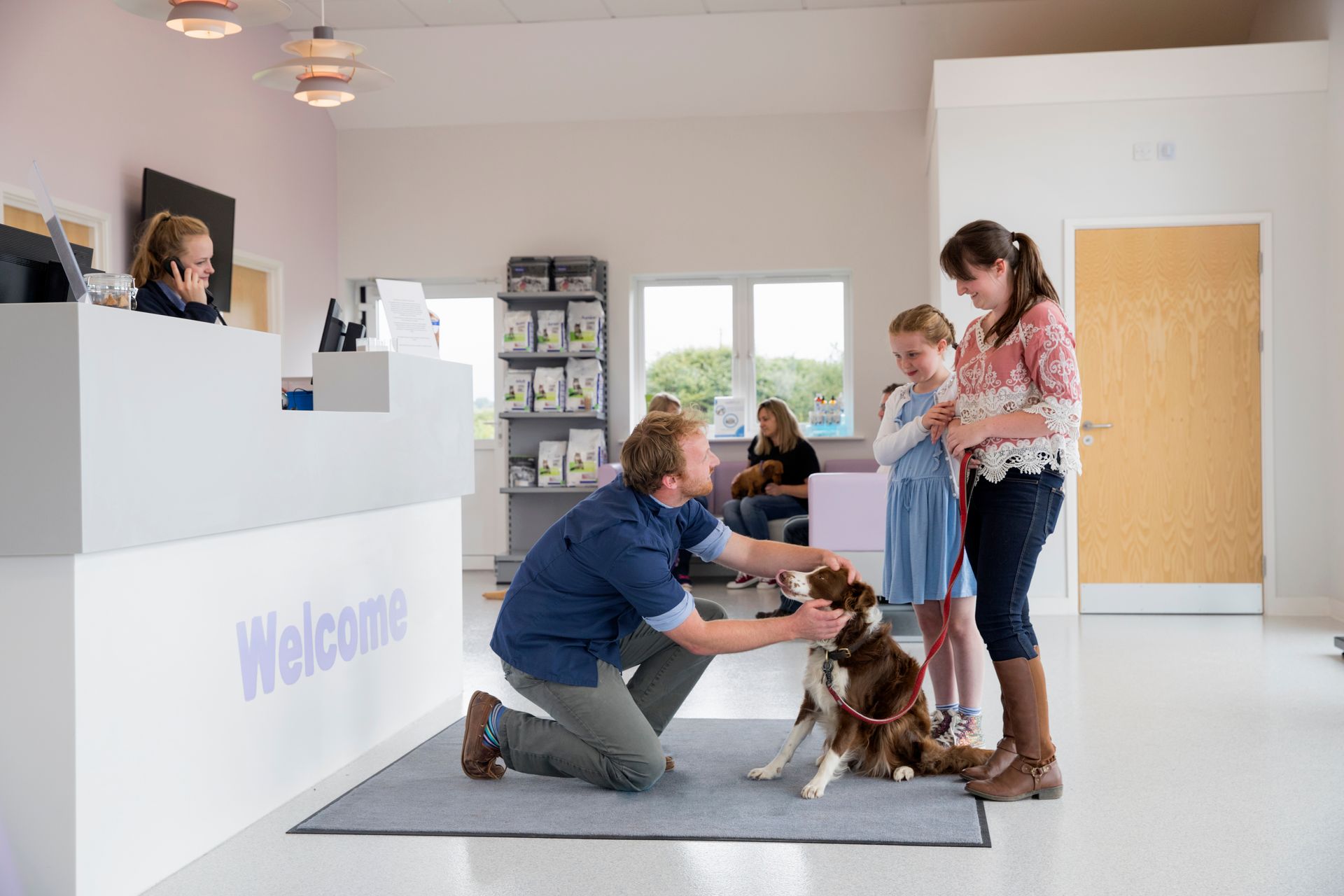
Protects your building, build-out, equipment, and inventory against fire, theft, and covered losses — front desk to back room.
For your team
Workers’ Compensation
Covers medical costs and lost wages when a team member is hurt on the job — required in most states once you have employees.
Extra protection
Commercial Umbrella
Adds liability limits above your primary policies for catastrophic claims that exceed standard coverage.
Coverage availability and terms vary by carrier and state. We recommend the right mix for your operation once we talk.
Industries we serve
Built for the businesses that care for animals.
General liability is the baseline for every segment we specialize in. Find the page built for your business.
Clinical · high exposure
Veterinarians & Animal Hospitals
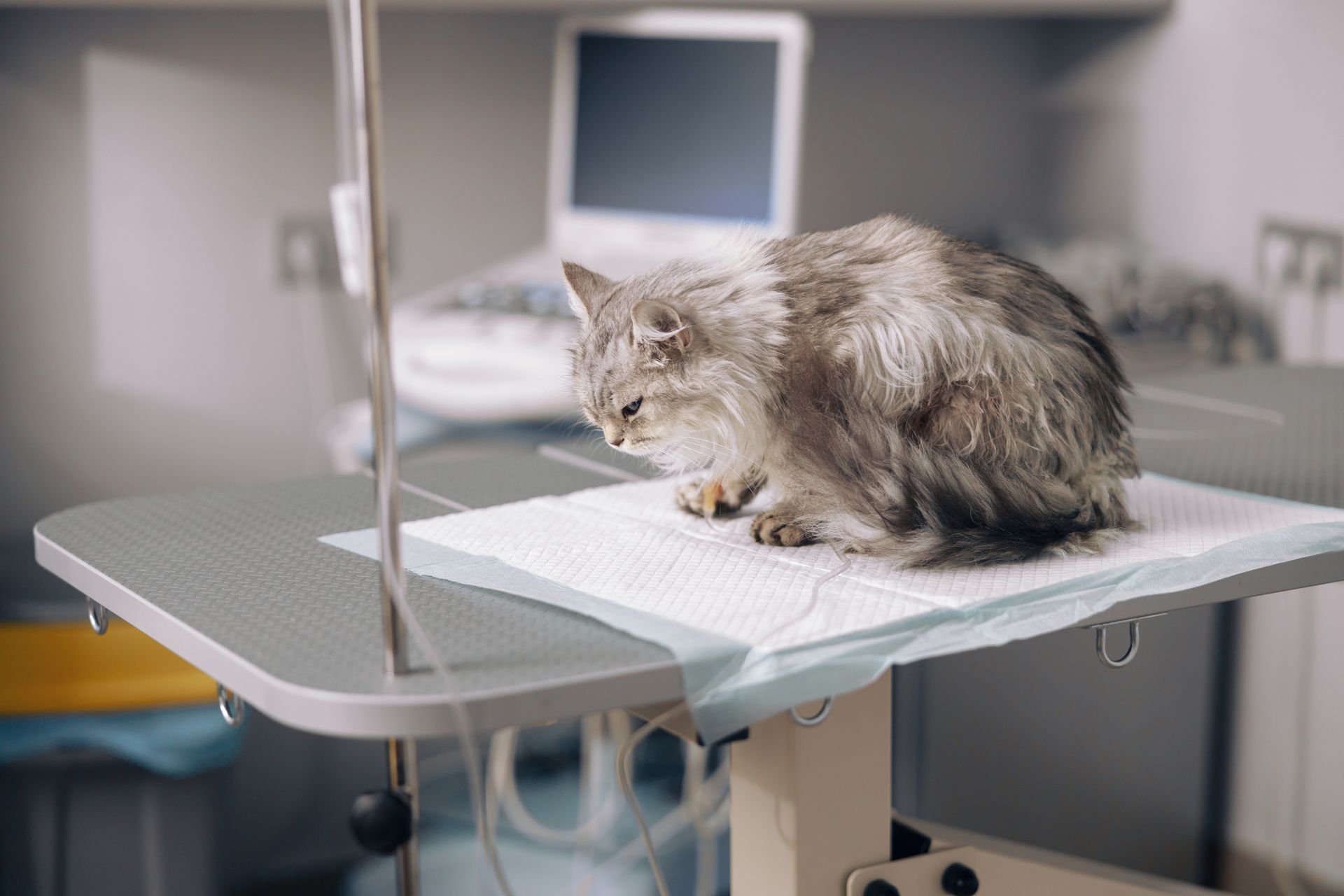
Professional and general liability, property, and workers’ comp for clinical operators with high exposure.
Hands-on · small business
Pet Groomers
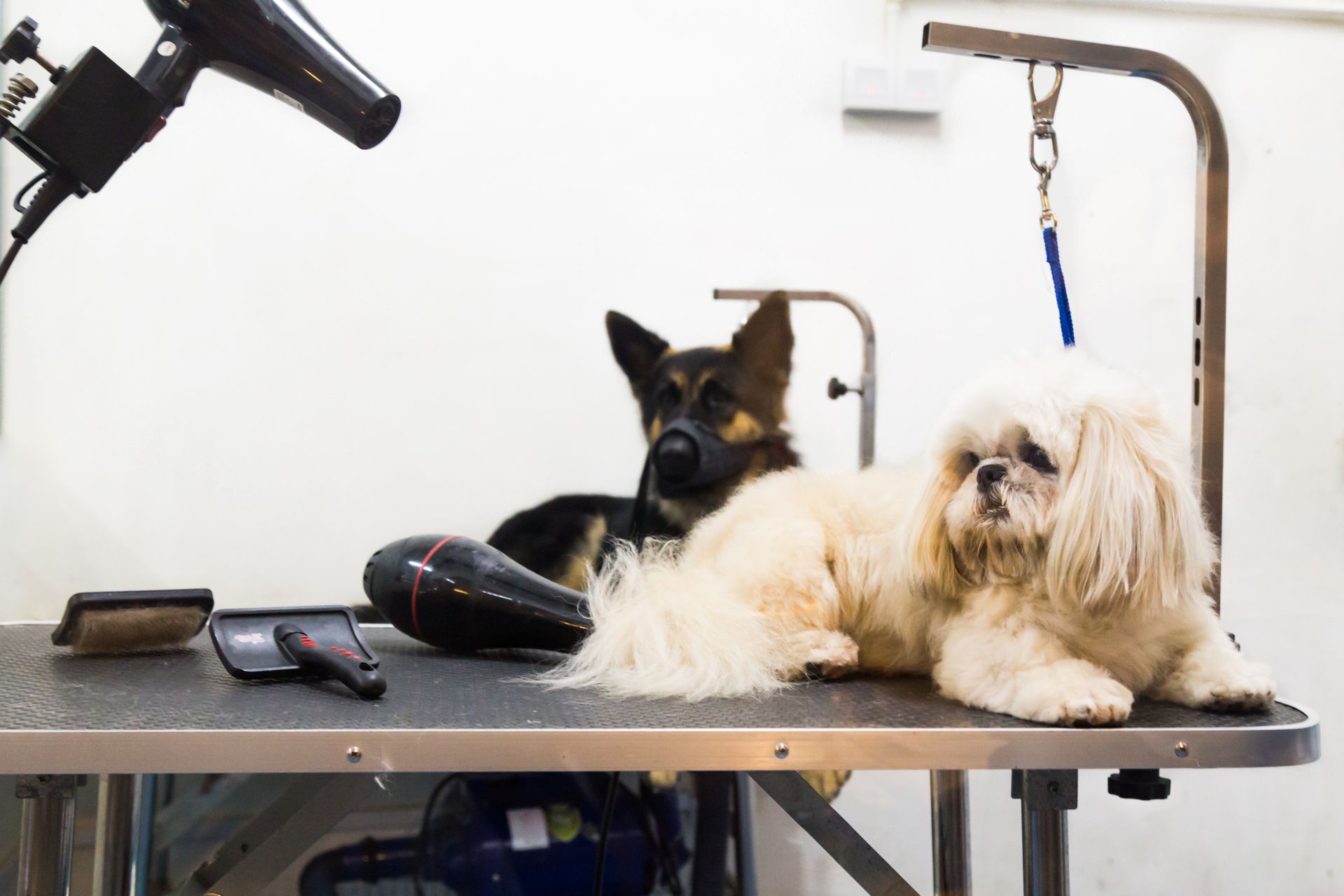
Practical protection for animal handling, equipment, and the day-to-day of the grooming table, shop or mobile.

Safety-forward · overnight
Doggy Daycare & Boarding
Coverage matched to facilities responsible for animals overnight and all day long.
Our reviews
Trusted by pet professionals.
See what owners say about working with a specialist who already understands their business.
Frequently asked
Questions pet pros ask us.
What kinds of pet businesses do you insure?
We insure businesses across the animal-care industry — veterinarians and animal hospitals, groomers, doggy daycares and boarding facilities, kennels and trainers, pet sitters and dog walkers, and pet stores. We also cover breeders, equine operations, pet transporters, shelters and rescues, pet photographers, and aquariums or wildlife facilities.
If your work involves caring for, handling, or selling animals, there is a strong chance we cover it. Tell us what you do and we will confirm.
What is care, custody, and control coverage, and why does it matter?
Care, custody, and control coverage protects you when an animal in your charge is injured, becomes ill, or is lost while in your care. Standard general liability policies often exclude this exact exposure, which leaves a serious gap for pet businesses.
For groomers, boarders, sitters, and clinics, this is one of the most important coverages you can carry. We make sure it is in place and sized to your operation.
How is an independent agency different from buying direct from a carrier?
A direct carrier sells you its own single policy. As an independent agency, we shop multiple specialty insurers and compare programs to find the coverage that fits your business and budget.
That means you get options instead of one quote, and an advocate who works for you, not the carrier. We also handle the renewals and claims support over the life of your policy.
How fast can I get a quote?
Most clients get quoted within one business day. Our industry-specific intake forms collect the right details up front, so we can take your information straight to the carriers without a long back-and-forth.
Need it sooner? Call a specialist directly at (346) 738-7297 and we will move quickly.
Which states do you serve?
We are licensed and actively writing coverage in 12 states: Connecticut, Delaware, Georgia, Kentucky, Massachusetts, New Jersey, New York, North Carolina, Pennsylvania, South Carolina, Tennessee, and Virginia.
We continue to add states as we grow. If you operate outside this list, reach out and we will let you know our latest footprint.
From the blog
Coverage notes for pet professionals.
Plain-language risk tips and coverage explainers, written for owners — not insurance pros.
Speak with a specialist
Let's find the right coverage for your business.
No quote bots, no funnel. Talk to a real pet-insurance specialist who already understands your operation — and shops multiple markets on your behalf.
Call us
(346) 738-7297
Toll-free 845-250-5366
Email
service@petindustryins.com
Visit Us
8 Joyce Plaza
Stony Point, NY 10980