Coverage for veterinary practices
Dog Bar and Indoor Dog Park Insurance
Core Protections Against Bodily Injury and Property Damage
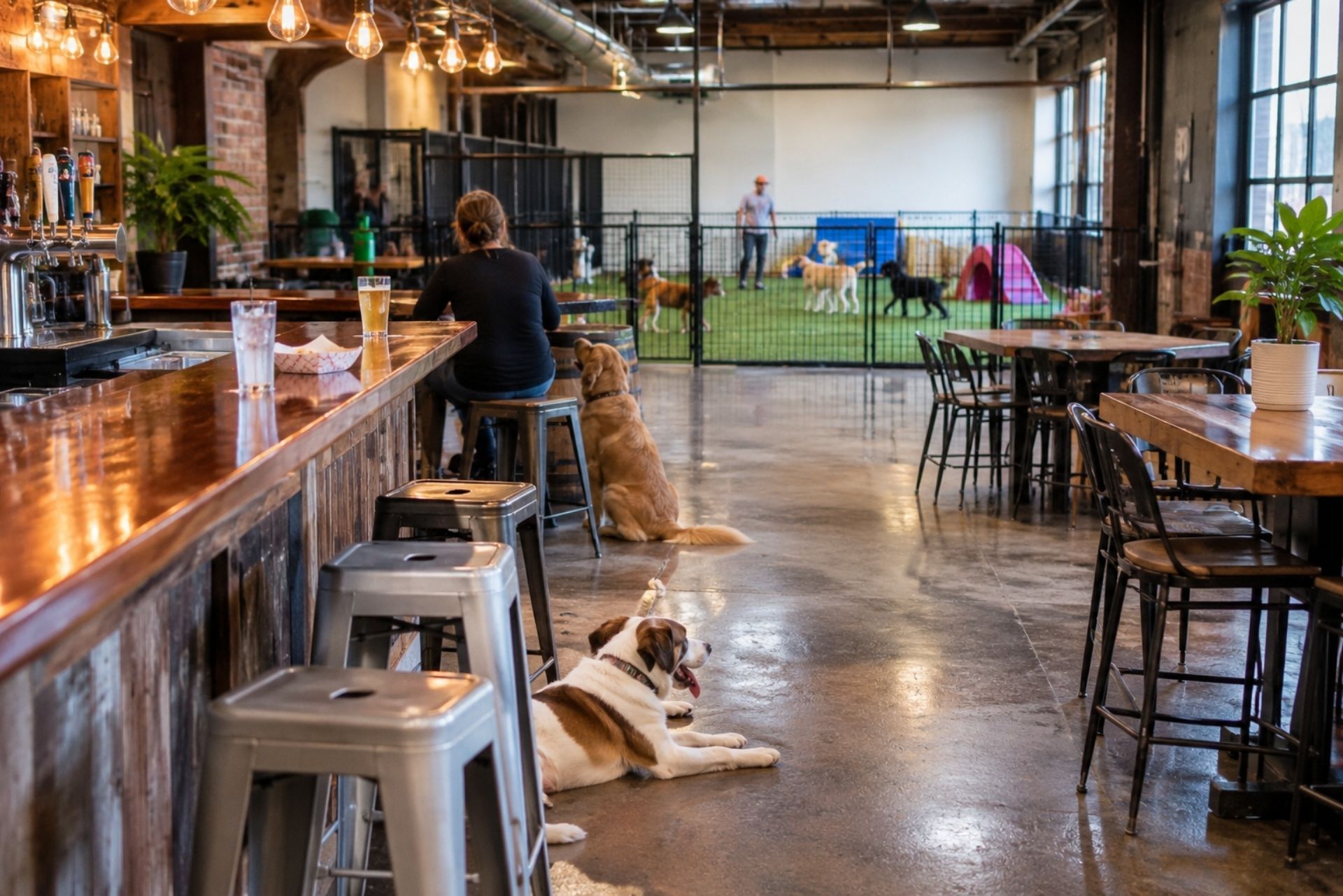
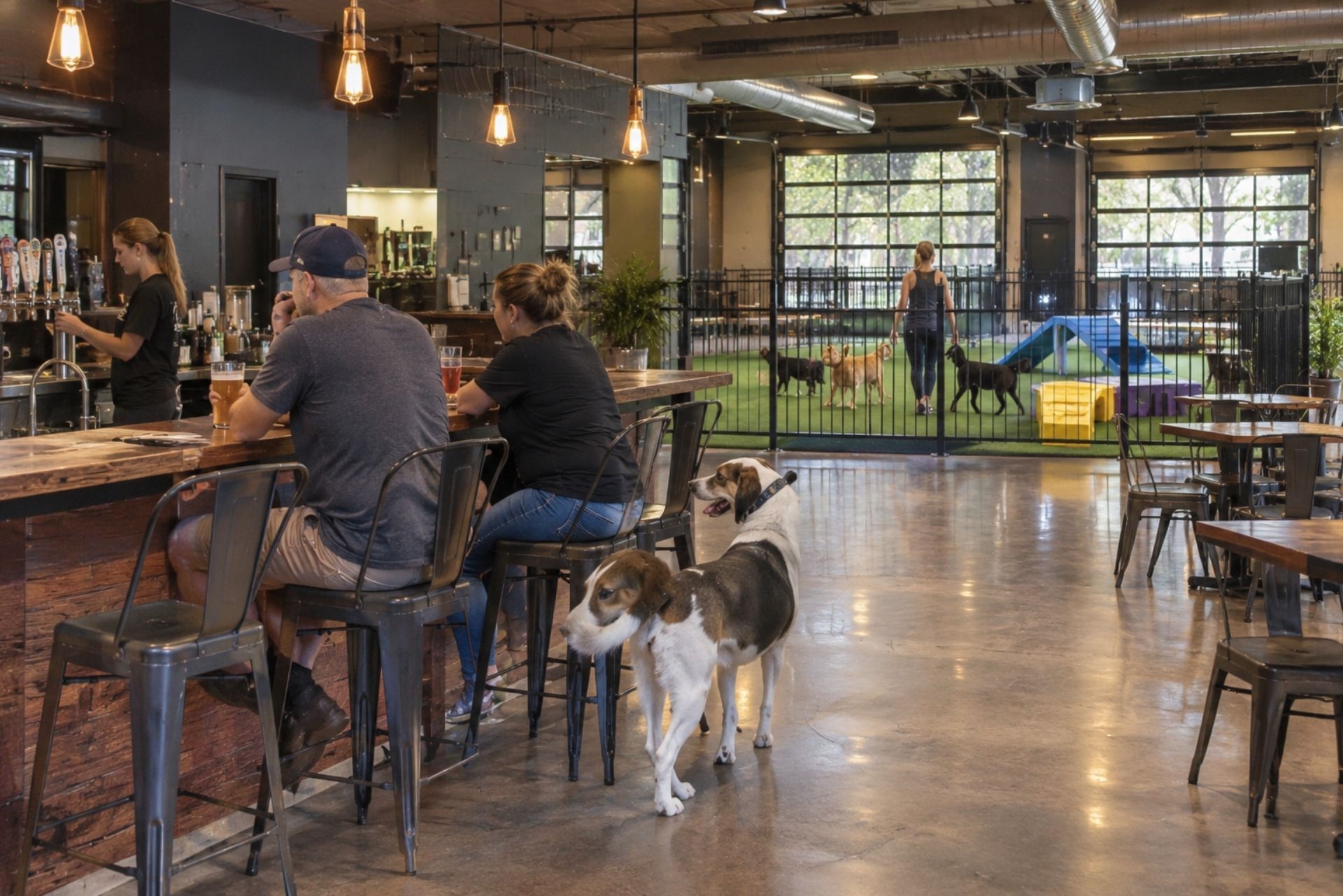
Picture a Saturday afternoon at a dog bar: forty dogs racing across rubber flooring, a bartender pouring IPAs, and a guest who has had three of them stepping into the play area to break up a scuffle between two Labs. Within ninety seconds, you could have a bitten patron, an injured dog, and a question about whether alcohol played a role. That single scene touches three separate lines of insurance.
Dog bars and indoor dog parks are among the fastest-growing concepts in the pet industry, and they're also among the hardest to insure correctly. Most commercial policies are built for either a bar or an animal facility. Very few are designed for a business that is both at once.
This guide to dog bar and indoor dog park insurance explains how the coverages fit together, where the gaps usually show up, and what to ask before you sign anything. The goal is simple. When that Saturday incident happens, and eventually it will, your policies should respond the way you expected them to.
The Unique Risk Profile of Dog Bars and Indoor Parks
A traditional bar worries about slip-and-falls, fights, and over-served patrons. A doggy daycare worries about bites, dog-on-dog injuries, and illness spreading through a playgroup. A dog bar carries all of those risks at the same time, often in the same room, with the added problem that the dogs belong to the paying customers who are also drinking.
That overlap changes how claims unfold. A bite at a daycare usually involves a staff member and a dog in the facility's care. At a dog bar, the bite might involve a guest's own dog biting another guest, with your staff supervising from across the room. Who had control of that dog becomes the central legal question.
Courts are paying attention to that question. In June 2026, the Supreme Court of Ohio held that property owners are not strictly liable as "harborers" unless they actually shelter, protect, or exercise control over the dog. That sounds like good news for operators, but read it carefully: an off-leash park where your staff actively manage play may look a lot like "exercising control." The same opinion framed control as a high bar for dog park operators who actively supervise play, which cuts both ways depending on how your attendants behave.
Other states are moving in a different direction. New York's highest court now allows common law negligence claims for bites even when the owner had no prior knowledge of the dog's vicious tendencies. Laws vary widely by state, so talk with a local attorney about how your jurisdiction treats animal liability before you write your house rules.
General Liability: The Foundation of Canine Business Protection
General liability (GL) is the policy every landlord, lender, and event partner will ask to see. It covers claims from third parties who are hurt or whose property is damaged because of your business operations. For a dog bar, it's the starting point, not the finish line.
The cost pressure behind this coverage is real. Insurers paid $1.86 billion in dog-related injury claims in 2025, an 18.6% jump over the prior year, across more than 28,450 claims. Underwriters see those numbers and price any business with off-leash dogs accordingly. Expect detailed questions about your square footage, dog-to-attendant ratio, and incident history.
Managing Third-Party Bodily Injury and Property Damage
The typical GL claims we see at dog-friendly venues fall into a few predictable buckets:
- Bites to patrons: A guest reaches down to pet an unfamiliar dog and gets bitten on the hand or face. Facial bites on children produce some of the largest settlements.
- Knockdown injuries: A 90-pound dog at full sprint takes out a guest's knees. These claims often outnumber bites.
- Slip-and-falls: Water bowls, spilled beer, and accidents on the floor all create hazards.
- Damaged personal property: Torn clothing, chewed purses, or a phone knocked onto concrete.
One detail many owners miss: some GL policies carry an animal exclusion or a sublimit for bites. Read the exclusions page before assuming bites are covered at the full policy limit.
Animal Bailee Coverage for Supervised Play Areas
Here's the gap that catches most new operators. Standard commercial general liability policies typically exclude property in your "care, custody, or control," and dogs are legally property. If a guest's dog is injured by another dog while your staff supervise the play area, your GL policy may deny the vet bill entirely.
Animal bailee coverage (sometimes called care, custody, and control coverage) fills that hole. It pays for injury, illness, or death of animals in your care, up to a per-animal and aggregate limit. Check whether your setup counts as "care" at all. If owners must stay in the park with their dogs, some insurers argue the dogs were never in your custody, so get clarity in writing.
Liquor Liability: Navigating Alcohol Service and Unpredictable Pets
Liquor liability covers claims arising from injuries caused by an intoxicated person you served. At a regular bar, that usually means a drunk driving crash or a fight. At a dog bar, add a new scenario: an intoxicated guest who fails to control their dog, or who wades into a dogfight and gets mauled.
This is the hardest part of your insurance program to place right now. Property premiums for hospitality venues have softened by 15% to 25% in favorable geographies as of late 2026, but casualty and liquor liability remain a challenged market because of high jury awards. Standard carriers are also pulling back from hospitality accounts where alcohol makes up roughly 25% to 30% or more of total revenue.
That revenue split matters for your business model. A park that charges membership fees and sells a few beers looks very different to an underwriter than a taproom that happens to allow dogs. Track your alcohol sales as a percentage of revenue and be ready to document it, because it may decide which specialty markets will even consider your application.
Some states also set minimum liquor coverage requirements. South Carolina's Act 42, effective January 1, 2026, lets bars reduce mandatory liquor liability coverage to $300,000 if they adopt mitigation steps such as ending alcohol service by midnight and requiring server training. Check your own state's rules with an attorney or licensing office, since requirements differ significantly.
Host Liquor vs. Commercial Liquor Liability
Many GL policies include "host liquor" coverage, which protects businesses that serve alcohol incidentally, like a law firm's holiday party. It does not apply if you sell, serve, or furnish alcohol as part of your business. If you hold a liquor license and charge for drinks, you need a standalone commercial liquor liability policy.
The confusion usually hits operators who don't sell alcohol directly. Maybe you host a monthly "Yappy Hour" with free beer from a brewery partner, or you allow BYOB. Depending on your state and how the event is structured, you may still have exposure that host liquor won't fully cover. Ask your agent to review every event format you run, not just your daily operations.
Professional Liability for Dog Behavior and Training Services
The moment your staff make a judgment call about a dog, you're in professional liability territory. Temperament evaluations, playgroup assignments, and behavior corrections are all professional services. If an attendant clears a dog for off-leash play and that dog injures another, the claim may allege that your evaluation was negligent.
General liability covers bodily injury and property damage. Professional liability (also called errors and omissions) covers financial harm from mistakes in the services you provide. Sometimes a claim involves both, and sometimes it falls squarely into the professional side, which GL will exclude.
Here are the situations where professional coverage tends to matter most at dog bars:
- A dog fails to pass your temperament test, and the owner claims you defamed their dog or caused them to lose a training investment.
- You offer group training classes or puppy socialization nights, and a technique you taught leads to an injury at home.
- A staff member misreads early stress signals and a fight breaks out, leading to claims that your supervision fell below industry standards.
- You advertise "certified" or "trained" attendants, and a guest argues that promise wasn't kept.
If you bring in outside trainers for events, confirm they carry their own professional liability and name your business as an additional insured. Don't assume their coverage extends to your venue. A one-page certificate request takes minutes and can save you from absorbing someone else's claim.
Comparing Coverage Needs: Basic vs. Comprehensive Plans
Not every dog-friendly venue needs the same program. A small indoor park with no alcohol and owner-supervised play can get by with less than a full-service bar with daycare add-ons. The table below shows how needs typically scale.
| Coverage | Basic Plan | Comprehensive Plan |
|---|---|---|
| General liability | Included, may have bite sublimit | Full limits, no animal exclusion |
| Animal bailee | Often missing | Included with per-dog limits |
| Liquor liability | Host liquor only | Standalone commercial policy |
| Professional liability | Not included | Covers evaluations and training |
| Property | Building contents only | Includes flooring, equipment, tenant improvements |
| Business interruption | Rarely included | Covers lost income during closures |
| Umbrella | None | Extra limits over GL and liquor |
| Best fit for | Small, dry, owner-supervised parks | Full bars with staff-run play areas |
The basic column looks appealing on price, but it leaves the two most common dog bar claims, injured dogs and alcohol-related incidents, either partially covered or not covered at all. For most operators selling drinks with staff in the play yard, the comprehensive approach is the realistic minimum.
Umbrella coverage deserves a closer look than most owners give it. With jury awards driving up liquor and casualty claims, a $1 million primary limit can disappear quickly in a serious injury case. Confirm that your umbrella actually sits over your liquor policy, since some exclude it.
Essential Property Insurance for Indoor Facilities
Property insurance protects your physical assets: the building if you own it, improvements if you lease, and everything inside. Indoor dog parks often have more invested in buildout than owners realize until they add it up.
Think about drainage systems, ventilation upgrades to handle odor, commercial-grade kitchens, bar equipment, POS systems, and security cameras. Leased spaces carry a particular trap. Tenant improvements you paid for are often your responsibility to insure, not your landlord's, so read your lease and match your property limits to it.
The softer property market works in your favor here. With hospitality property premiums easing in many areas, this is a reasonable time to review your valuations and make sure you're insured to replacement cost rather than depreciated value.
Protecting Expensive Flooring and Agility Equipment
Specialized flooring is one of the biggest line items in an indoor park. Artificial turf systems designed for dogs, antimicrobial rubber, and sealed epoxy can run into serious money per square foot. A burst pipe or sewage backup can ruin them overnight.
Check two details. First, standard property forms often exclude water backup and sewer overflow unless you add an endorsement, and that's exactly the kind of loss a facility hosed down daily might suffer. Second, gradual wear from dog urine and claws generally isn't covered, so budget for replacement as a maintenance cost. Agility ramps, tunnels, and play structures should be scheduled on your policy if they're valuable or move between locations for events.
Business Interruption for Unexpected Closures
If a fire, storm, or covered water loss shuts you down for six weeks, business interruption coverage replaces lost income and pays ongoing expenses like rent and payroll. For membership-based parks, it can also help you avoid refunding or freezing memberships.
One limit to understand: business interruption usually requires direct physical damage to trigger. A closure ordered because of a disease outbreak, like canine influenza moving through your guest dogs, typically won't qualify. Ask about communicable disease endorsements, which some specialty markets offer for animal facilities.
Common Questions About Dog Bar Insurance
Do I need liquor liability if I only sell beer and wine? Yes. Any sale of alcohol under a license typically requires commercial liquor liability, regardless of the type of drink.
Will my general liability cover a dog biting another dog? Usually not. Injuries to animals in your care fall under animal bailee coverage, which standard GL policies exclude.
What if the guest's dog bites someone? Isn't that the owner's problem? The dog owner can be liable, but injured people often sue the venue too. Depending on your state and how much control your staff exercised, your business may share responsibility.
How much does dog bar and indoor dog park insurance cost? Pricing depends on your alcohol revenue share, square footage, dog capacity, location, and claims history. A specialist can give you real numbers after reviewing your operation.
Can I add coverage for special events like Yappy Hours or adoption days? Usually, yes. Tell your agent about every event type ahead of time, especially if you bring in vendors, rescues, or outside alcohol.
Do my employees need workers' compensation? In most states, yes, once you have employees. Staff who break up dogfights and handle large dogs face real injury risk, so this coverage matters for you and them.
Mitigating Risk Through Smart Operational Standards
Insurance pays claims, but operations prevent them. Underwriters reward operators who can show documented safety practices, and in a tough liquor market, those practices can be the difference between getting coverage and getting declined.
The highest-impact standards we see in well-run venues:
- Separate drinking and play zones. Keep glassware and alcohol out of the off-leash area. Some operators require guests to finish drinks at the rail before entering the yard.
- Trained play attendants on duty at all times. Aim for a clear dog-to-staff ratio and stick to it during busy hours.
- Size separation. A small dog area cuts down on serious injuries dramatically.
- Server training and service cutoffs. Responsible alcohol service programs reduce liquor claims and, in states like South Carolina, can affect your required limits.
- Incident reports for everything. Write up even minor scuffles with photos, witness names, and the dogs involved. Undocumented incidents are hard to defend later.
- Clear signage. Post rules on leashes, toys, food, and children in the play area.
Watch local health and sanitation rules too. New Jersey is considering legislation that would set specific standards for dogs in outdoor dining areas, and similar rules could affect how you separate food service from dogs. Check your city and state codes before opening or expanding.
Waivers, Vaccination Records, and Temperament Tests
These three documents form your front-door defense. A well-drafted waiver, written by an attorney licensed in your state, establishes that guests understand the risks of off-leash play. It won't protect you from your own gross negligence, and enforceability varies by state, but it narrows many claims.
Vaccination records should be verified, not just collected. Require proof of rabies, distemper, and parvovirus at a minimum, plus bordetella and canine influenza if your vet advisor recommends them. Set up expiration alerts so lapsed dogs get flagged at check-in.
Temperament testing is where your professional judgment shows up. Use a written evaluation process, train staff consistently, and keep records of every assessment. If a dog later causes an injury, a documented evaluation shows you took reasonable care, which matters in states that now allow negligence claims without proof of prior aggression.
Making the Right Choice for Your Venue
A dog bar mixes two risk categories that most insurers prefer to keep apart, and that's exactly why off-the-shelf policies tend to fail you. The coverage you need starts with general liability, adds animal bailee for the dogs in your care, layers on commercial liquor liability for alcohol service, and fills the remaining gaps with professional liability, property, and an umbrella sized for today's jury awards.
The details decide whether a claim gets paid: bite sublimits, care-custody-control exclusions, host liquor limitations, and water backup endorsements. Read them before you need them, and have an attorney review your waivers and house rules against your state's laws.
Index
Pet Professional Insurance Agency is fully licensed and permitted to provide commercial insurance solutions for pet businesses across 12 states.
We proudly serve pet professionals throughout the Northeast, Mid-Atlantic, and Southeast. Powered by Joyce Insurance Agency, our team works with leading specialty carriers — including The Hartford, USLI, Nautilus, and Northland — to make sure veterinarians, groomers, boarding facilities, and pet-care businesses receive coverage that fits their real risks in Connecticut, Delaware, Georgia, Kentucky, Massachusetts, New Jersey, New York, North Carolina, Pennsylvania, South Carolina, Tennessee, and Virginia.
About the author
Barnaby Joyce
Founder, Pet Professional Insurance Agency · Licensed Insurance Producer
I started Pet Professional Insurance Agency because I watched pet businesses get handed generic policies that never fit. After years of placing coverage for veterinary practices, grooming salons, doggy daycares, and kennels through a generalist agency, I saw the same gaps over and over — and the same blank stares when an owner tried to explain care, custody, and control to an agent who had never insured an animal in their life.
So I built an agency that does one thing. I work directly with specialty carriers who actually want pet-industry risk, and I sit down with every client personally. You will not get a call center or a chatbot. You will get someone who already speaks your language and shops the market on your behalf. That is the whole idea.
Related coverages
Coverages that pair with general liability.
Most pet businesses build on general liability with the lines below. Explore each — every page cross-links to the
industries we serve.
Services & advice
Professional Liability / E&O
Covers claims tied to your professional services and advice — clinical care, training guidance, and the judgment calls you make daily.
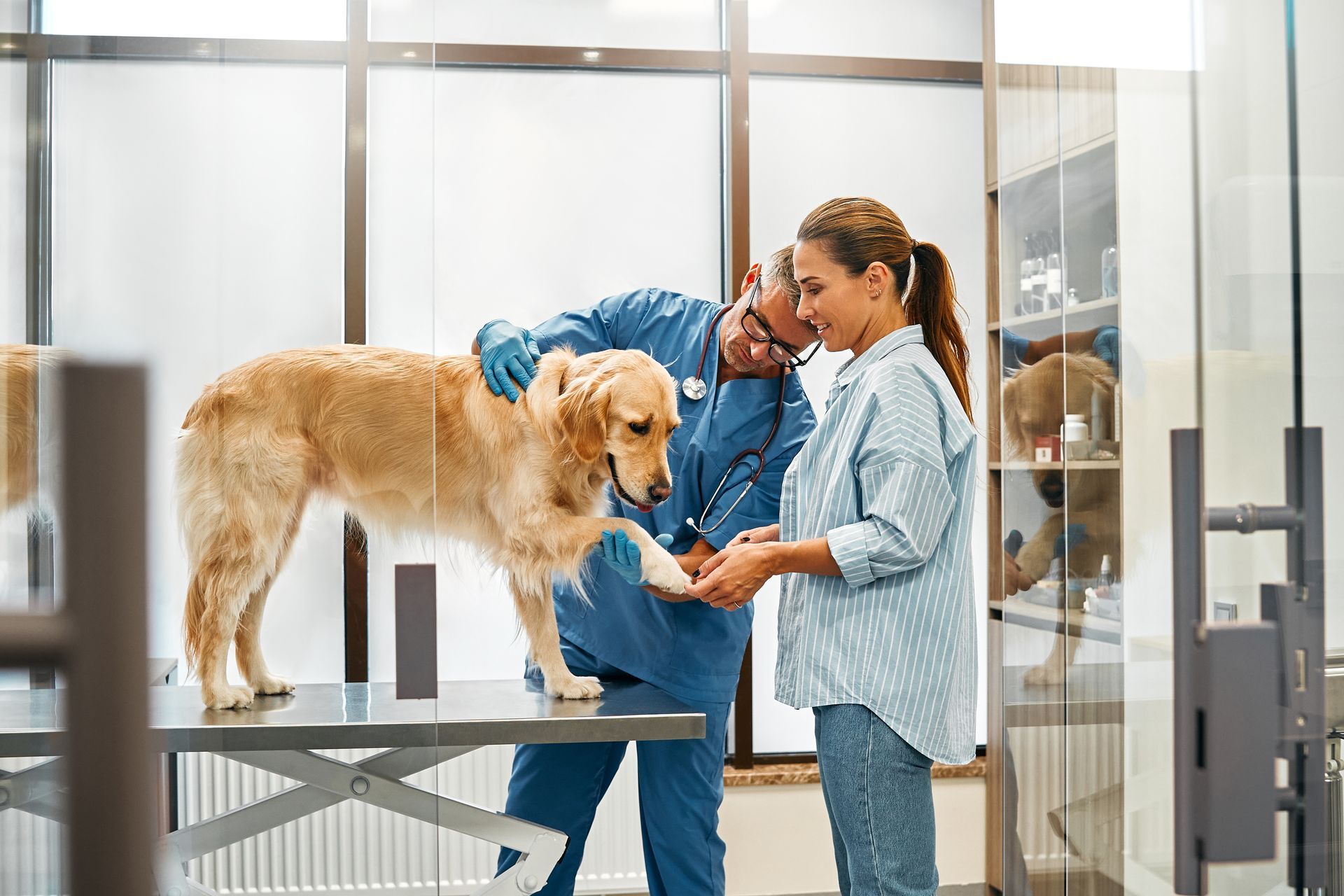
The pet-industry gap
Care, Custody & Control
Covers the animals in your charge against injury, illness, or loss — the critical exposure standard liability policies leave out.
Bundled & cost-effective
Business Owners Policy (BOP)
Bundles property and general liability into one package built for small to mid-sized pet businesses — often the simplest base.
Your building & contents
Commercial Property
Protects your building, build-out, equipment, and inventory against fire, theft, and covered losses — front desk to back room.
For your team
Workers’ Compensation
Covers medical costs and lost wages when a team member is hurt on the job — required in most states once you have employees.
Extra protection
Commercial Umbrella
Adds liability limits above your primary policies for catastrophic claims that exceed standard coverage.
Coverage availability and terms vary by carrier and state. We recommend the right mix for your operation once we talk.
Industries we serve
Built for the businesses that care for animals.
General liability is the baseline for every segment we specialize in. Find the page built for your business.
Clinical · high exposure
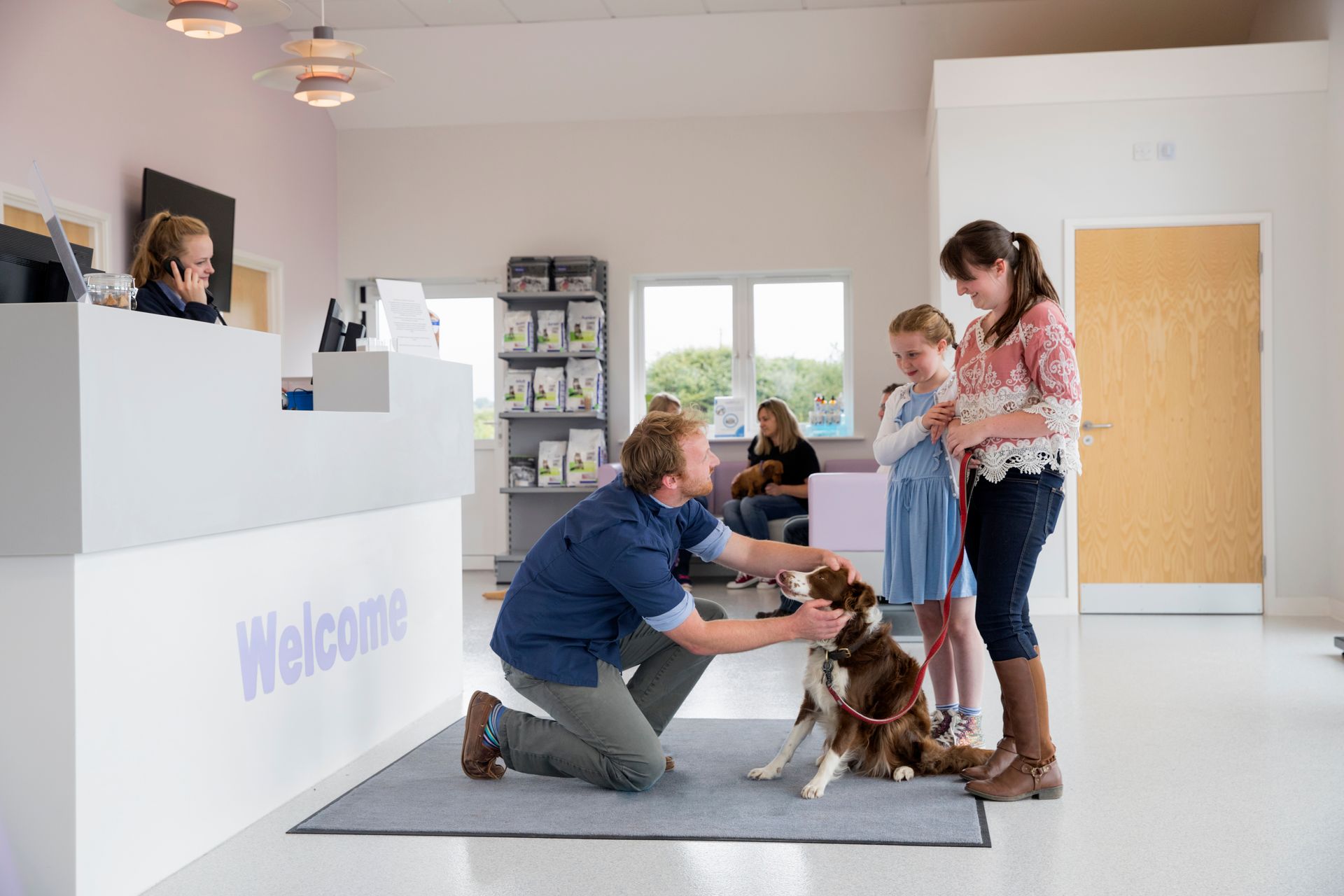
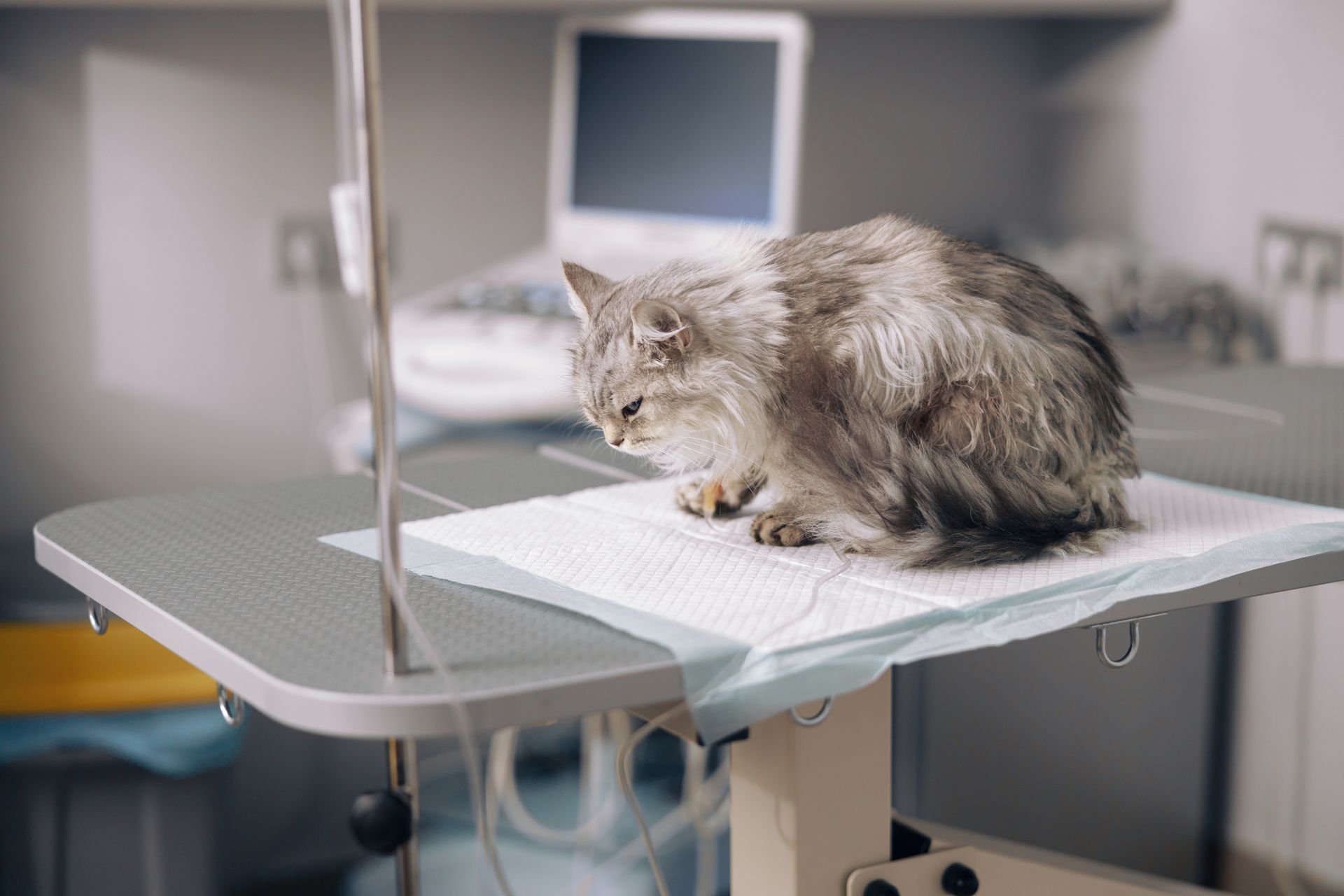
Veterinarians & Animal Hospitals
Professional and general liability, property, and workers’ comp for clinical operators with high exposure.
Hands-on · small business
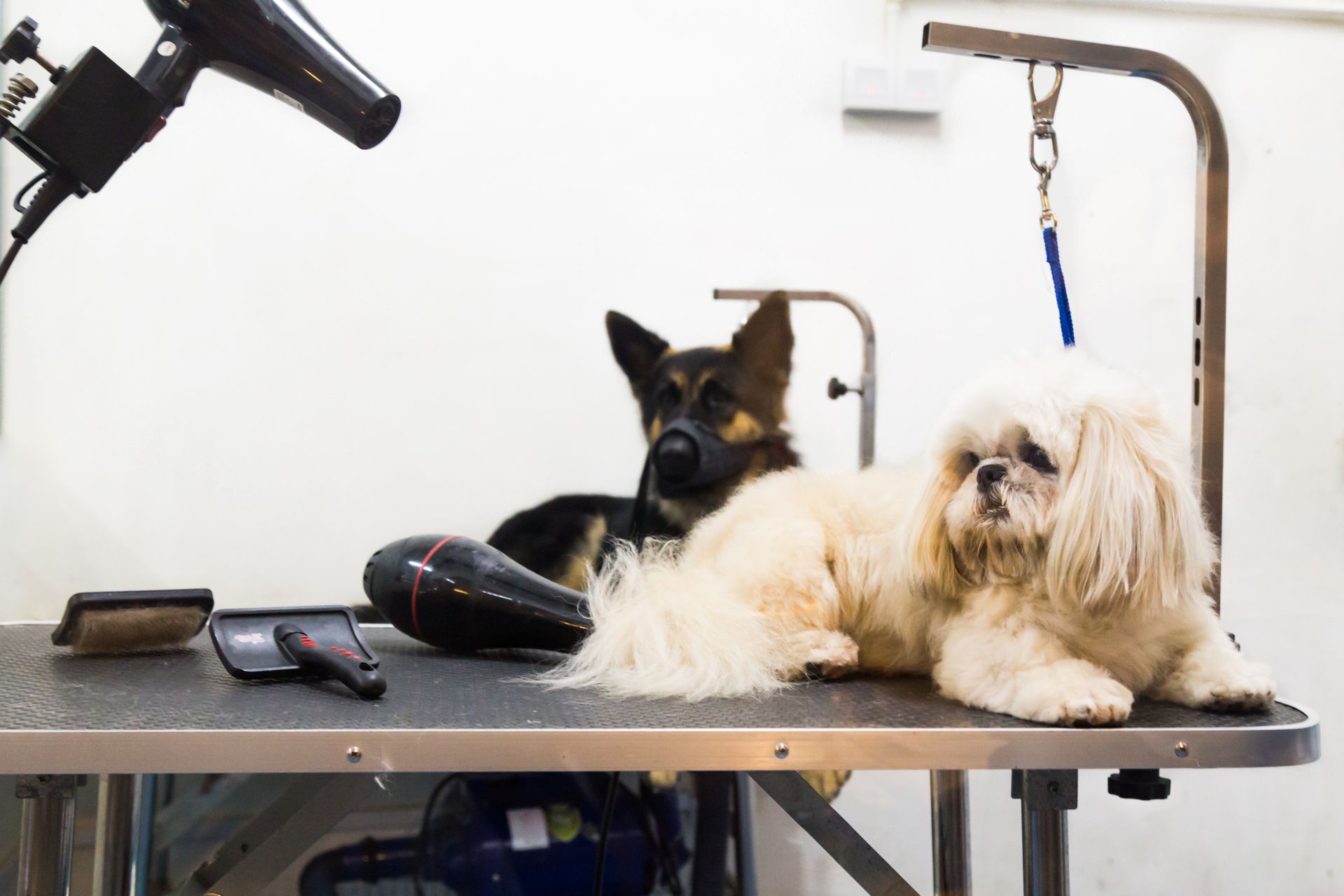
Pet Groomers
Practical protection for animal handling, equipment, and the day-to-day of the grooming table, shop or mobile.
Safety-forward · overnight
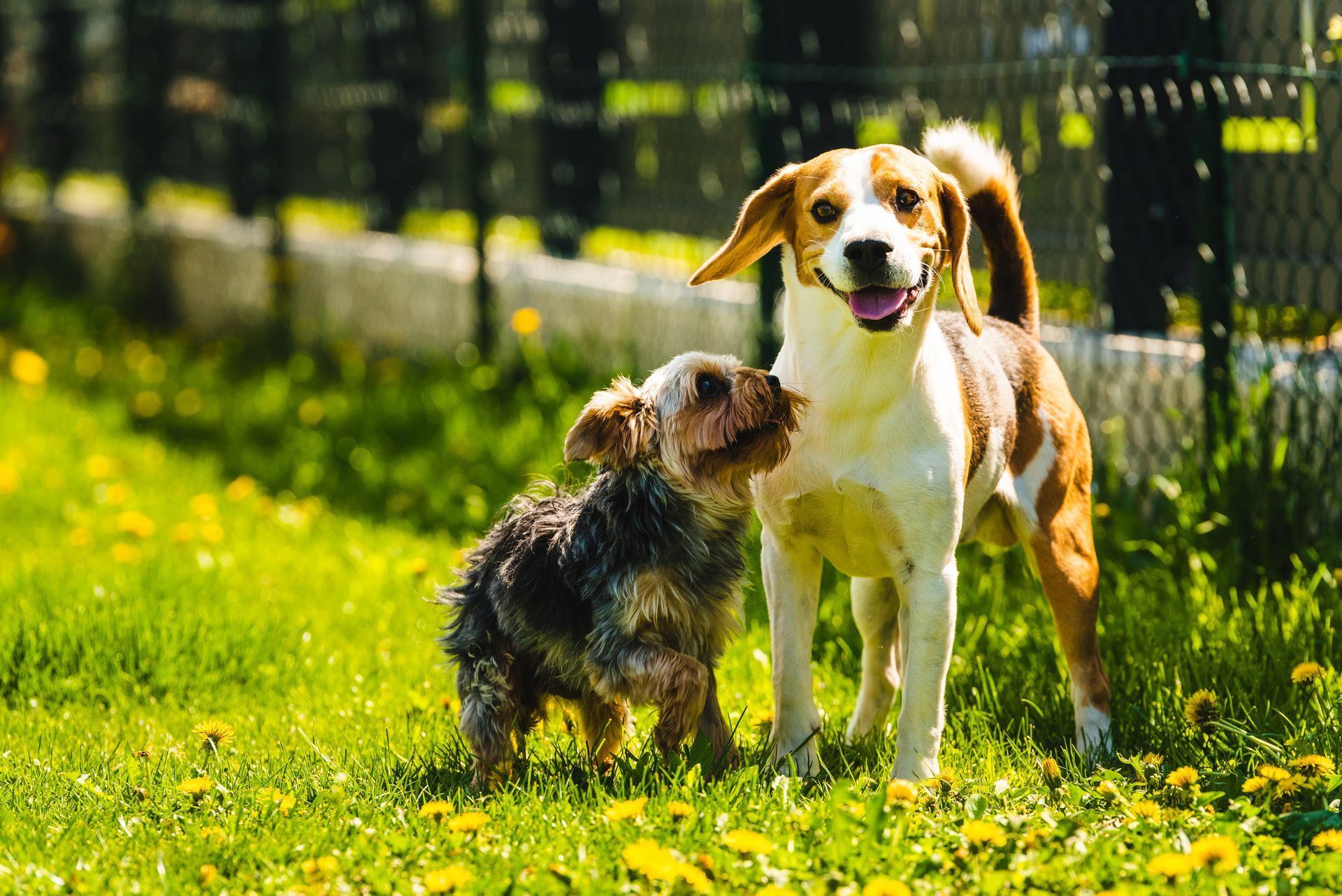
Doggy Daycare & Boarding
Coverage matched to facilities responsible for animals overnight and all day long.
Our reviews
Trusted by pet professionals.
See what owners say about working with a specialist who already understands their business.
Frequently asked
Questions pet pros ask us.
What kinds of pet businesses do you insure?
We insure businesses across the animal-care industry — veterinarians and animal hospitals, groomers, doggy daycares and boarding facilities, kennels and trainers, pet sitters and dog walkers, and pet stores. We also cover breeders, equine operations, pet transporters, shelters and rescues, pet photographers, and aquariums or wildlife facilities.
If your work involves caring for, handling, or selling animals, there is a strong chance we cover it. Tell us what you do and we will confirm.
What is care, custody, and control coverage, and why does it matter?
Care, custody, and control coverage protects you when an animal in your charge is injured, becomes ill, or is lost while in your care. Standard general liability policies often exclude this exact exposure, which leaves a serious gap for pet businesses.
For groomers, boarders, sitters, and clinics, this is one of the most important coverages you can carry. We make sure it is in place and sized to your operation.
How is an independent agency different from buying direct from a carrier?
A direct carrier sells you its own single policy. As an independent agency, we shop multiple specialty insurers and compare programs to find the coverage that fits your business and budget.
That means you get options instead of one quote, and an advocate who works for you, not the carrier. We also handle the renewals and claims support over the life of your policy.
How fast can I get a quote?
Most clients get quoted within one business day. Our industry-specific intake forms collect the right details up front, so we can take your information straight to the carriers without a long back-and-forth.
Need it sooner? Call a specialist directly at (346) 738-7297 and we will move quickly.
Which states do you serve?
We are licensed and actively writing coverage in 12 states: Connecticut, Delaware, Georgia, Kentucky, Massachusetts, New Jersey, New York, North Carolina, Pennsylvania, South Carolina, Tennessee, and Virginia.
We continue to add states as we grow. If you operate outside this list, reach out and we will let you know our latest footprint.
From the blog
Coverage notes for pet professionals.
Plain-language risk tips and coverage explainers, written for owners — not insurance pros.
Speak with a specialist
Let's find the right coverage for your business.
No quote bots, no funnel. Talk to a real pet-insurance specialist who already understands your operation — and shops multiple markets on your behalf.
Call us
(346) 738-7297
Toll-free 845-250-5366
Email
service@petindustryins.com
Visit Us
8 Joyce Plaza
Stony Point, NY 10980